Axi Lets Retail Traders Bet On OpenAI And Anthropic Prices
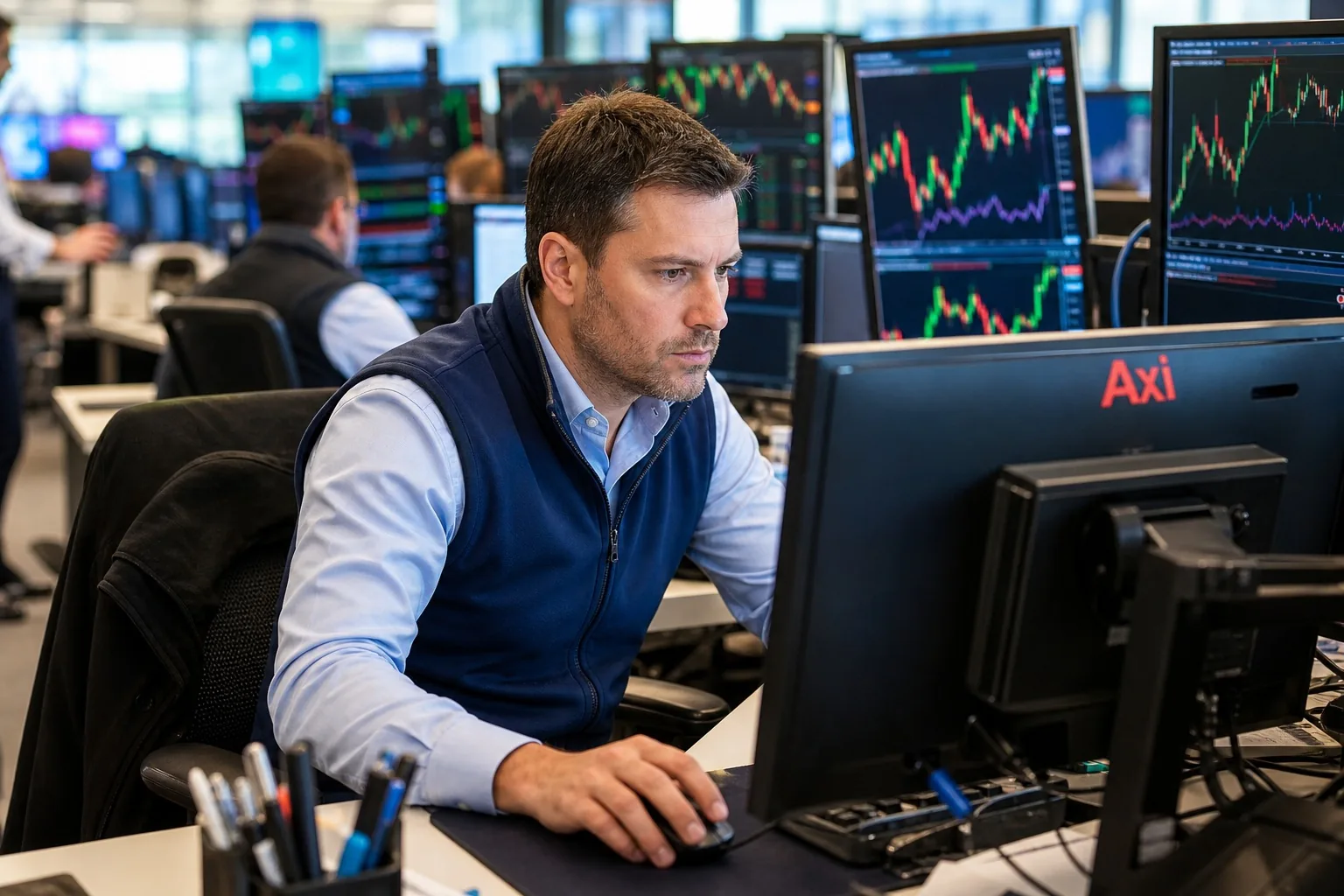
Broker Axi said on Friday it opened pre-IPO products tied to OpenAI and Anthropic, letting retail traders bet on price moves without owning real shares or shareholder rights.
Key Takeaways
- Axi opened pre-IPO trading products tied to OpenAI and Anthropic on its platform
- The contracts give traders synthetic exposure without owning actual equity or shareholder rights
- Axi did not disclose contract sizing, pricing mechanics or liquidity sources
- Brokers must map private valuations, secondary indications or internal pricing models into tradeable instruments, which can widen spreads
Axi said on Friday that it had opened the products on its platform and described them as pre-IPO trading opportunities tied to OpenAI and Anthropic. The broker did not disclose contract sizing, pricing mechanics or liquidity sources, according to the announcement.
Anthropic already filed for an IPO on Oct. 26, 2026, seeking a Nasdaq listing under the ticker ANT, Axi said. OpenAI is also studying a possible IPO over the longer term.
Pre-IPO OpenAI access on a retail broker usually means synthetic exposure, often through contracts for difference or internal reference pricing, not a legal claim on company stock. Traders can win or lose on price movements while staying outside the cap table.
Pre-IPO OpenAI And Anthropic Is A Synthetic Bet
Axi is an online foreign exchange and CFD broker.
In that structure, the customer and broker settle the difference between an opening and closing price instead of transferring the underlying asset.
For private companies, that creates a wrapper with no continuous public market for OpenAI or Anthropic shares. A broker must therefore map private valuations, secondary indications or internal pricing models into a tradeable instrument.
That can widen spreads and make price discovery harder than in listed stocks.
From Private Rounds To Retail Demand
The new contracts build on a broader retail scramble for private AI exposure. OpenAI and Anthropic have drawn strong market attention before reaching public markets.
That gap creates demand for stand-ins.
Some investors chase venture funds. Others buy suppliers or cloud names.
Axi’s product takes the most direct route by letting traders speculate on a reference value for the private company itself, even though no common shares change hands.
Also Read: Anthropic Guest Post Says AI Can Speed Scientific Model Work
The Risk Sits In The Wrapper
The biggest risk is not only whether OpenAI or Anthropic becomes more valuable. It is whether the contract price fairly tracks any real secondary market.
If the broker is the main pricing venue for a retail user, slippage and spread costs can matter more than the headline thesis.
There is also event risk. A funding round, tender offer or governance change can reset private valuations in chunks instead of the minute-by-minute pattern equity traders expect.
That makes mark-to-market swings on a synthetic contract harder to interpret.
What Traders Should Watch Next
If pre-IPO OpenAI and Anthropic contracts draw volume, other brokers will likely copy them. Key facts to watch are margin terms, overnight financing charges and how often the reference price updates.
Those details decide whether the product behaves like a genuine valuation proxy or an expensive short-term punt.
For the AI market, the product shows how far private lab branding has traveled into retail finance. OpenAI and Anthropic have become tradeable narratives before they have become public companies.
With Axi’s pre-IPO OpenAI product, the buyer is not purchasing stock in OpenAI.
The trader is entering a derivative with Axi. If the broker’s reference price rises, the trader can profit.
If it falls, the trader takes the loss.
That matters for retail users because shareholder rights do not come with the contract. There is no vote, no transfer record and no guaranteed link to a future IPO allocation.
The position is only as good as the broker’s pricing method and its ability to honor gains and losses.
The same issue applies to Anthropic. Private-company prices move in large steps around funding rounds, employee sales or tender offers.
A synthetic instrument tries to smooth that into a live market. For active traders, that creates access.
For long-term investors, it creates tracking risk. Before these products spread, traders should watch whether brokers publish their valuation inputs and how those inputs change after the next financing event.
Read Next: OpenAI Launches BioBasicsBench As GPT-6 Astra Hits 66.7%