One Task Can Take Hundreds Of AI Calls, So Here’s When An Agent Is Actually Worth It
AI agents can plan, use tools, and remember context, but they add cost and risk. Here is when agents beat single-call models and when they do not.

Explainers that start from zero. How AI systems actually work, from inference costs and context windows to agents and training runs, written for readers who want the mechanism rather than the marketing.
AI agents can plan, use tools, and remember context, but they add cost and risk. Here is when agents beat single-call models and when they do not.

AI agent benchmarks from OpenAI and Anthropic reveal why tool-use and task-completion scores often overstate real-world reliability.
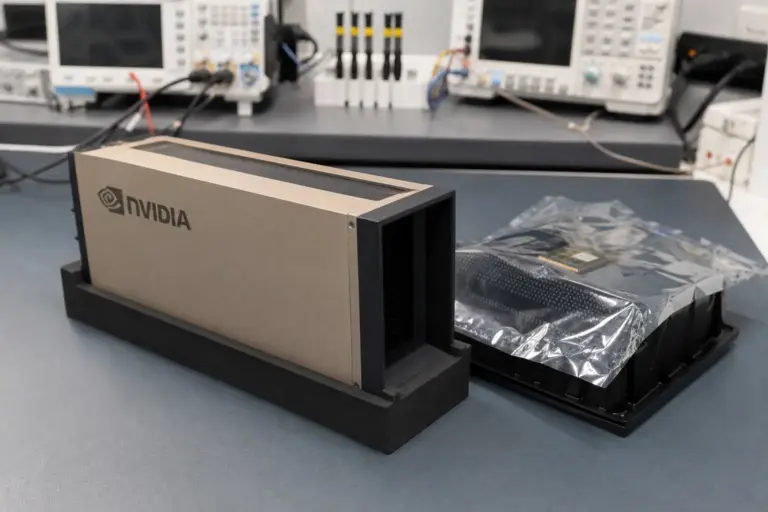
How US export controls decide which Nvidia and AMD AI chips can be sold to which countries, from licensing thresholds to entity lists and compute density c…

AI inference chips now drive more demand than training chips. Here’s how Nvidia and AMD split the market and why the fight has shifted.
AI agents can browse, reason and act, but they can’t hold a credit card. Here’s why stablecoin rails like x402 are becoming the fix.

Bittensor turns AI model training into a competition for TAO rewards. Here is how its subnet system works and who it actually helps.

Bittensor’s decentralized AI network pays miners and validators in TAO for training models. Here’s how subnets, staking, and rewards actually work.

AI agents now pay each other in stablecoins through the x402 protocol, settling in seconds instead of the days card networks require.

AI agents are smart enough to book travel, file invoices, and hire APIs, but they cannot open a bank account. Here is why on-chain payments fix that.

Energy Vault broke ground on an AI infrastructure campus in Snyder, Texas, deploying Crusoe Spark modular data centers with 8MW initially and a 25MW target by.