iPhone 17 Pro Users Get Exclusive Breakthrough iOS 27 AI Features
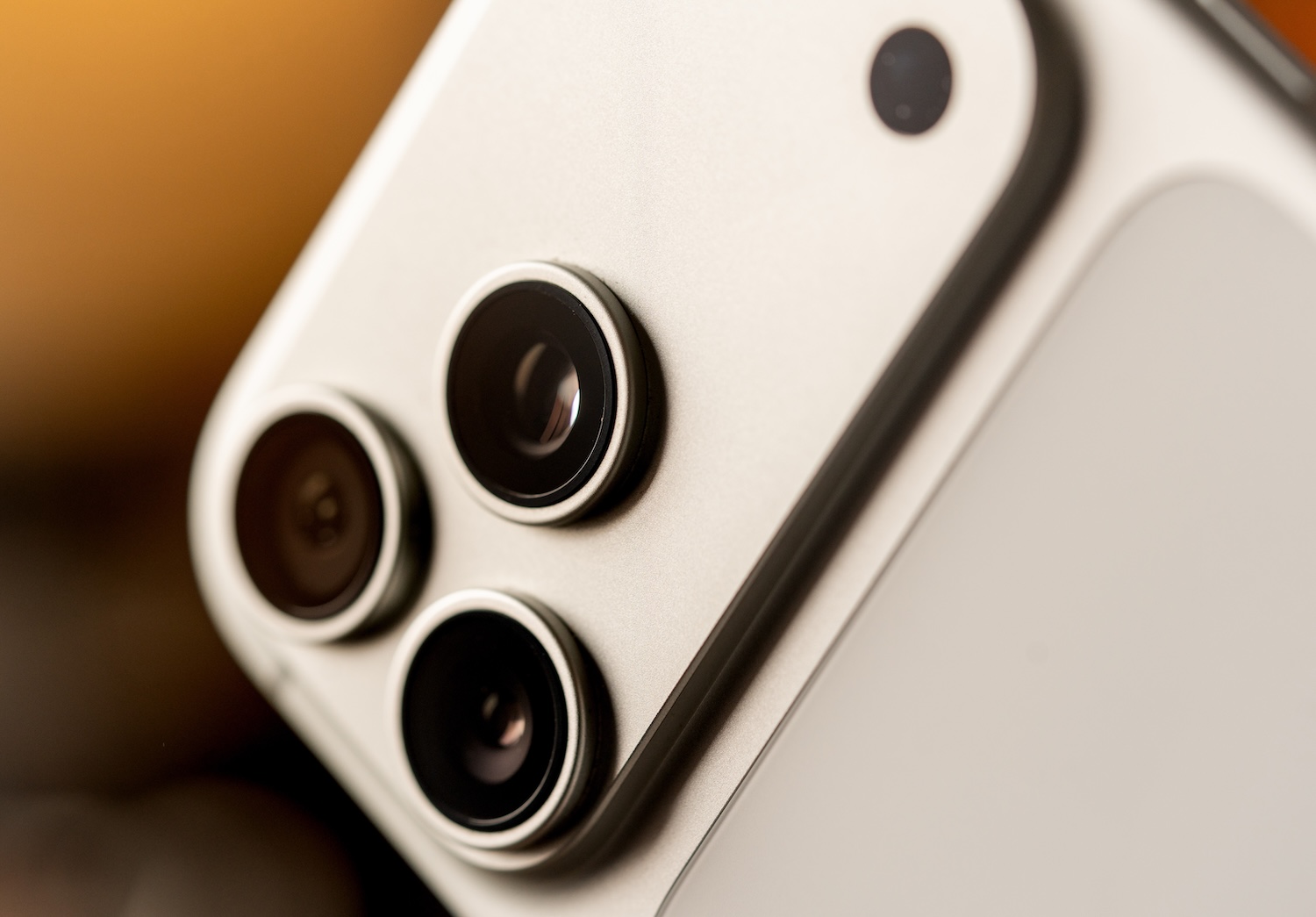
Apple has drawn a hard line in its software ecosystem, restricting the most advanced on-device AI capabilities in iOS 27 exclusively to the iPhone 17 Pro and iPhone Air, leaving millions of older iPhone owners behind.
The decision is not a minor footnote. According to MacRumors, it signals that Apple is now using hardware tiers to gate its most competitive AI features, a move that reframes the iPhone 17 Pro less as a camera upgrade and more as the entry point into Apple’s serious AI ambitions.
With the iPhone 18 Pro expected to arrive in just weeks, the 17 Pro is suddenly the floor of Apple’s AI story rather than its ceiling, and understanding what that floor actually unlocks tells you a great deal about where the whole platform is heading.
Also Read: Pixel 11 Pro Makes Breakthrough Push Into AI Phone Wars With Gemini
What The IPhone 17 Pro Actually Gates
Apple’s most powerful on-device AI model in iOS 27 requires either the iPhone 17 Pro or the iPhone Air to run locally. Siri’s most advanced capabilities, including features that go beyond basic summarization and writing tools, stay exclusive to those devices. Apple confirmed this restriction directly, framing it as a hardware necessity rather than a software choice.
That framing is doing some heavy lifting. Earlier reviews and analyst assessments noted that the iPhone 17 Pro delivered a meaningfully better overall experience but that its AI integration still lagged behind competitors like Samsung at launch. The iOS 27 update appears designed to close that gap, but only for users already on the newest Pro hardware.
For context, the iPhone 17 Pro Max retails at $1,199, and T-Mobile recently ran a promotion offering the standard iPhone 17 or 17 Pro for free over a single weekend, suggesting carriers are actively trying to accelerate the upgrade cycle.
Wider adoption of the 17 Pro directly expands the addressable audience for Apple’s most capable AI features.
Why This Dividing Line Is A Strategic Signal
Apple’s move to tie advanced AI to specific silicon is not accidental. It reflects a broader industry shift toward on-device inference, where the processor doing the work is physically inside the phone rather than in a cloud data center. Running powerful models locally improves privacy, reduces latency, and works without a network connection, all things Apple has emphasized in its positioning against Google and Samsung.
The iPhone 17 Pro and Air both carry hardware capable of handling Apple’s largest on-device model. Older chips simply cannot. That constraint forces Apple to either water down the feature or restrict it, and the company chose restriction.
That choice has real consequences for the competitive landscape. A CNET comparison of the Pixel 11 Pro XL against the iPhone 17 Pro Max found the two phones closely matched on most dimensions, with the Pixel priced $100 higher at $1,299. AI differentiation is increasingly where these flagship comparisons are won or lost. Apple’s exclusive gating means a Pixel 11 user running Google’s AI tools is now being compared against a 17 Pro user with Apple’s most advanced local model rather than a watered-down version.
What On-Device AI Actually Means
The distinction between on-device and cloud-based AI is worth unpacking. When a model runs in the cloud, your query leaves your device, travels to a remote server, gets processed, and returns as a response. That approach is powerful but introduces latency, requires connectivity, and raises privacy questions about what data is retained.
On-device inference flips that architecture entirely. The model weights live on the phone’s storage, and the neural engine inside the chip processes requests without any data leaving the device. Apple’s Neural Engine, built into the Pro line’s silicon, is specifically designed to accelerate the matrix operations that large language models rely on.
The tradeoff is that larger, more capable models demand more memory bandwidth and compute than older chips can reliably provide, which is precisely why Apple draws the line where it does. This is not unique to Apple. Google’s most capable Gemini Nano configurations are similarly restricted to newer Pixel hardware. The industry as a whole is converging on a model where flagship silicon doubles as an AI accelerator, and the phone upgrade cycle becomes entangled with AI capability tiers.
What It Means As The IPhone 18 Pro Approaches
The exclusivity story is about to get a new layer. Multiple outlets report that the iPhone 18 Pro is on track for a September event, with six new features confirmed in leaks and a possible Ultra tier entering the lineup for the first time.
Pricing anxiety is already building online, with some observers expecting the 18 Pro to push above current flagship prices.
That context reframes the iPhone 17 Pro’s AI exclusivity as a transitional moment rather than an endpoint. Apple has effectively used iOS 27 to validate the 17 Pro’s hardware investment while simultaneously building anticipation for what the 18 Pro’s newer silicon will unlock next.
Owners who upgraded to the 17 Pro for its camera are discovering they also bought the minimum ticket into Apple’s most advanced AI tier, at least until September changes that calculus again.
Read Next: Astra Builds Breakthrough Game Prototypes With Half the Fix Time