
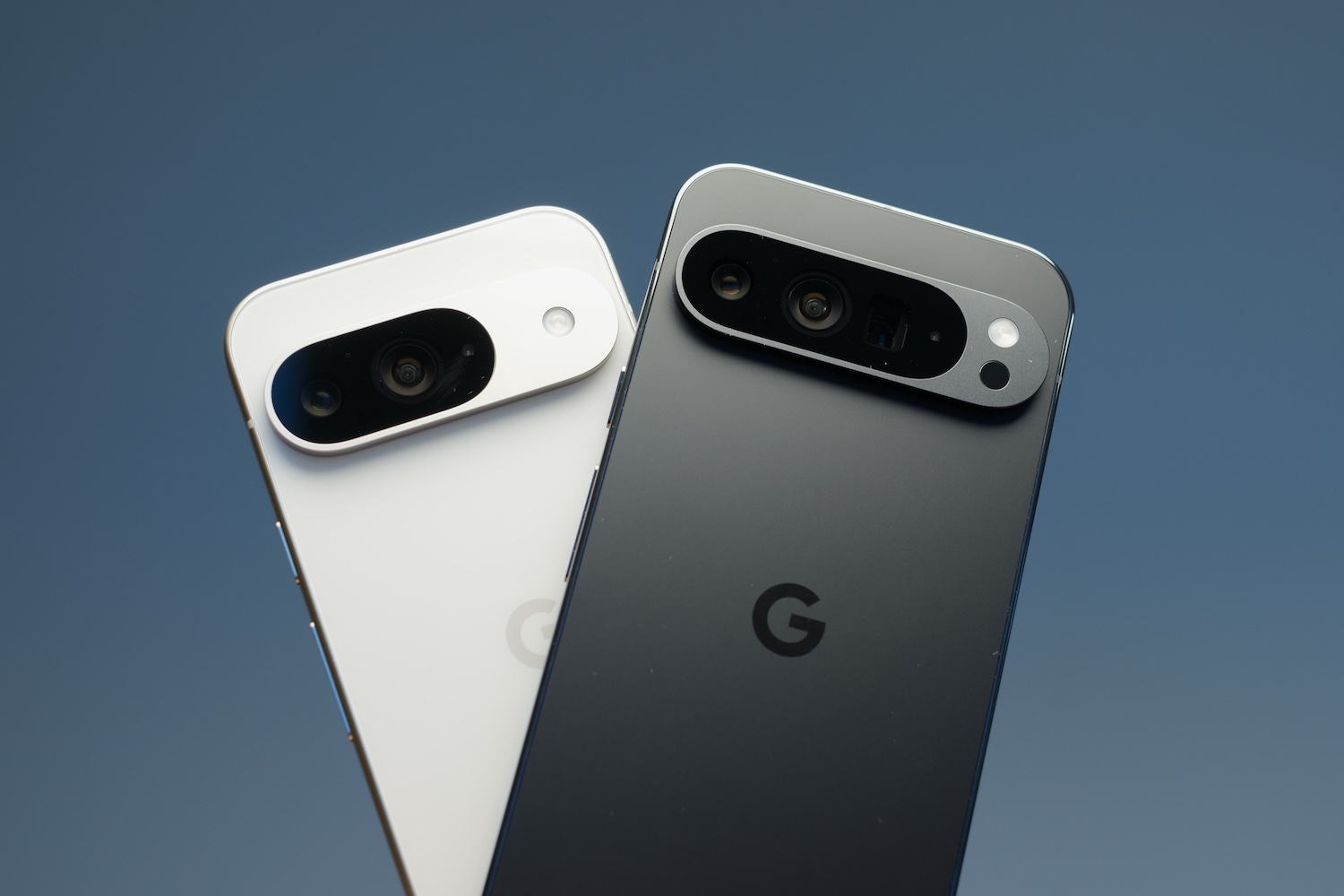
Google Pixel 11 Pro, Breakthrough or Bust on August 12?
Google is days away from unveiling the Pixel 11 Pro at its Made By Google event on August 12, 2026 — a launch that’s already touched off a sharp argument about what the company is actually delivering.
Can Google use its own silicon and on-device AI to genuinely push smartphone photography and utility forward? Or will it settle for a parade of attention-grabbing features that paper over modest hardware progress?
The event is confirmed, and the lineup is largely known before Google says a word.
Leaks and official teasers have already surfaced details on the Tensor G6 chip, a 120x zoom camera, and a new “Pixel Glow” lighting element on the camera bar. Sources also peg the starting price for the Pixel 11 Pro XL at $1,300.
That price is where the pressure concentrates.
At $1,300, Google is asking buyers for flagship-tier money — and analysts and commentators are openly questioning what aggressive moves the company will need to make to justify the ask.
What The Leaks Actually Reveal About The Google Pixel 11 Pro
The Tensor G6 processor sits at the center of the Google Pixel 11 Pro story, and understanding why requires a brief explanation of what the chip actually does differently. Unlike a standard application processor, Tensor G6 is designed around a dedicated neural processing unit tuned specifically for large language model inference, meaning it can run compressed versions of Gemini models locally, on the device, without routing requests to Google’s data centers.
That matters for three practical reasons, response speed, privacy, and offline availability. When a user asks the phone to summarize a document or reframe a photo, the answer can come from silicon in the palm of their hand rather than a server farm in Iowa. Faster, more private on-device inference has been Google’s central pitch for the Pixel line since Tensor debuted in 2021, and the G6 is expected to push that further than any previous generation.
Camera hardware is the other pillar, and the 120x zoom figure circulating in leaks deserves some context. Achieving 120x on a smartphone requires stacking optical zoom, typically a periscope telephoto lens, with digital processing that reconstructs fine detail rather than simply cropping and enlarging pixels. Google’s computational photography pipeline, which already underpins features like Night Sight and Super Res Zoom, would handle the heavy lifting beyond the optical ceiling.
The jump from the Pixel 10’s zoom ceiling would be notable if confirmed, and Google has teased a new audio interface alongside the camera bar redesign, suggesting the hardware changes extend beyond optics. The Pixel Glow feature, hinted at in an official teaser Google published on July 30, appears to add a notification or ambient lighting strip to the rear camera module, a design choice that doubles as a practical tool and a visual differentiator on a crowded shelf.
RAM configurations for the Pixel 11 Pro Fold, the foldable variant in the lineup, are rumored at 12GB or 16GB paired with storage options reaching 1TB. The standard model’s full specs have not been confirmed ahead of the event.
The AI Credibility Question
The most pointed debate surrounding the August 12 launch is whether Google will use the Google Pixel 11 Pro to demonstrate meaningful AI progress or lean on feature branding. CNET published commentary this week asking directly whether Google will advance computational photography with genuine AI horsepower rather than surface-level gimmicks, a framing that reflects a broader skepticism building among longtime Pixel followers.
That skepticism has a specific shape. Some observers, including writers at 9to5Google, have argued the handset will feel incremental rather than transformative, noting that the generational jump may not be dramatic enough to compel upgrades from Pixel 10 users. Reddit threads show fans explicitly stating they are not seeking more AI features but rather deeper improvements to reliability and hardware quality.
Those concerns, about call stability, long-term software support, and consistent camera performance across lighting conditions, are precisely the kind that no keynote demo tends to address directly. Google’s own marketing, however, frames this differently. The official store page positions Gemini as the connective thread through the camera experience, from Magic Eraser to Google Lens, signaling that the company intends to present AI integration as a cohesive system rather than a feature checklist.
The honest test of that claim will come not on stage but in the weeks after launch, when reviewers document how the device performs on an ordinary Tuesday afternoon with mixed connectivity and a full notification tray.
What August 12 Will Settle
The Made By Google event will land answers on several open questions simultaneously, including final pricing across the full lineup, availability dates and regions, carrier partnerships, and whether Android 17 ships with the Google Pixel 11 Pro as expected. Android Authority flagged nine specific announcements to watch, suggesting the event covers more than just the phone hardware. On pricing, the $1,300 figure for the XL tier sets a ceiling that will define how the broader lineup is received. If the standard version lands meaningfully below that, Google has room to argue value. If the gap is narrow, the pressure on the XL’s feature set intensifies proportionally.
Rate limits on Gemini features, how many on-device queries run without throttling, which capabilities require a Google One subscription, and which markets get full feature access at launch, are the kind of availability details that rarely headline a keynote but routinely determine whether a product’s AI story holds up after the applause fades.
The phone’s commercial success will hinge on whether Google can close the gap between its AI ambitions and the lived experience of owning the device. The Tensor G6 gives it the engine. The software, camera tuning, pricing strategy, and honest feature availability will determine whether buyers find the argument convincing. The answer arrives August 12.
Read Next: Astra Builds Breakthrough Game Prototypes With Half the Fix Time