OpenAI and Anthropic Absorb Memory Supply — PC Builders Pay the Difference
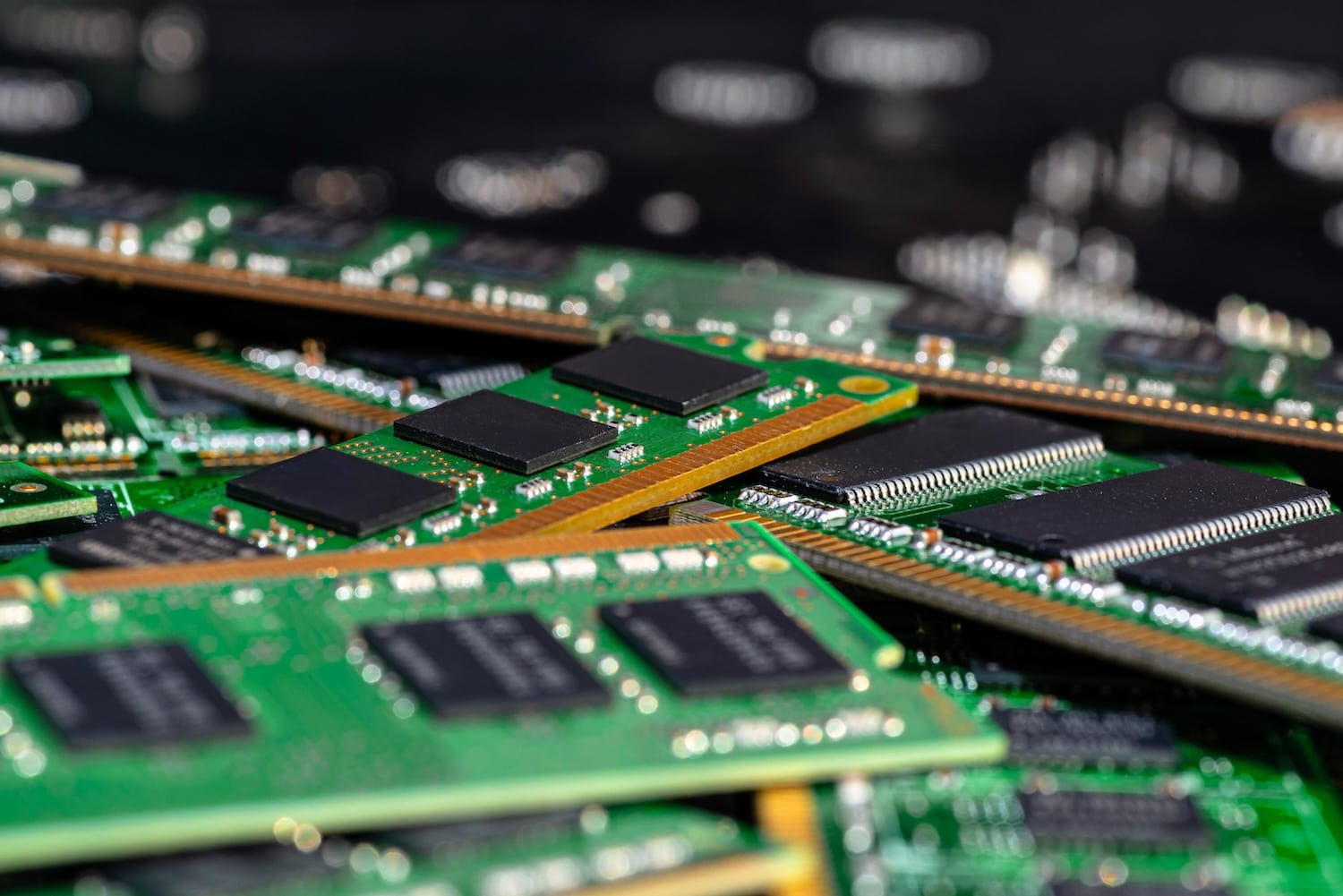
RAM shortage pressure hit a breaking point this year. Memory prices have spiked by multiples as AI companies — OpenAI and Anthropic among them — absorb supply that used to flow freely to PC builders and mid-tier cloud providers.
The data center boom is bidding memory away from the consumer market at a scale chipmakers weren’t prepared to match.
What’s emerged is a bifurcated market. Hyperscalers lock in long-term supply contracts, and everyone else pays spot prices sitting two to four times above their 2024 levels.
The Verge reported on July 26 that the shortage spans both high-bandwidth memory used in AI accelerators and standard DDR5 used in personal computers.
That breadth makes relief unlikely without a significant expansion of fabrication capacity.
How AI Turned RAM Into A Contested Resource
RAM, short for random-access memory, is the fast, temporary storage a processor uses to hold data it is actively working on. It is distinct from long-term storage like a hard drive.
Every computing device needs it, but the amount required scales sharply with the complexity of the workload.
Training and running large language models demands enormous quantities of a specialized variant called high-bandwidth memory, or HBM. HBM stacks memory chips vertically and connects them with thousands of microscopic wires, allowing a GPU to read and write data far faster than standard modules can manage.
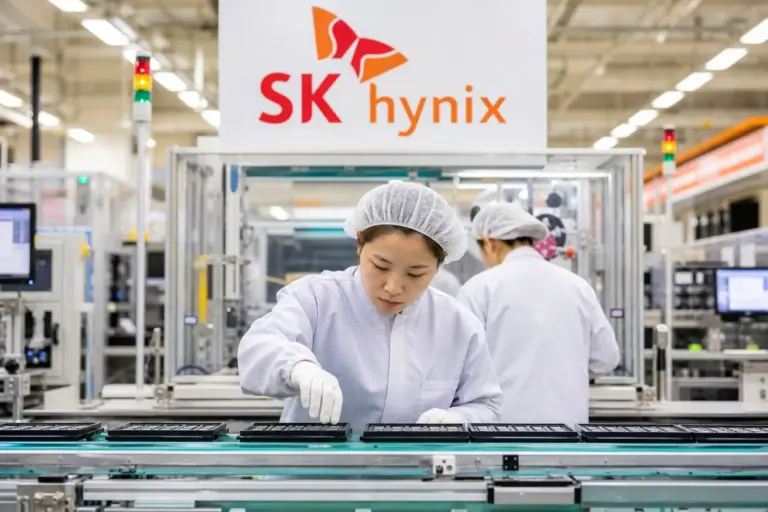
The leading supplier is SK Hynix, followed by Samsung and Micron Technology.
The same semiconductor fabs that make HBM also make the DDR5 chips in consumer laptops. When AI spending surges, fab capacity shifts toward HBM because the margins are higher and the buyers are larger.
Consumer-grade modules become a lower priority, output falls, and prices rise.
From Gradual Tightening To A Full RAM Shortage Crisis
The shift began in late 2023 as the first wave of AI data center build-outs collided with already-constrained fab capacity. Memory makers had cut production aggressively in 2022 to clear a post-pandemic glut, leaving them with little slack when AI demand arrived faster than anyone projected.
By mid-2025 the tightening was visible in spot prices.
The current RAM shortage spike, reaching multiples of year-ago levels, represents a second and sharper leg that analysts attribute to the simultaneous ramp of several large AI infrastructure programs. Microsoft, Google, and Amazon have all disclosed multi-billion-dollar capital expenditure commitments for data center expansion in 2026, and each of those facilities requires dense memory configurations.
Also Read: Anthropic Ends Fable Data Retention Flaw in 5.1 Release
Xbox strategy chief Matthew Ball acknowledged the RAM crisis as a factor in platform planning decisions, a signal that the RAM shortage has reached far beyond the AI sector into adjacent hardware markets.
What Consumers And Smaller Builders Actually Face
For a user building a PC or upgrading a laptop this summer, the practical consequence is straightforward. A 32-gigabyte DDR5 kit that sold for around $80 in early 2024 now commands prices well above that level at major retailers, with the steepest increases on higher-speed modules that overlap most directly with data center specifications.
Small cloud providers and research institutions without the purchasing power of a hyperscaler face a harder version of the same problem.
They cannot commit to the multi-year contracts that lock in preferential pricing, so they pay spot rates that fluctuate with whatever capacity the big buyers leave unclaimed.
This creates a compounding disadvantage for AI startups. The labs best positioned to train and run frontier models are exactly those with the capital to secure memory supply at scale.
Smaller competitors training on rented cloud infrastructure absorb the spot-price premium as a direct operating cost, widening the gap between the largest labs and everyone else.
The Path To Relief Runs Through New Fabrication Plants
Building a new semiconductor fab takes three to four years from groundbreaking to volume production. Announced expansions from SK Hynix in Indiana and Samsung in Texas will add HBM capacity, but neither facility reaches meaningful output before late 2027 at the earliest.
In the near term, memory makers can shift the mix of what their existing fabs produce, but any meaningful rebalancing toward consumer DDR5 requires reducing HBM output, a trade-off the industry has so far been unwilling to make given the premium pricing AI buyers offer.
The more likely short-term adjustment is demand-side.
If AI infrastructure spending moderates, the pressure on fab allocation eases and consumer prices soften. The recent wave of earnings calls from hyperscalers suggests no such moderation is planned for 2026, which means the RAM shortage is likely to remain a structural feature of the technology market rather than a passing supply blip.
Why The RAM Shortage Is An AI Story First
The framing that matters here isn’t a simple supply-chain disruption.
Memory has become a strategic resource in the AI race — as consequential as GPU availability. Labs that secure large, stable memory allocations can scale training runs and inference capacity their competitors can’t match.
So the RAM shortage reinforces the same winner-takes-most dynamic already visible in GPU markets, chip packaging, and power contracts.
Each scarce input becomes a moat that the best-capitalized labs widen over time.
For the broader technology industry — PC makers, game console manufacturers, enterprise IT buyers — AI infrastructure spending is now a structural headwind with no near-term end in sight.
Read Next: Can AMD’s 3.2-Trillion-Transistor Helios Rack Break Nvidia’s Grip?