Western Union Hands Solana A Back Door Into Mexico As Hong Kong Lists A 2nd SOL ETF
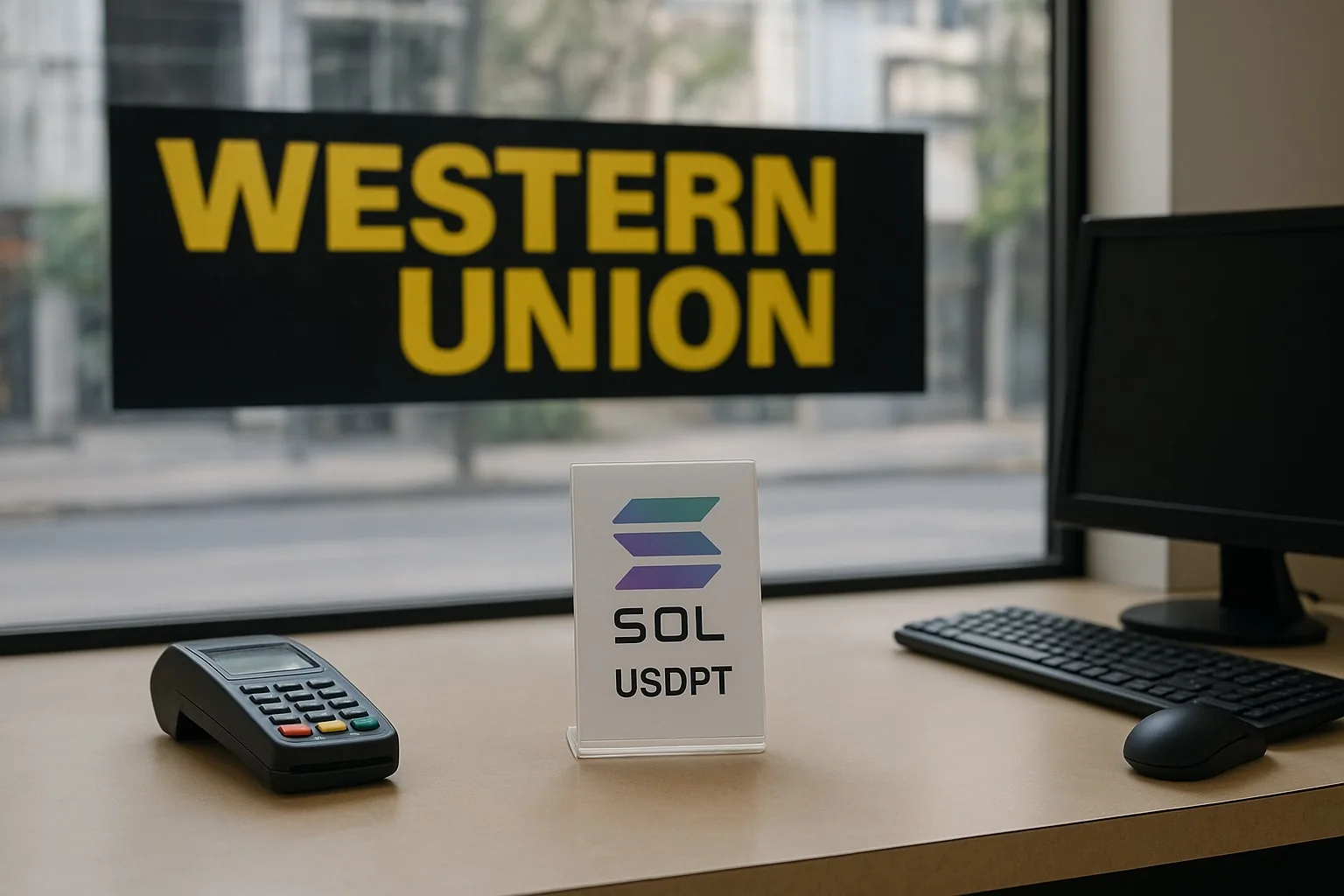
Solana adoption widened across retail payments in Mexico, institutional investment in Hong Kong and public sector outreach in Da Nang after the network highlighted three new distribution channels on Sunday.
Key Takeaways
- Western Union’s USDPT is reaching retail users in Mexico on Solana
- Hong Kong has a second spot SOL ETF for institutional allocators
- Da Nang’s innovation ecosystem has signed a new memorandum of understanding
- The Solana Foundation summarized the update on X
The Solana Foundation stated that Western Union’s USDPT is reaching retail users in Mexico, Hong Kong now has a second spot SOL ETF for institutional allocators, and Da Nang’s innovation ecosystem has signed a new memorandum of understanding.
The thread framed those developments as three different ways users can reach the chain without starting from a native wallet.
Solana Adoption Is Moving Through Three Pipes
The three channels solve different access problems. Western Union lowers the distribution barrier for users who may never touch a self-custody wallet first.
A spot ETF lowers custody friction for asset managers that want exposure without handling tokens directly. A city memorandum can open the door to pilots, developer programs or administrative trials.
Taken together, this looks less like a single product launch and more like a routing map. Solana is trying to meet users inside familiar wrappers rather than waiting for them to arrive through decentralized applications.
That marks a practical shift in how blockchain networks pursue mainstream growth.
The Mexico piece sharpens the stablecoin angle. A stablecoin is a cryptocurrency designed to hold a fixed value, usually against the U.S. dollar.
If USDPT runs on Solana, the network can capture payment activity without asking consumers to think about SOL as an investment product.
From Trading Rails To Institutional Wrappers
Earlier Solana growth cycles leaned hard on memecoins, token trading and decentralized finance. Those channels can drive activity fast, but they also make usage look cyclical because speculative demand can vanish quickly.
The new mix is quieter and more institutional.
A regulated ETF, a remittance rail and a city-level agreement do not create the same online excitement as a trading boom. They can create stickier interfaces.
A fund that buys an ETF, or a payments company that integrates a settlement rail, usually moves slowly and stays longer once the process is in place.
That matters for a network that has spent the last year arguing it can handle real consumer scale. Sunday’s post tied adoption to concrete endpoints rather than abstract ecosystem growth.
Also Read: Visa Taps Inyo Global As First Stablecoin Provider For USDC Payouts
How Earlier Solana Cycles Set Up This Push
This distribution strategy follows years of trying to convert usage spikes into durable access.
In past cycles, many new users arrived through exchanges and stayed for speculation. That produced high throughput, but it did not always create dependable, everyday transfer demand.
The new posture suggests Solana wants institutions and service providers to handle the hard parts first.
Payments companies can manage consumer interfaces. ETF issuers can manage compliance and custody.
Local partners can manage civic relationships. That approach can broaden reach even when direct retail enthusiasm cools.
Solana Adoption Still Needs Onchain Proof
The next test is whether these routes translate into visible activity.
An ETF can exist without strong inflows. A memorandum can produce few near-term results.
A payments integration can stay narrow if corridor demand never scales. The update did not include asset balances, payment volume or rollout dates for each item.
Why Western Union And ETFs Change The User Mix
Western Union, Hong Kong issuers and Da Nang are not just three logos for Solana.
They represent three separate onboarding systems. Western Union can bring remittance users who care about cost and speed, not wallets. A Hong Kong ETF can bring allocators whose mandates bar direct token custody.
A city memorandum can bring universities, agencies and incubators that need a formal local counterpart.
That changes the shape of Solana adoption. Before, many users arrived through exchanges and stayed for trading.
Now the chain is trying to meet people after someone else has already handled compliance, distribution and education. For Solana (SOL) holders, the key question is whether those wrappers create durable onchain demand rather than headline reach alone.
Read Next: BIS Warns Stablecoin Adoption Slows As U.S. Banks Raise Rates And Keep Cash Home