Chinese Buyers Use Crypto To Sneak Into ChatGPT And Claude, Data Shows
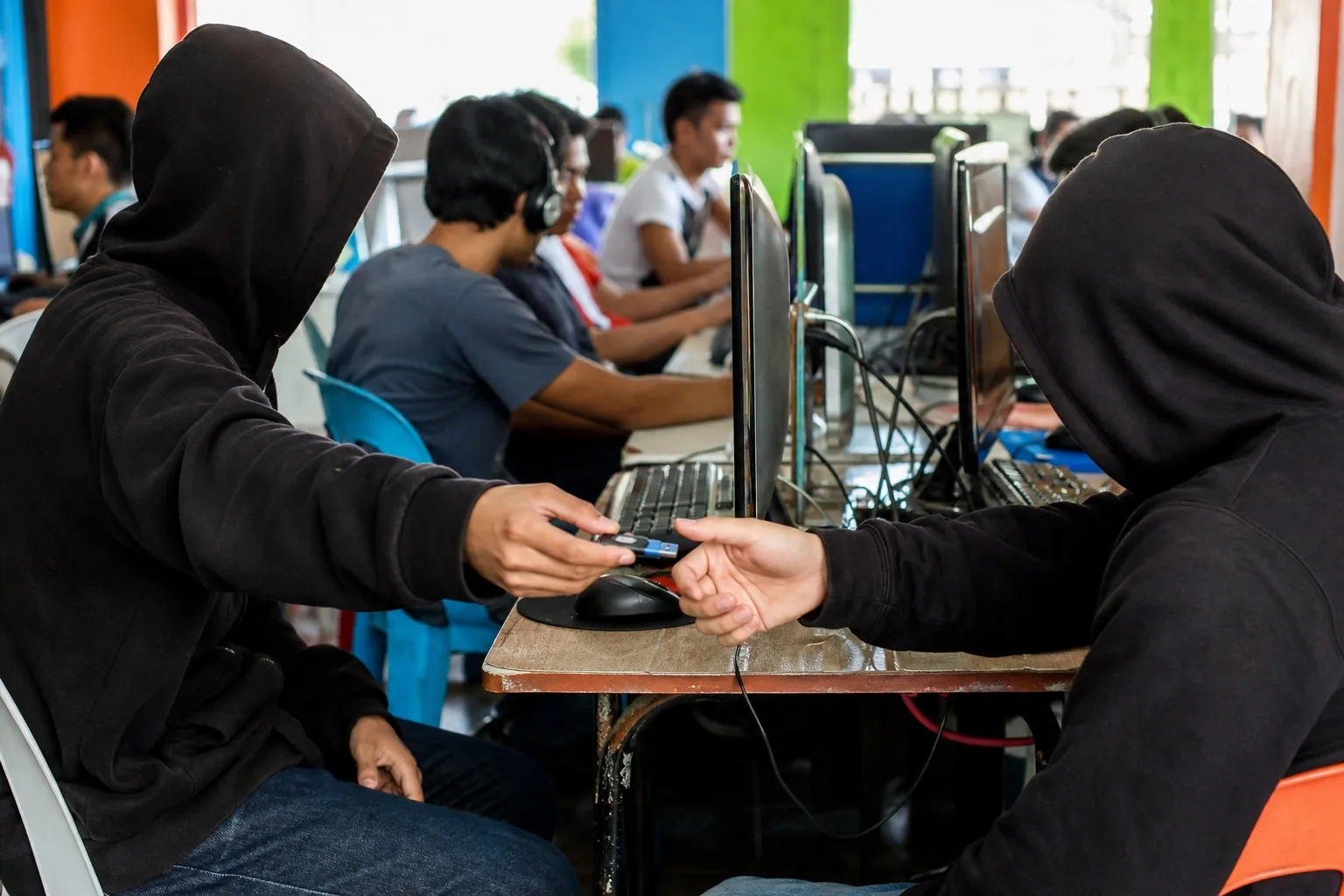
A shadow market is selling Chinese users back-door access to ChatGPT, Claude and other banned American AI models, and crypto, mostly stablecoins, is helping pay for it, with China-linked payments jumping right after major U.S. model launches.
Key Takeaways
- Blockchain analysis firm Chainalysis surveyed 100 AI “proxy services” that resell access to restricted U.S. models, and 40% accepted crypto, mostly stablecoins
- Payments from suspected China-linked wallets rise above normal in the days after new U.S. AI model launches
- Anthropic has said Chinese labs DeepSeek, Moonshot and MiniMax used about 24,000 fake accounts run through such proxies to copy Claude
- Most crypto payments pass through third-party payment processors, which can carry the money onto regulated exchanges with no clear trail back
Chainalysis flagged the findings on X on Nov. 21, pointing to its research into what it calls the shadow market behind China’s AI model “distillation boom.” Distillation means feeding a powerful model huge numbers of questions and using its answers to train a cheaper copy, a way to borrow years of research for a fraction of the cost.
U.S. AI companies block users in China from their most advanced models for national security reasons. Chainalysis found those users are getting in anyway, through proxy services that hide where requests come from and sell access “often at a discount.”
How The Back-Door Market Works
The proxies run like ordinary subscription businesses. Sign-up is free, and users buy credits to run queries on models such as Claude, ChatGPT and Gemini. Most take payment through Chinese apps like WeChat and Alipay, but 40% of the 100 services Chainalysis surveyed also accepted crypto.
Behind them sits a layered supply chain. Upstream vendors get access by farming accounts and swapping models, and proxy services then pool that access, route the queries and sell the subscriptions. “When one vendor is disrupted, others can step in,” Chainalysis wrote.
Why Payments Spike After Every Launch
Chainalysis tested a simple idea. If Chinese developers use proxies to pull capabilities out of new American models and pay in crypto, payments should jump right after a big release. They did. Suspected China-linked wallets increased their activity in the days after frontier model launches by more than wallets using these services overall.
The firm called that pattern “consistent with an effort to gain rapid access to new model capabilities,” but was careful to add that the data “cannot, however, confirm what is driving the observed activity.”
The wallets paying for proxy services were concentrated in China, along with Japan, Hong Kong, Singapore and South Korea, which Chainalysis said fits Chinese operators routing through nearby regions.
Also Read: OpenAI Makes It Far Harder For Rivals Like DeepSeek To Copy ChatGPT
What The AI Labs Have Seen
The AI companies have been saying the same thing from the other side. In February, Anthropic said DeepSeek, Moonshot and MiniMax ran more than 16 million exchanges with Claude through about 24,000 fraudulent accounts to “illicitly extract Claude’s capabilities to improve their own models.” It said the labs used commercial proxy services running “hydra cluster” networks, where banning one account just meant another took its place.
OpenAI said this week that it has made copying its models far harder, cutting the success rate of one copying attack from 54% to 0.2%. Chainalysis also noted the National Security Agency warned last month that copied models can pose risks to critical infrastructure and military systems, partly because they often lose the safety guardrails of the originals.
Why This Matters
The U.S. has tried to keep its AI lead by cutting China off from the best chips and the best models. This research shows the model side of that wall leaks, and that crypto is part of the plumbing. Stablecoins let proxy services take payment without banks, sidestep China’s capital controls and limit identity checks.
It also drags the crypto industry into a national security fight. Most proxy payments pass through custodial payment processors before reaching the proxy operators, Chainalysis found, which means money tied to the trade can land on regulated exchanges with no obvious link back. That puts exchanges and stablecoin issuers on the hook to spot and block these flows, much as they already must for sanctions and scams.
What To Watch Next
Watch for U.S. action against the payment side of the trade. Chainalysis argued that tracing crypto flows can expose links between proxy operators, their customers and the exchanges where the money ends up, giving authorities and AI companies pressure points to hit.
Watch the next big model launch, too. If the spike in China-linked payments repeats, it will strengthen the case that copying starts within days of every release, and push AI labs to tighten access even further, as Anthropic and OpenAI already have.
The bigger question is whether any of this can be stopped. Blocking access to a model is no longer enough when a mature market resells it, and for every proxy that gets shut down, another is ready to take its place.
Read Next: U.S. Shuts China’s Cloud Back Door To American AI Chips