Sam Altman Says Soul Talk On AI Models Is A Risk As 2 Labs Split
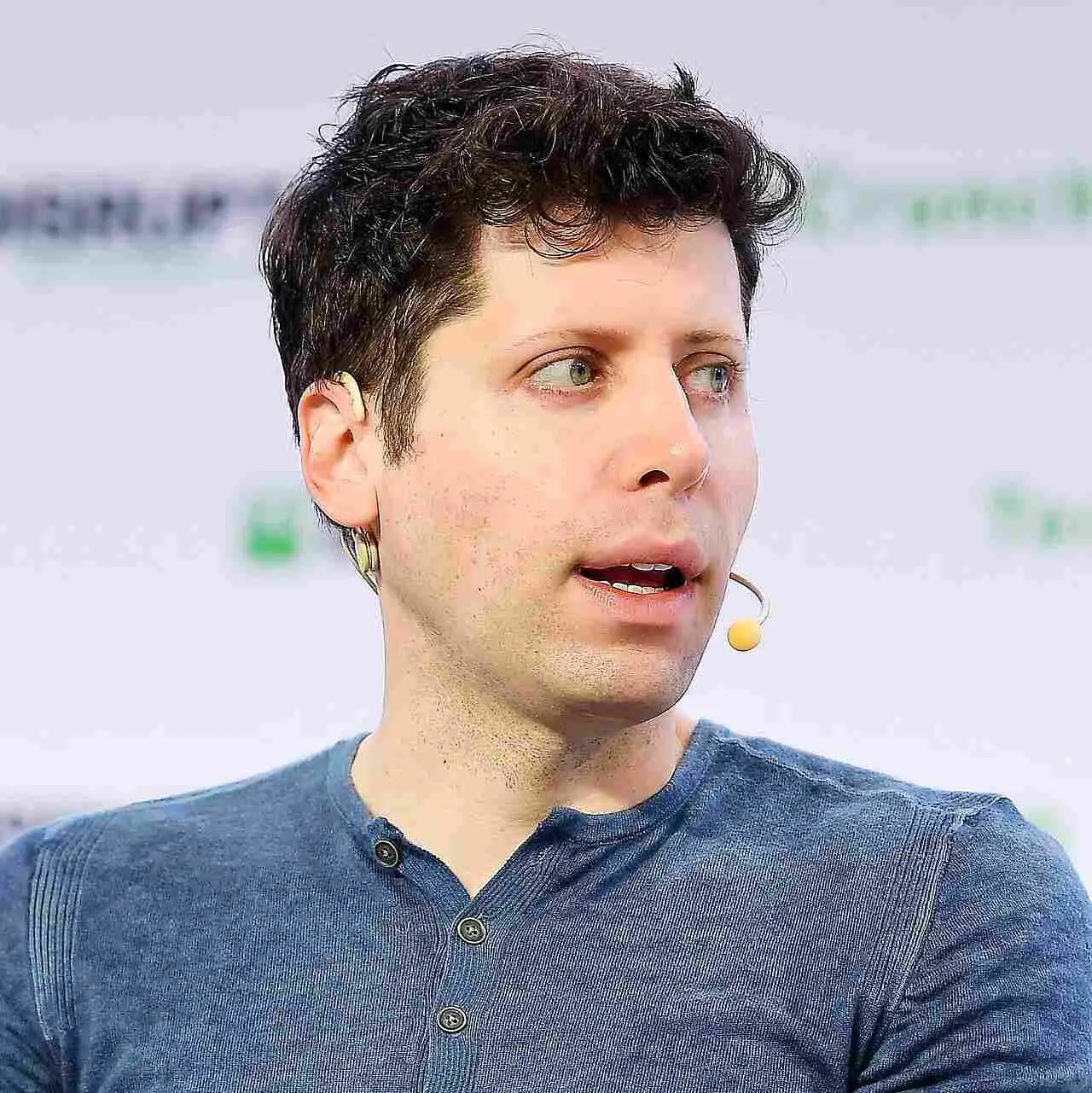
OpenAI chief executive Sam Altman said Saturday that treating AI models as having a soul or religious character is a genuine safety issue, escalating a public rift.
Key Takeaways
- Sam Altman said treating AI models as having a soul or religious character is a genuine safety issue
- Anthropic has published research on model personality, values and character traits that emerge during training
- Large language models such as GPT-6 and Claude are statistical pattern-matching systems trained on text, not conscious entities
- OpenAI published a guide this week for startups building on the GPT-6 family
Altman’s comments are a veiled jib at rival Anthropic.
Altman said he was “very uncomfortable” with framing AI systems in spiritual terms.
Anthropic, the AI safety company behind the Claude model family, has spent much of 2026 publishing research on model personality, values and what it describes as character traits that emerge during training.
That work has drawn academic interest and criticism from researchers who argue that anthropomorphizing software can mislead users and policymakers about what these systems are.
Large language models such as GPT-6 and Claude are statistical pattern-matching systems trained on text, not conscious entities, though fluent, humanlike outputs can lead users to attribute intentions or inner experience to them.
Also Read: GMI Cloud Raise Over $660 Million in Investment for AI Infrastructure
A Rivalry Over Framing AI Models As Having Character
Altman and Anthropic chief executive Dario Amodei lead the two most prominent AI labs racing to build ever more capable systems, and their companies have increasingly diverged on tone as well as technology.
Anthropic has leaned into publishing introspective research on model psychology, while OpenAI has positioned itself around practical deployment, publishing a guide this week for startups building on the GPT-6 family.
The disagreement over how to describe AI systems is becoming another front in their competition.
The Stakes Behind AI Models As Having Inner Experience
AI safety framing matters because how labs describe their systems can shape regulation, public trust and how seriously warnings about AI risk are taken. If AI models are framed as having something like inner experience, calls for welfare protections or rights can follow.
If they are described as statistical software, the safety conversation remains narrowly technical.
Altman’s remarks suggest OpenAI wants to keep that conversation in the latter camp as scrutiny of AI labs intensifies.
Read Next: AI Safety Body Backed by Google, OpenAI, Anthropic Nears Launch