Asana Slashes Browser Agent Cost 76-Fold With OpenAI’s GPT-6 Astra Model
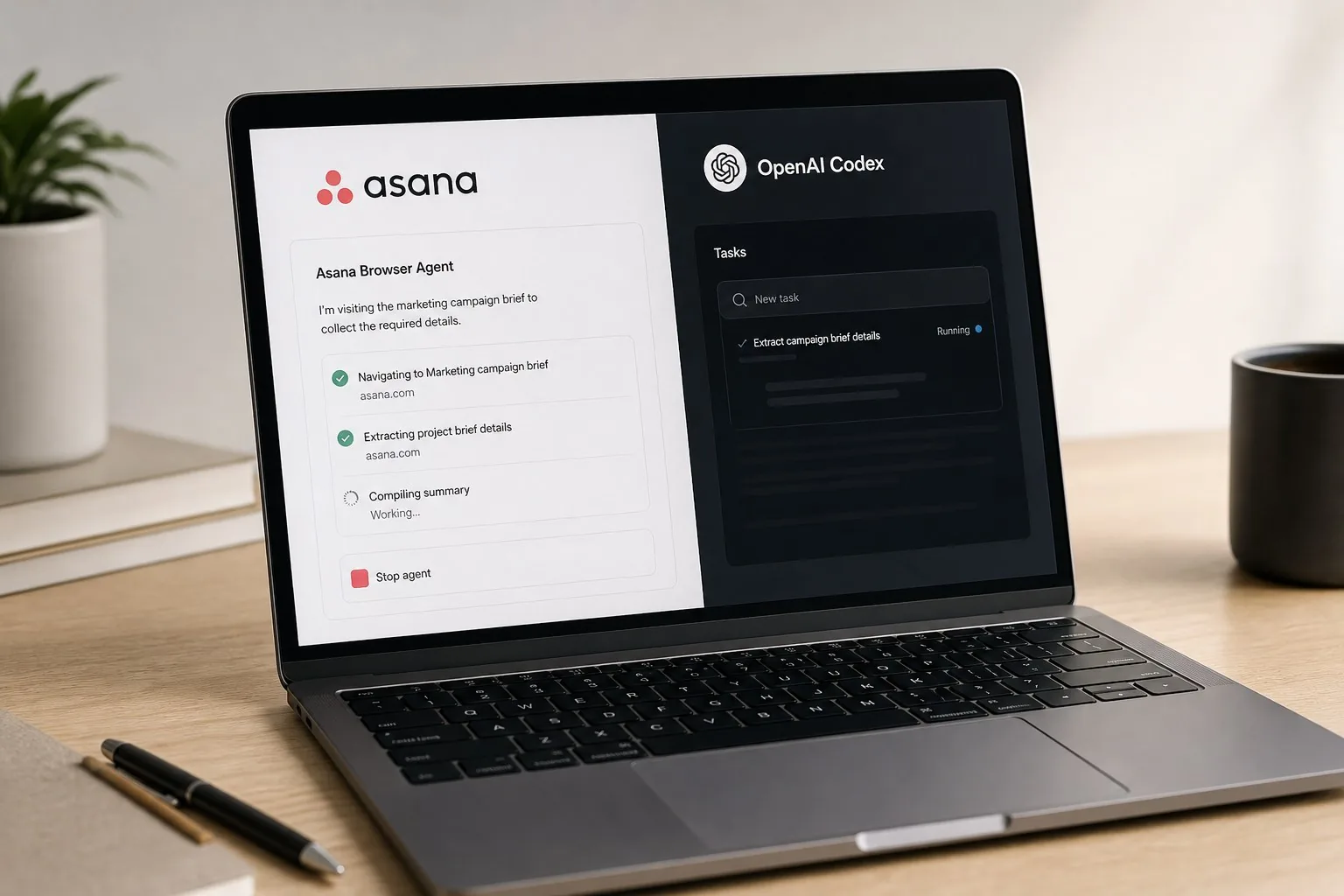
Asana said its browser agent cost dropped 76-fold after switching to OpenAI‘s GPT-6 Astra model in Codex. 9.
Key Takeaways
- Asana said its browser agent cost dropped 76-fold after switching to OpenAI’s GPT-6 Astra model in Codex
- Asana measured a fivefold increase in processing speed during internal tests of its browser agent
- OpenAI did not disclose the absolute dollar figures behind the 76-fold multiplier
- None of the case studies include independently verified cost baselines
The company also measured a fivefold increase in processing speed during the same internal tests. Asana’s browser agent navigates web pages, clicks buttons and extracts information the way a human user would, automating tasks that previously required manual clicking through dozens of browser screens.
The case study said the swap to GPT-6 Astra, run through Codex, let Asana offer the same automation to customers at a fraction of the prior compute bill while completing tasks faster.
OpenAI did not disclose the absolute dollar figures behind the 76-fold multiplier, only the relative improvement.
Why Browser Agent Cost Matters More Than A Benchmark Score
Model benchmarks measure accuracy on fixed test sets, but they say nothing about what a task costs to run at scale. A browser agent that clicks through hundreds of pages per task burns tokens, the unit AI providers bill by, with every intermediate step.
Also Read: Alibaba’s Qwen Slashes Image Model To 8 Steps, Skips Quality Benchmarks
A 76-fold browser agent cost reduction means Asana can run the same volume of automated browsing for roughly 1.3% of its previous spend, turning a feature that was likely too expensive for broad rollout into one cheap enough to offer every customer.
The Pattern Behind This Week’s Case Studies
OpenAI has published a string of enterprise case studies this week, each pairing a specific company with a specific efficiency number, following the same format used in its Oracle and Sophos disclosures published within the same 48-hour window.
The pattern suggests a coordinated push to market GPT-6 Astra on cost efficiency rather than raw capability, a different sales pitch than the benchmark-chasing marketing common earlier in the AI product cycle.
What To Watch As Pricing Claims Pile Up
None of these case studies include independently verified cost baselines, so the multipliers rest entirely on OpenAI’s own reporting. The real test will be whether Asana or other customers disclose comparable figures publicly, or whether third-party reviewers can replicate the claimed efficiency gains on similar browser-automation workloads.
Read Next: Menlo Ventures Pours $30M Into Nectar MCP To Feed Live Data To ChatGPT, Claude