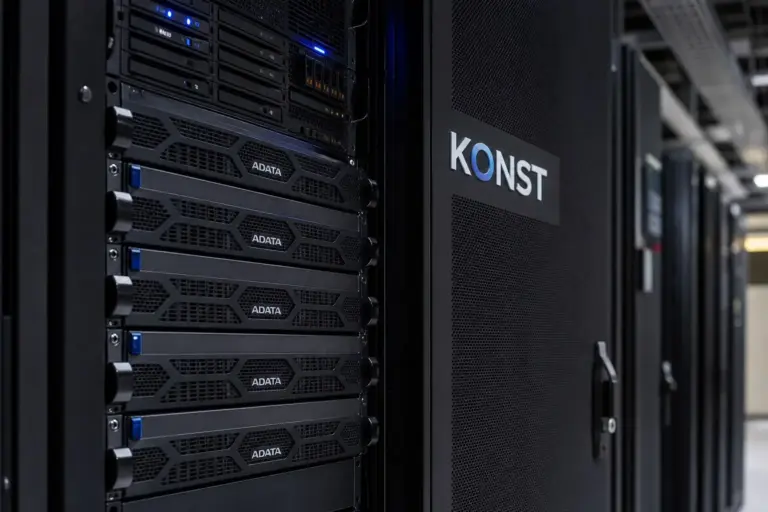
SK Hynix Slams Brakes On Solidigm IPO After Shareholder Backlash
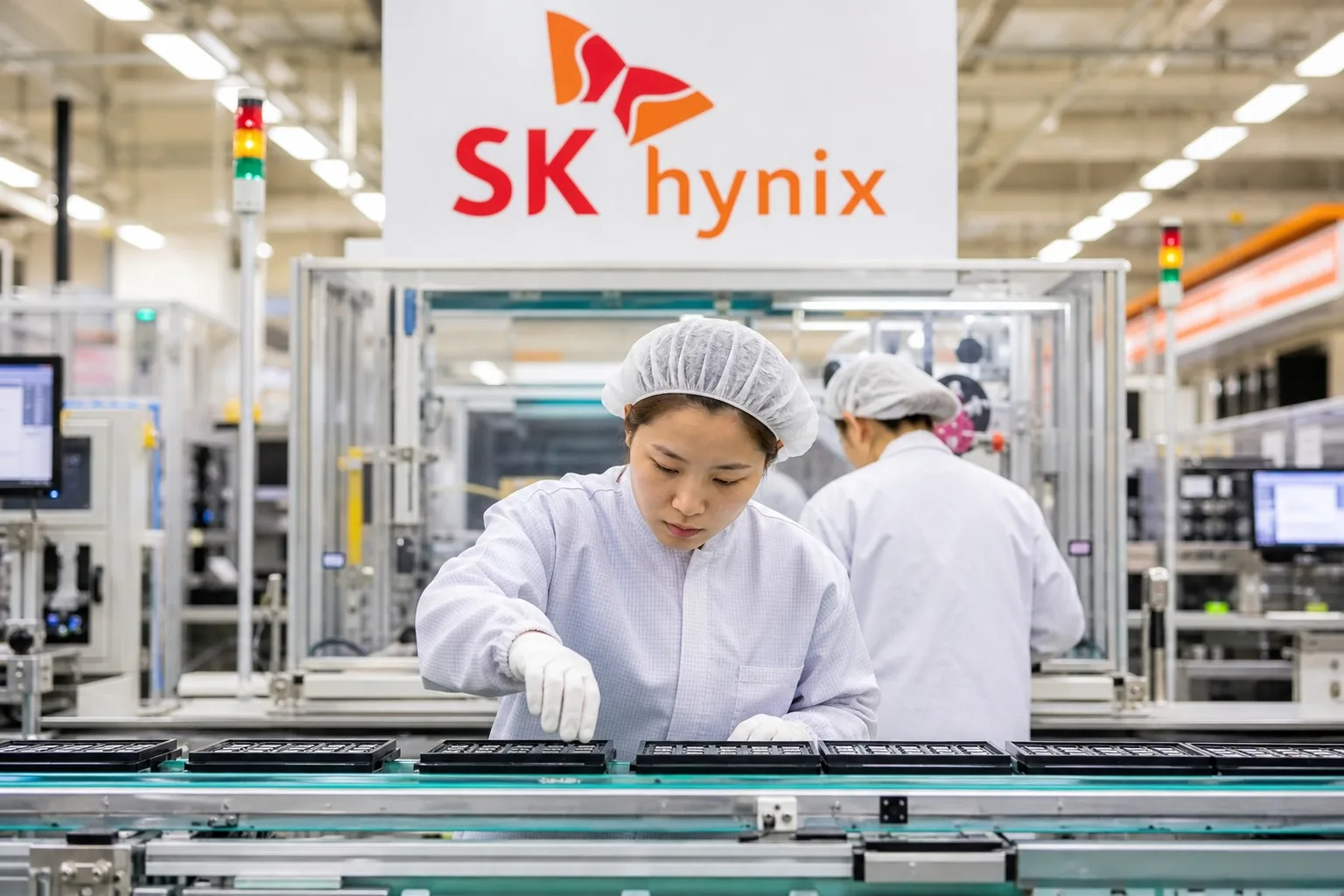
Chip giant SK Hynix has slammed the brakes on the Solidigm IPO, shelving its plan to sell shares in its U.S. storage business on Wall Street after its own shareholders pushed back and chip stocks slid.
Key Takeaways
- SK Hynix paused a U.S. listing for its memory unit Solidigm
- Solidigm was built after SK Hynix bought Intel’s NAND and SSD business
- South Korea’s financial regulator warned its rules on listing spin-offs apply to Solidigm
- Solidigm sells flash storage for training data, checkpoints and retrieval indexes rather than processors like Nvidia GPUs
The reported pause centered on Solidigm, the U.S. storage business SK Hynix built after buying Intel’s NAND operation. SK Hynix is one of the world’s biggest memory suppliers, and its pricing power matters because AI servers consume vast amounts of high-bandwidth and flash memory.
SK Hynix said it had suspended its review of both a pre-IPO funding round and the IPO itself, and that it may revisit the listing later, Korea JoongAng Daily reported.
South Korea’s top financial regulator had also warned that its rules on splitting off and listing subsidiaries apply to Solidigm’s U.S. plan.
SK Hynix IPO Loses Its Market Window
The reported decision lands at an awkward point for semiconductor finance. AI demand is still strong, but public investors have grown less willing to pay peak multiples for every business tied to data centers.
That matters for Solidigm because flash storage is not the same business as training GPUs.
The storage layer sits downstream from the most crowded trade. It benefits when model builders keep more data close to compute, but it does not command the same scarcity premium as advanced accelerators.
For SK Hynix, that distinction affects both timing and price.
An IPO during a hot cycle can do two things at once. It raises cash and marks a valuation that the parent can use in future financing, acquisitions or internal capital allocation.
From Intel Deal To Delayed Exit
Solidigm exists because SK Hynix bought Intel’s NAND and SSD business in a multiyear deal that gave the Korean chipmaker a stronger foothold in enterprise storage.
That earlier move was about broadening beyond DRAM and tying the company more tightly to server demand.
The new pause is meaningful because it interrupts the next step in that strategy. Rather than just owning the business, SK Hynix had been preparing to test what public investors would pay for a storage company pitched into the AI buildout.
That test would have been useful beyond one issuer.
Public pricing for Solidigm could have served as a read-through for other infrastructure names sitting below the GPU layer, including flash, controller and system vendors.
Also Read: ZenaTech Unleashes Drones To Hunt Down Delays On AI Data Center Building Sites
AI Memory Stocks Face A Harder Pitch
The harder pitch is simple. Investors know AI models need chips, but they are less certain which adjacent suppliers will keep pricing power once capacity expands.
HBM, or high-bandwidth memory, is the premium memory stacked close to AI processors to move data quickly during training and inference.
NAND flash plays a different role. It stores large data sets and model artifacts at lower cost, which still matters for AI systems but carries a more cyclical margin profile.
That gap helps explain why an SK Hynix IPO for Solidigm could stall even when AI spending remains large.
Buyers may want cleaner proof that storage demand from inference, retrieval and enterprise deployment will hold up after the first wave of model training.
What Investors Will Watch After The SK Hynix IPO Pause
The next signal is not just whether SK Hynix revives the deal. It is whether management waits for broader AI equity conditions to improve, or rewrites the story around cash flow and enterprise storage rather than pure AI exposure.
A delayed IPO is not the same as a canceled one.
But if the window stays shut through the next quarter, bankers and rival chip groups may read that as a warning that public investors are drawing sharper lines inside AI infrastructure, rewarding scarce compute first and everything else later.
How Solidigm Sits Below The GPU Frenzy
Solidigm sells storage, not the processors that train frontier models. In an AI server, Nvidia GPUs or custom accelerators handle the math, while Solidigm-style flash stores training data, checkpoints and retrieval indexes.
That makes storage essential, but less scarce. A buyer can often swap SSD suppliers more easily than it can swap an H100-class accelerator.
For enterprise customers, that difference changes budget politics.
A cloud provider may overpay for HBM because no training cluster works without it, while pushing harder on SSD pricing because storage can be sourced from several vendors. For SK Hynix, a public listing for Solidigm would have tested whether investors see AI storage as a premium business or a necessary but lower-multiple layer.
Watch for two things next.
First, whether SK Hynix revives the U.S. float with lower valuation expectations. Second, whether peers talk less about “AI exposure” and more about margins, utilization and long-term supply contracts.
Read Next: Anthropic Builds Claude Partner Network To Grab More Big Business