Gemini Live Launch Adds Animated Avatar to Voice Assistant
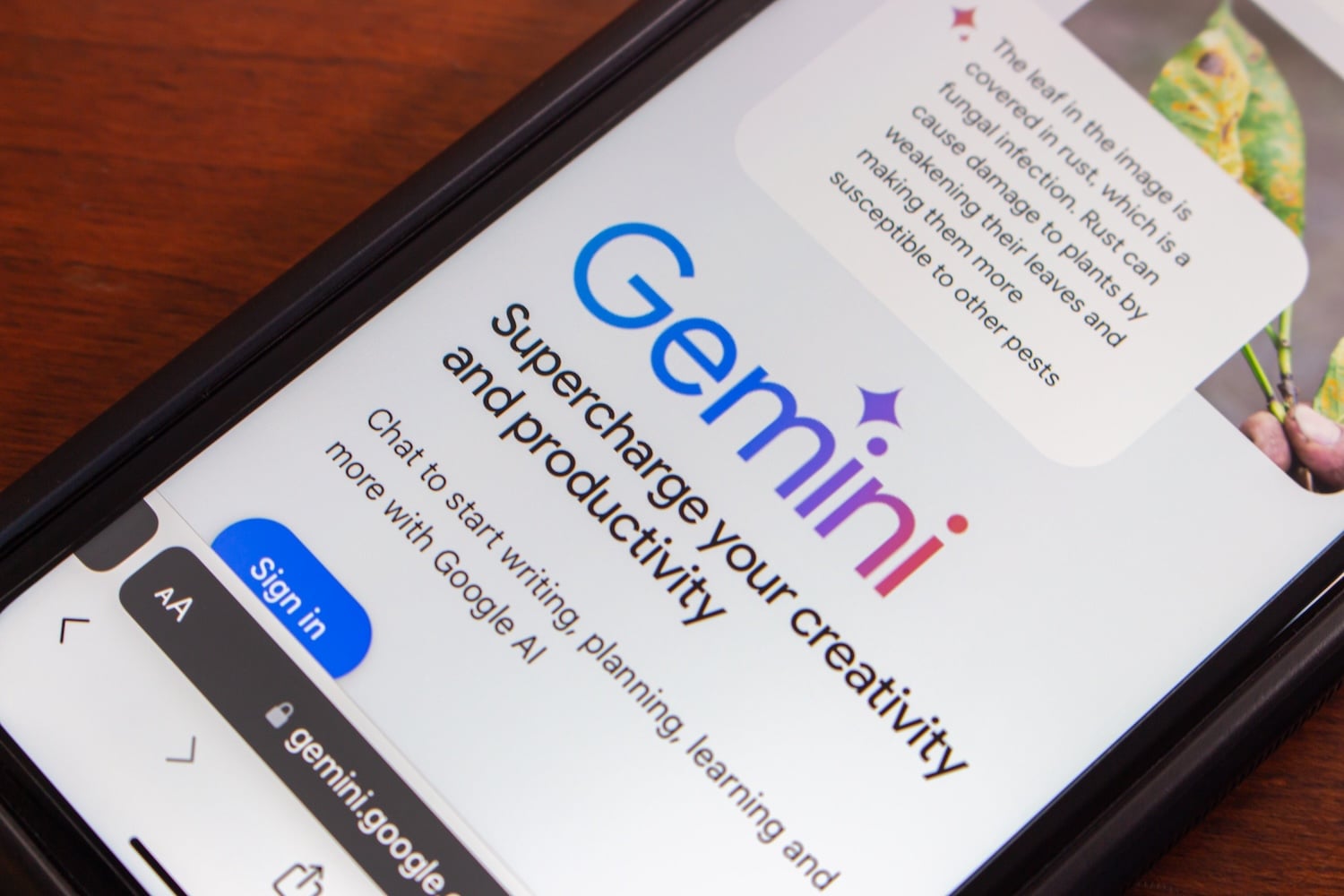
Gemini Live Avatar launched Thursday as an addition to Google DeepMind’s Gemini 3.8 Live product, giving the real-time voice assistant a visible animated face during spoken conversations. The feature was announced directly on DeepMind’s blog less than an hour before this report.
It targets a specific gap in voice AI products, the lack of any visual anchor while an assistant is speaking.
Key Takeaways
- Gemini Live Avatar launched Thursday as an addition to Google DeepMind’s Gemini 3.8 Live product
- The feature gives Gemini Live an animated face that reacts and moves during spoken conversations
- Google has limited the rollout to Gemini 3.8 Live rather than the full Gemini consumer app
- DeepMind announced Gemini Live Avatar on its blog less than an hour before the report
Gemini Live is Google’s real-time conversational mode, a version of the Gemini model tuned to hold spoken, low-latency dialog rather than the turn-based typed exchanges most chatbots use.
Until now, using Gemini Live meant talking to a blank screen or a waveform icon, the same limitation that has followed AI voice assistants since Siri.
The Live Avatar gives the model an animated visual presence that reacts and moves while it talks, aiming to close the gap between hearing an AI and seeing one respond.
The distinction matters because voice interfaces have struggled with a trust problem that text interfaces do not share. A chat window shows its work, scrolling text a user can re-read.
A voice-only assistant offers no such visual record, so users often distrust or disengage from purely audio AI products, one reason smart speakers plateaued commercially.
An avatar reintroduces the visual cue that seems to keep users engaged, borrowing a page from video call interfaces rather than voice-only ones.
From Text Boxes To Talking Heads
Google has iterated on Gemini’s live capabilities repeatedly through 2026, expanding the underlying model’s memory and multimodal reach. DeepMind’s broader push has included Google Beam, a separate real-time communication expansion the lab detailed within the past day, extending live features to new regions and partners according to the company’s post.
Both efforts point toward the same strategic bet, that real-time, embodied AI interfaces will differentiate Google’s assistant from OpenAI’s and Anthropic’s largely text-first products.
Also Read: Google DeepMind Ships Gemini 3.8 Live With Watermarked Audio
Why A Face Changes The Calculus
Adding a face to an AI voice product raises the design stakes considerably.
A poorly animated avatar can trigger the “uncanny valley” effect, where a near-human face reads as unsettling rather than reassuring, undermining the very trust the feature is meant to build.
Google’s rollout is narrow for now, tied specifically to Gemini 3.8 Live rather than the full Gemini consumer app, suggesting the company is testing reception before wider deployment.
The launch lands the same week rival labs are racing on multimodal fronts elsewhere, from Meta’s Muse agent to OpenAI’s agent memory work, making visual presence one more axis of competition beyond raw model benchmarks. Whether users prefer a face to a waveform is an open question Google appears willing to test in public rather than in a lab.
Read Next: OpenAI Latest GPT-6 Cache Update Adds Cost, Latency Controls