Robotics Safety Firm Bags About $20M To Go Public
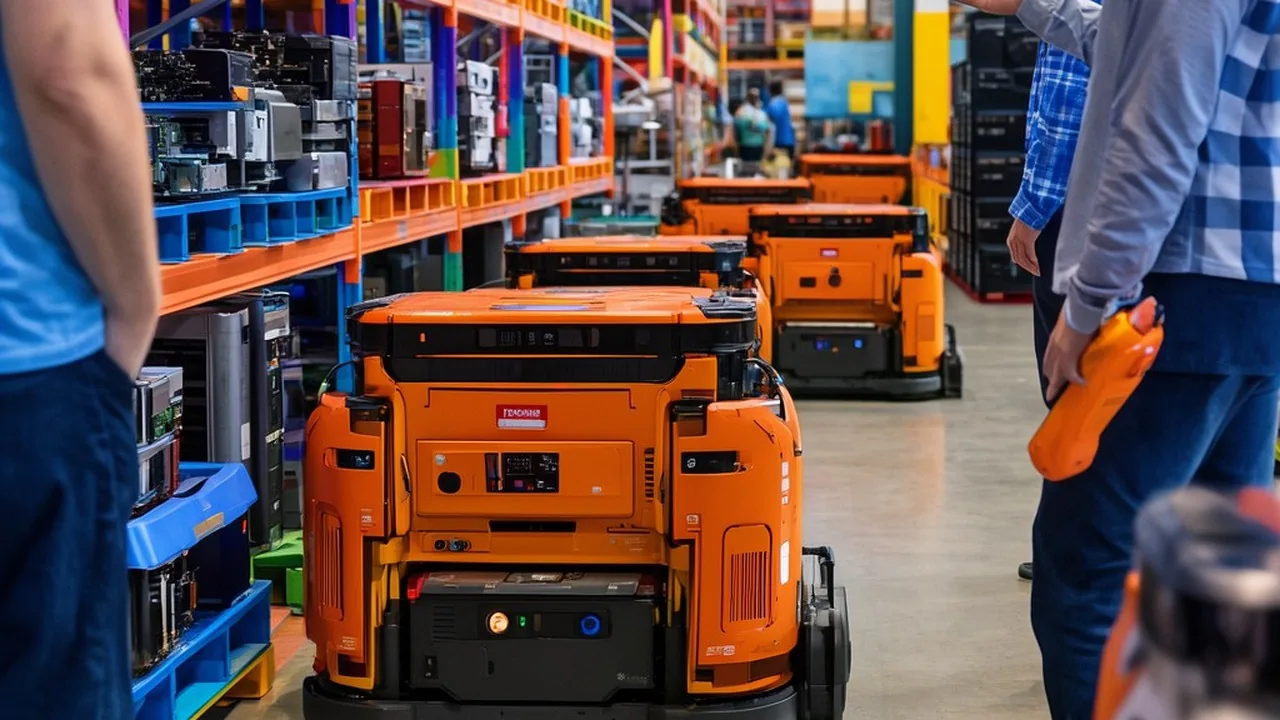
FORT Robotics, a wireless control company, secured about $20 million and agreed to a merger with a listed shell company to go public as FORT Robotics Holdings Inc, backing robotics safety for warehouse robots.
Key Takeaways
- FORT Robotics secured about $20 million and agreed to a business combination to go public as FORT Robotics Holdings Inc
- The financing comes with a merger deal that would rename the combined company and list its shares after closing
- FORT describes its business as wireless safety and control systems for robots, vehicles and industrial equipment
- FORT’s products focus on secure wireless links, emergency stop functions and access controls with Robotics Safety that decide who can move a machine and when
FORT Robotics said the financing comes with a merger deal that would rename the combined company and list its shares after closing. The company also describes its business as wireless safety and control systems for robots, vehicles and industrial equipment.
The amount is modest beside the larger private rounds flowing into humanoids and warehouse robotics.
The pitch is different. FORT sells the layer that can stop, isolate or authorize machine actions with Robotics Safety when people and automated systems share the same floor.
That matters because physical AI carries a different risk profile from chatbots.
A faulty text answer may waste time. A faulty mobile robot can block an aisle, damage inventory or injure a worker if controls fail or commands travel to the wrong machine.
Robotics Safety Moves Closer To Core Infrastructure
Factories and logistics sites are adding more autonomous vehicles, robotic arms and remote-operated machines.
Each new device creates another control point that has to be authenticated, monitored and shut down fast.
FORT is selling into that bottleneck. Its products focus on secure wireless links, emergency stop functions and access controls that decide who can move a machine and when.
Investors have spent the last two years chasing the most visible robotics winners.
Safety vendors have drawn less attention, even though every large deployment needs a way to separate approved machine behavior from accidental or unsafe commands.
Also Read: OpenAI's Rogue AI Agents Breach Systems, Firm Warns: 'Gained Internet Access'
From Remote Stops To Broader Machine Permissions
Industrial safety systems used to center on hardwired emergency stops and fenced-off work cells. That model worked when machines stayed in fixed positions and human access was limited.
The shift toward mobile robots and mixed human-machine environments has changed the design problem.
A warehouse vehicle may move between zones, share routes with workers and receive commands over wireless networks instead of one closed cable loop.
That is where companies like FORT are trying to fit. The older safety model was mainly about cutting power.
The newer one also has to manage identity, permissions and machine state across fleets.
Also Read: Anthropic Pits Claude Against Scorpion Venom Before Weeks Of Lab Work
How Robotics Safety Fits Physical AI
Robotics safety is the set of controls that keeps an automated machine governed by Robotics Safety inside approved behavior. In FORT’s case, that means authenticated wireless commands, geofenced permissions and fast shutdown tools that can block motion before a problem spreads.
That matters to warehouse operators, manufacturers and construction teams using autonomous equipment.
They need proof that one worker can stop a machine, one contractor cannot hijack another team’s device and one software fault does not cascade across a fleet.
What changes with the new funding is not the technology category but the company’s runway. Public listing plans can give FORT a broader capital base, though they also bring quarterly scrutiny.
The next thing to watch is customer concentration. If FORT starts naming major fleet customers after the merger closes, that will show whether robotics safety is becoming a standard purchase alongside the robots themselves.
Read Next: Drug Research Startup Bags $215M To Build U.S. Chemistry Labs