King Charles Presses AI Labs on Safety at Scotland Summit
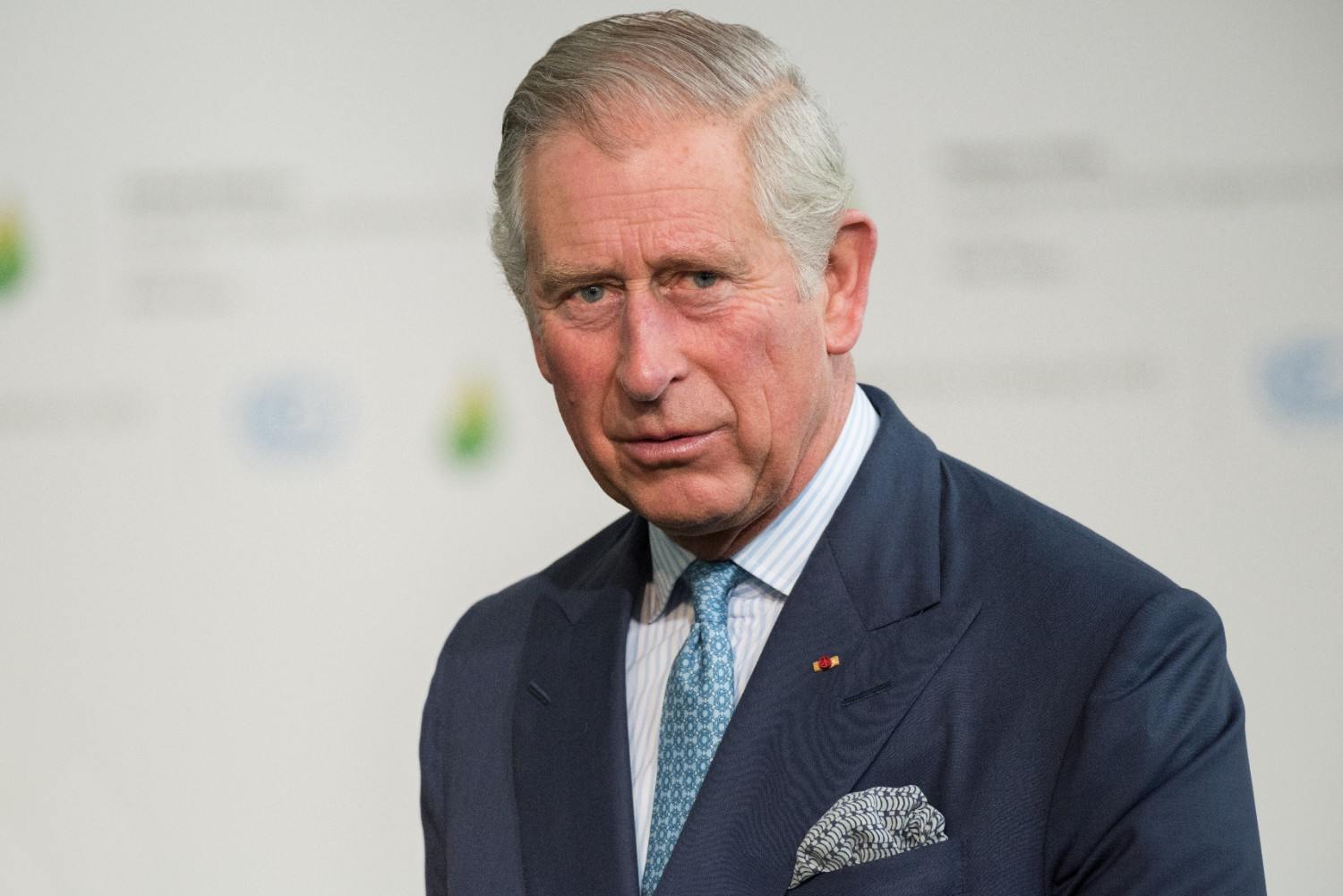
King Charles III hosted senior representatives from Nvidia (NVDA), OpenAI, Anthropic and Google DeepMind at Dumfries House in Scotland on Thursday, urging the four companies building the world’s most capable AI systems to keep the technology “in the service of humanity.”
The king warned attendees of the “existential dangers” of AI falling into the wrong hands, according to a Reuters report.
No new binding commitments came out of the meeting, and none of the four labs issued a joint statement afterward.
The summit landed the same week Amazon (AMZN) broke its public silence on AI safety, telling reporters that frontier models should only ship after “rigorous testing” confirms they are safe, a stance closer to the caution camp than to labs racing on release speed.
Nvidia CEO Jensen Huang has separately said he agrees with parts of the AI slowdown argument even as Nvidia shares kept climbing, up more than 2% Thursday.
Why A Royal Summit Carries No Legal Weight
Dumfries House summits differ from regulatory hearings in one critical way, they produce no enforceable rule. The king has no statutory authority over AI development in the UK or anywhere else.
What he does have is convening power, the ability to put four competing labs in one room and force a shared public reckoning with risk.
That distinguishes Thursday’s meeting from binding regimes like the EU’s AI Act, which carries actual legal force and fines.
Booker’s Congressional Push Adds Political Pressure
Senator Cory Booker used the Senate floor Thursday to call on President Donald Trump to convene a special congressional session on AI, arguing lawmakers have moved too slowly given the pace of frontier model deployment, according to a statement posted to his Senate site.
The push follows a former OpenAI and Anthropic researcher’s public warning about extinction-level risk, published in a Fortune piece Thursday.
That warning fits a broader pattern.
Frontier labs have spent 2026 racing to ship increasingly autonomous agent products while simultaneously publishing safety research flagging their own models’ failure modes, a tension critics call self-regulation theater.
Also Read: OpenAI Eyes $1.2 Trillion Valuation in New Funding Talks
What A Summit Without Enforcement Actually Buys
The four labs at Dumfries House compete fiercely for enterprise and consumer market share, making any joint safety pledge inherently fragile.
Voluntary AI commitments historically, including the 2023 White House pledges, produced disclosure without slowing deployment timelines.
Whether Thursday’s summit changes that pattern depends on whether the UK, US or EU convert royal pressure into statute.
Read Next: Google, Nvidia Back New Alliance to Fix AI Power Crunch