AI Data Center Pipeline Jumps 52 GW In One Month To 456 GW, And The Grid Can’t Keep Up
The AI data center pipeline jumped 52 gigawatts in September to 456 gigawatts, a 13% rise in a single month that is pushing power grids to their limits, Bernstein reported.
Key Takeaways
- Bernstein reported the data center pipeline reached 456 gigawatts in September
- The pipeline increased by 52 gigawatts month-over-month, a 13% rise per Bernstein’s figures that included 3.9 gigawatts of hyperscaler growth
- A project pipeline is a running list of proposed and developing sites measured in power terms, not built capacity
- Bernstein’s update said the pipeline includes sites in planning, sites under partial approval and sites under construction
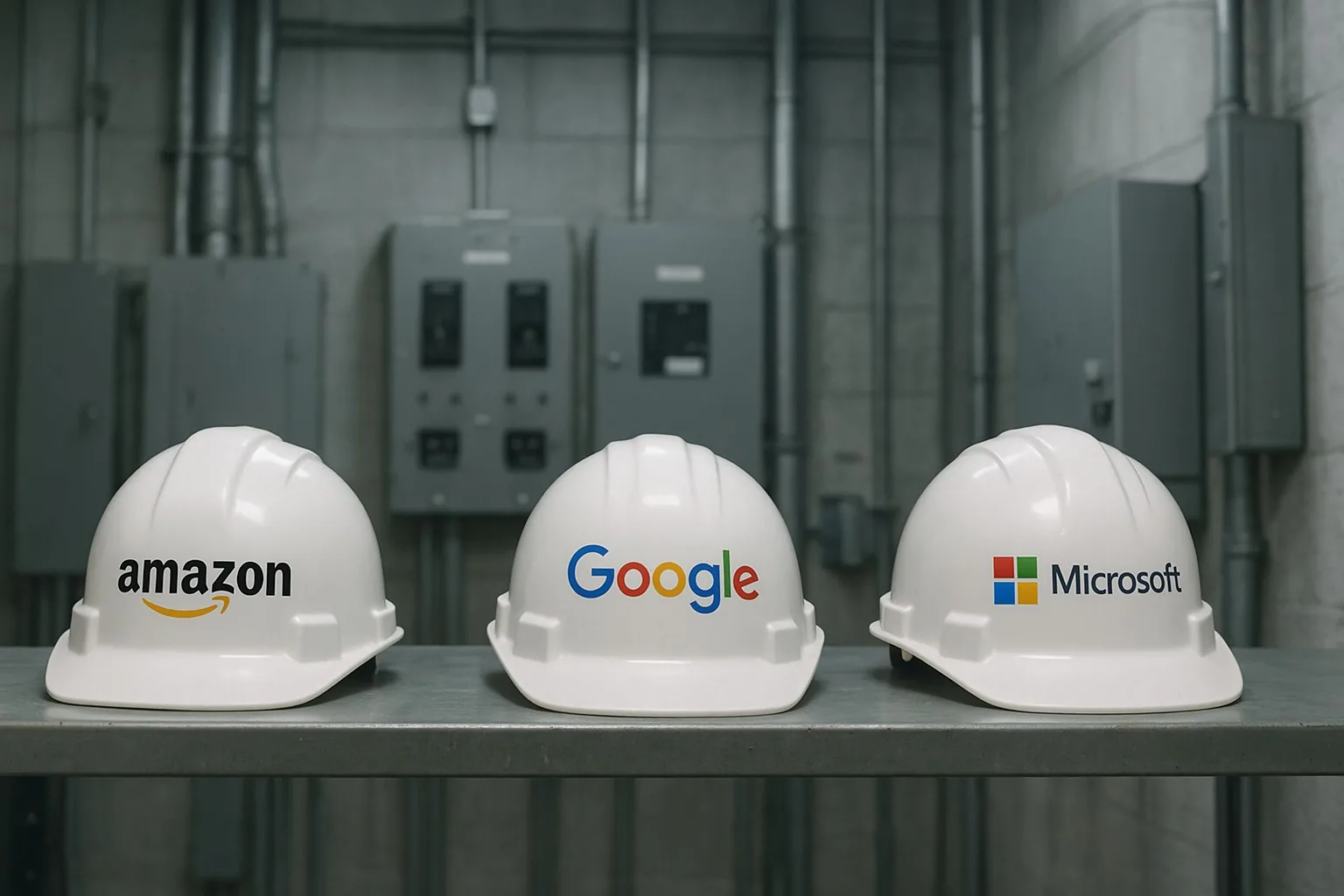
Bernstein’s latest figures, shared on X, include the 13% month-over-month rise and 3.9 gigawatts of hyperscaler growth from Amazon, Google and Microsoft. Those companies are the biggest buyers of AI servers, networking gear and grid-connected sites, so their pipeline acts as a live demand meter for the rest of the stack.
A project pipeline is not built capacity but the running list of proposed and developing sites, measured in power terms because gigawatts decide how many servers a campus can eventually hold.
Power Becomes The AI Chokepoint
The important number is not only 456 gigawatts.
It is the speed of accumulation, and adding 52 gigawatts in one month suggests developers are still advancing projects despite debt concerns, permitting delays and utility backlogs.
That matters for AI because models need physical infrastructure before they need software optimization. A frontier model can be trained only if a company secures chips, cooling, land, fiber and electricity at once.
The hyperscaler share is also revealing. Amazon, Microsoft and Google are still setting the pace, which means independent developers are racing to secure future tenants before grid access hardens into a moat.
The Buildout Comes After Earlier Warnings
This new data extends a pattern that has been building for months.
Earlier estimates already showed AI power demand rising much faster than utilities usually plan for, with transformer shortages and interconnection queues emerging as real bottlenecks.
Those earlier warnings treated electricity as a medium-term issue. Bernstein’s September figures make it a near-term one.
A large project pipeline does not guarantee delivery, but it does show how much demand is lining up behind the same constrained inputs.
Also Read: One Task Can Take Hundreds Of AI Calls, So Here’s When An Agent Is Actually Worth It
Last week, concerns about AI infrastructure debt were also rising as investors weighed how much capital can stay tied up in long construction cycles before revenue begins, and pipeline growth magnifies that risk because more projects are competing for the same grid timeline.
What The Data Center Pipeline Really Measures
A data center pipeline is closer to a development ledger than a factory count, including sites in planning, sites under partial approval and sites under construction. Because AI clusters draw huge electrical loads, the power figure is often more useful than floor space.
For investors, the next watchpoint is conversion, how much of the 456 gigawatts moves from paper to shovel and how much stalls in interconnection queues.
For suppliers, the pipeline points to sustained demand for cooling, transformers, switchgear and optical networking, not only GPUs.
Hyperscaler Additions And Implications
The 10.1 gigawatts from hyperscalers is the sharpest line in the update because it compresses several bets into one figure. Each additional gigawatt implies land acquisition, utility negotiations, server procurement and a view that AI demand will stay high for years.
For Amazon, Google and Microsoft, pipeline growth is partly a hedge against future scarcity.
If power becomes the rarest input, companies will want options across more geographies than they immediately need. Smaller cloud rivals face the opposite problem because they are competing not only on software and price, but on access to electricity that may already be reserved.
What To Watch In The Next Monthly Data Center Pipeline Print
Watch the next monthly update for two things.
First, whether hyperscaler additions stay above 10 gigawatts. Second, whether non-hyperscaler developers keep pace or begin to fall behind.
If that gap widens, the data center pipeline will start to describe market concentration as much as raw AI growth.
Read Next: Samsung Targets AI Chip Tape-Out Delays With Synopsys Design Checks