OpenAI And PixVerse Give Brands A Playbook To Tame AI Video
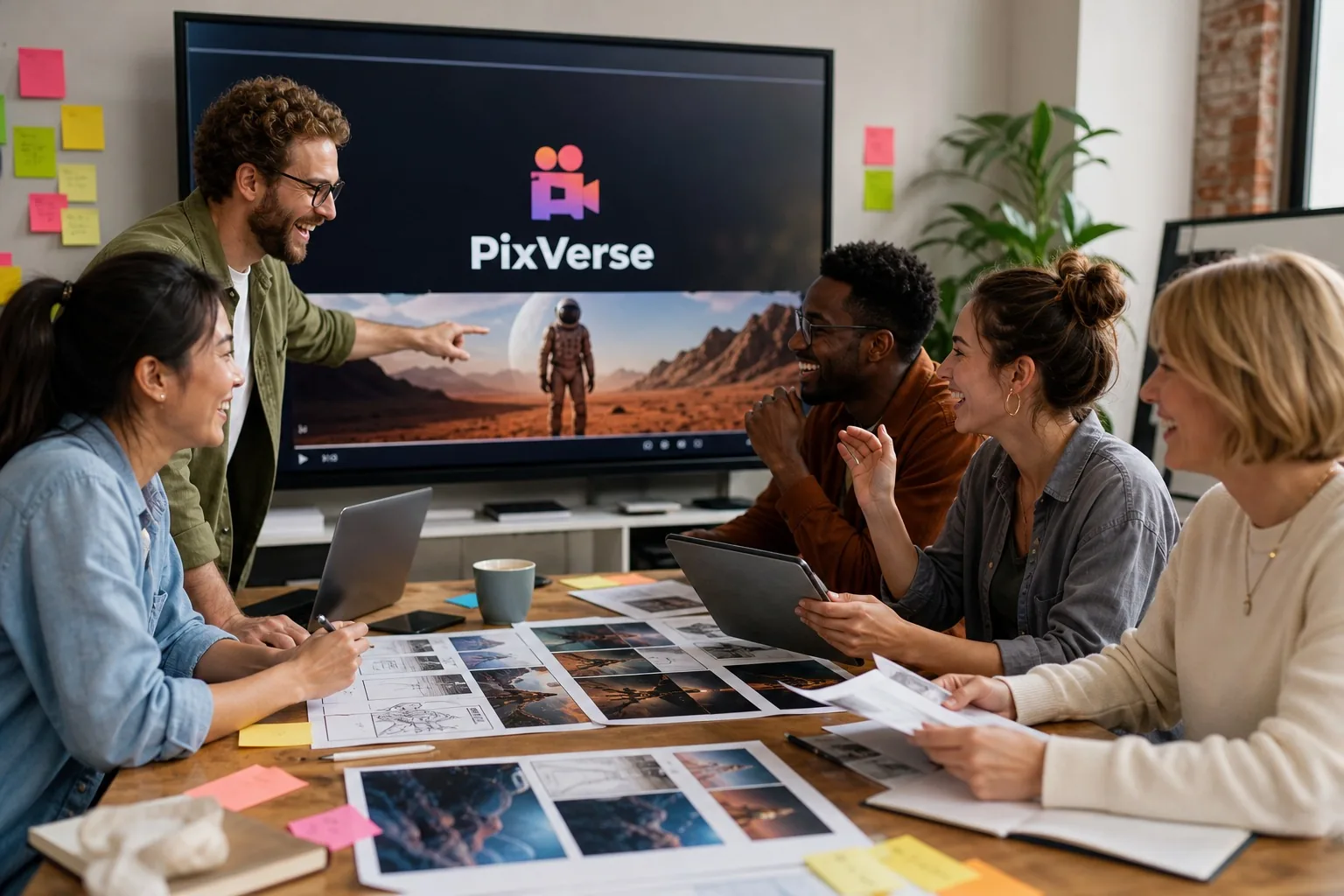
OpenAI and PixVerse, an AI video company, launched Prompt To Production to help brands make AI videos faster with fewer mistakes and quicker approvals.
Key Takeaways
- PixVerse and OpenAI launched Prompt To Production to teach teams how to turn prompts into repeatable AI creative workflows and improve enterprise processes
- The program is designed for people and teams already using AI in content production
- Prompt To Production teaches structuring reviews, versioning outputs and deciding when a model result is good enough to ship
- For OpenAI the collaboration extends its enterprise strategy, and for PixVerse the curriculum gives a route into larger teams needing process support
The program is designed for people and teams already using AI in content production, and PixVerse builds AI video and media tools for creators and brands that want faster production cycles. said
The news matters because creative AI adoption has moved past novelty, and the harder problem for agencies and in-house teams is not generating one impressive clip but building a process that editors, marketers and legal teams can repeat without chaos.
PixVerse And OpenAI Training Targets Workflow, Not Just Prompt Tricks
Prompt To Production frames AI as an operational tool rather than a talent replacement story. Most teams already know how to type prompts.
Far fewer know how to structure reviews, version outputs and decide when a model result is good enough to ship.
That gap is where vendors now compete. The most useful AI products in creative work are the ones that reduce revisions, shorten handoffs and make output quality predictable.
For OpenAI, the collaboration extends its enterprise strategy without requiring a fresh consumer launch.
For PixVerse, attaching its product to a named training curriculum gives it a route into larger teams that need process support, not just software access.
Also Read: OpenAI And Rockefeller Hand Cities $50M To Fix Slow Help Desks
The Creative AI Market Is Shifting To Repeatable Output
The AI creative market spent the past two years proving what models could generate. Video systems, image systems and script tools all improved fast.
What lagged was production discipline. Individual creators could move quickly, but larger organizations struggled to standardize quality.
A brand manager wants consistency. A studio wants approval trails.
A legal team wants evidence about where a clip came from and what model touched it.
That is why training has become part of the product. Vendors increasingly package software with instruction because software alone does not solve the workflow problem.
A team with weak review rules can waste as much time on AI as it saves.
Buyers Want Fewer Surprises In AI Production
The immediate test for Prompt To Production is whether it changes spending decisions. Enterprise creative teams already face crowded choices across model providers, editing software and asset management tools.
A program that shows clear workflow gains can help a buyer justify a wider rollout.
The longer-term issue is stickiness. Once a team builds its internal process around one vendor’s prompt templates, review stages and output standards, switching costs rise.
That is one reason education programs matter more than they appear. If Prompt To Production becomes a shared playbook, PixVerse could win more than attention, it could win the habits that decide where teams create, review and publish AI-generated work.
How Prompt To Production Fits AI Teams
PixVerse and OpenAI training matters because creative teams rarely fail on generation alone.
They fail on handoffs. A designer in PixVerse may get a useful draft in minutes, but a producer still needs naming rules, review checkpoints and an agreed way to store the approved version.
When OpenAI joins a curriculum like Prompt To Production, the product lesson becomes a systems lesson.
For agencies, in-house brand studios and social video teams, that changes what “AI adoption” means. Before, training often meant isolated prompt tips from one power user.
Now it means teaching a group how one tool feeds the next, how outputs get checked and who owns the final cut.
The next thing to watch is whether PixVerse turns that curriculum into certifications, partner programs or templates that lock those workflows into daily use, and whether PixVerse and OpenAI can make those habits portable across organizations. PixVerse and OpenAI together could shape where teams create, review and publish AI-generated work.
Read Next: Salesforce Puts AI Helpers Inside Sales Software To Cut Busywork