Audit Software Maker DigitalXForce Sends AI After Missing Proof
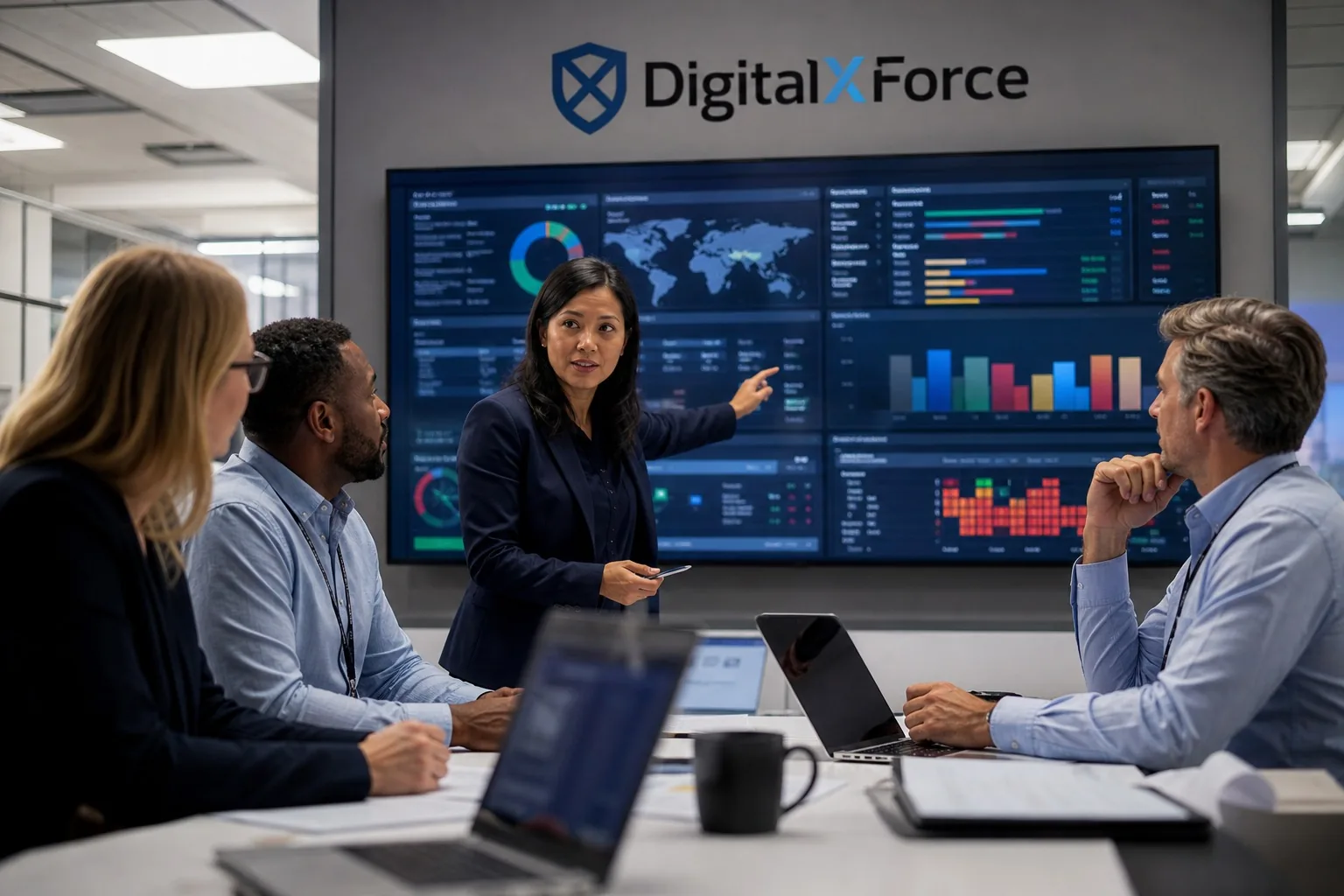
Business software company DigitalXForce says Global X-ROC is a new tool that tracks down missing audit paperwork and approvals live, helping compliance, security and audit teams spot problems faster.
Key Takeaways
- DigitalXForce launched Global X-ROC as a live operating layer to speed evidence gathering and action for compliance, security and audit teams
- Global X-ROC extends the company’s TRiSCM platform into continuous risk operations
- The company did not disclose customers, contract values, deployment counts, pricing, rate limits, supported regions or commercial tiers
- DigitalXForce says X-ROC drafts requests, maps controls to owners and flags missing approvals while leaving final signoff to humans
The company said Global X-ROC extends its TRiSCM platform, short for trust, risk, security and compliance management, into what it calls continuous risk operations. The same framework many U.S. companies use for AI governance emphasizes measurement, monitoring and human oversight.
AI Risk Operations Move Past Dashboards
DigitalXForce frames Global X-ROC as more than recordkeeping.
It routes work, gathers evidence and assigns action where many governance, risk and compliance (GRC) products act primarily as databases. Large companies often scatter policy checks across audit, security and legal teams, exporting screenshots, logs and approvals into shared folders or email threads.
AI risk operations aims to compress that chain into a single workflow engine.
The release positions Global X-ROC for global rollout rather than a lab pilot, signaling that DigitalXForce expects regulated buyers to treat the product as production software for supplier onboarding, incident response and model deployment. The company did not disclose customers, contract values, deployment counts, pricing, rate limits, supported regions or commercial tiers in the announcement, so availability beyond the general rollout claim and real-world capacity limits remain unverified.
From GRC Records To Operating Systems
Enterprise software is shifting from proving controls existed to proving controls ran, who approved them and whether exceptions were handled on time.
That shift is important in AI because model risk can change between inspections. A model approved in July with prompt or connector changes by August can present a different risk profile by October.
Static control libraries struggle to keep pace.
Also Read: AI Startup Arms Software Bots With Live Data From Billions Of Pages
DigitalXForce is among vendors pushing GRC toward operational software that triggers tasks automatically. Its TRiSCM branding broadens the scope to trust and security as well.
What matters to buyers is whether X-ROC integrates with existing systems or forces a new silo.
Where The Rollout Faces Pressure
The central practical challenge is trust from control owners. Security chiefs need clean evidence trails, internal auditors need repeatable records, and legal teams insist humans retain final authority on high-risk calls.
If Global X-ROC only summarizes controls it will compete with many tools. If it can gather evidence, preserve approvals and route exceptions without breaking audit trails, it becomes operationally valuable.
The release leaves open the most important operational details for enterprise adoption.
These include references, regulator-facing use cases and connectors to existing platforms. Without named customers or integration specifics, buyers and investors will watch for proof that X-ROC plugs into systems like cloud logs, identity tools or CRM platforms rather than adding another console to check.
How global x-roc Helps Shorten Audits
DigitalXForce presents Global X-ROC as a command center over traditional GRC stores such as ServiceNow, Archer or spreadsheet-driven processes, which typically do not autonomously chase missing evidence.
X-ROC is pitched to draft requests, map controls to owners and flag missing approvals in minutes while leaving final signoff to humans, a narrower automation lane that preserves auditability if implemented cleanly.
The next signals to watch are named customers, integration partners and published operational limits that show whether the launch reflects everyday availability or a demonstration-stage capability.
Read Next: Semantic Scholar Lab Unleashes Free Tool That Finds Papers Searches Miss