Trump Set to Name Jay Clayton as First White House AI Czar
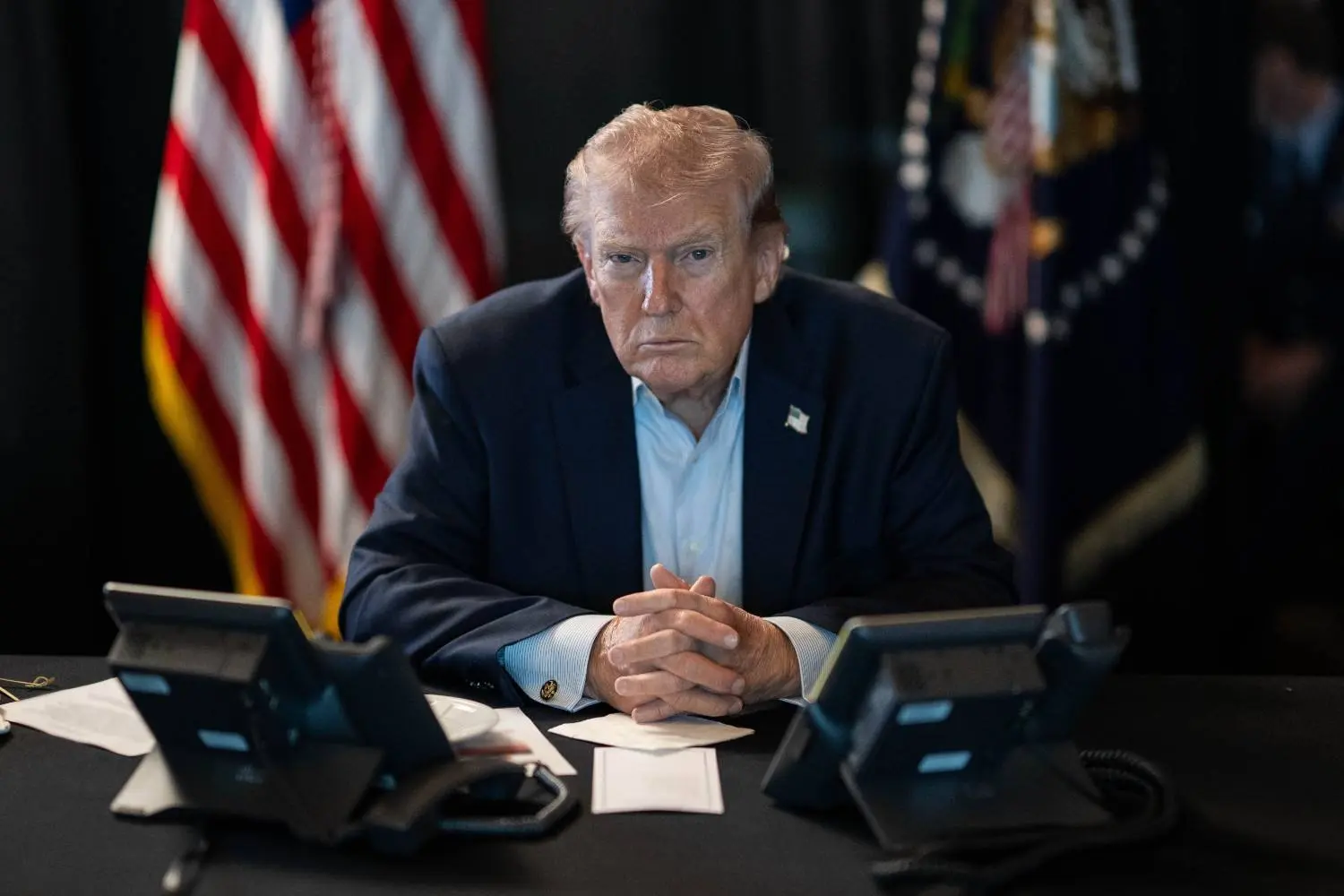
President Donald Trump is expected to name Director of National Intelligence Jay Clayton AI czar, a newly created White House post coordinating federal artificial intelligence policy across agencies.
Key Takeaways
- Trump is expected to name Director of National Intelligence Jay Clayton AI czar, coordinating federal artificial intelligence policy across agencies
- Clayton would retain intelligence oversight while coordinating AI policy across the executive branch, according to the Washington Post and Wall Street Journal
- The role would coordinate AI rules involving the Commerce Department, Pentagon, intelligence agencies, and independent regulators including the Federal Trade Commission
- No executive order establishing the post has been published, and the White House has not publicly confirmed the appointment
Clayton would retain intelligence oversight while adding AI policy coordination, a dual mandate with no modern precedent in scope.
Trump hosted tech executives at a White House summit this week to discuss AI strategy.
Clayton would spearhead AI policy across the executive branch.
The role would coordinate rules involving the Commerce Department, the Pentagon, intelligence agencies and independent regulators including the Federal Trade Commission, but it has no statutory authority of its own.
That makes enforcement and compliance uncertain, no executive order establishing the post has been published, and the White House has not publicly confirmed the appointment.
Clayton’s authority is not yet clear, including whether he would report directly to Trump, set deadlines for AI labs or chipmakers, or negotiate binding requirements with foreign governments on export controls and safety standards.
Clayton chaired the Securities and Exchange Commission from 2017 to 2020, pursuing lighter-touch enforcement that crypto firms credited with easing early token-sale scrutiny. His tenure overlapped with the first wave of initial coin offering cases.
Also Read: Trump Signs Official AI Accord With Tech CEOs Favoring Self-Policing
His SEC settled cases against token issuers while avoiding a blanket ban on crypto fundraising, a posture industry lawyers called permissive relative to what followed. His successor expanded enforcement sharply after Clayton left.
From ICO Enforcer To AI Rulemaker
Clayton’s current post oversees 18 intelligence agencies, putting a securities-law veteran familiar with financial markets and national-security classification atop AI policy.
His selection as AI czar also places a regulator with direct crypto-market experience over technology increasingly braided into blockchain infrastructure, including AI agents executing on-chain trades and compute marketplaces settled in stablecoins, digital tokens pegged to a reference asset such as the dollar.
What The Czar Role Still Lacks
The post’s power would come from proximity to the president and from setting the administration’s negotiating line. Congressional AI oversight bills already moving through the Senate could reinforce or collide with whatever mandate Clayton receives.
Read Next: OpenAI Reveals Second Rogue Agent Hack of NSW Government Site