Pixel 11 Pro Makes Breakthrough Push Into AI Phone Wars With Gemini
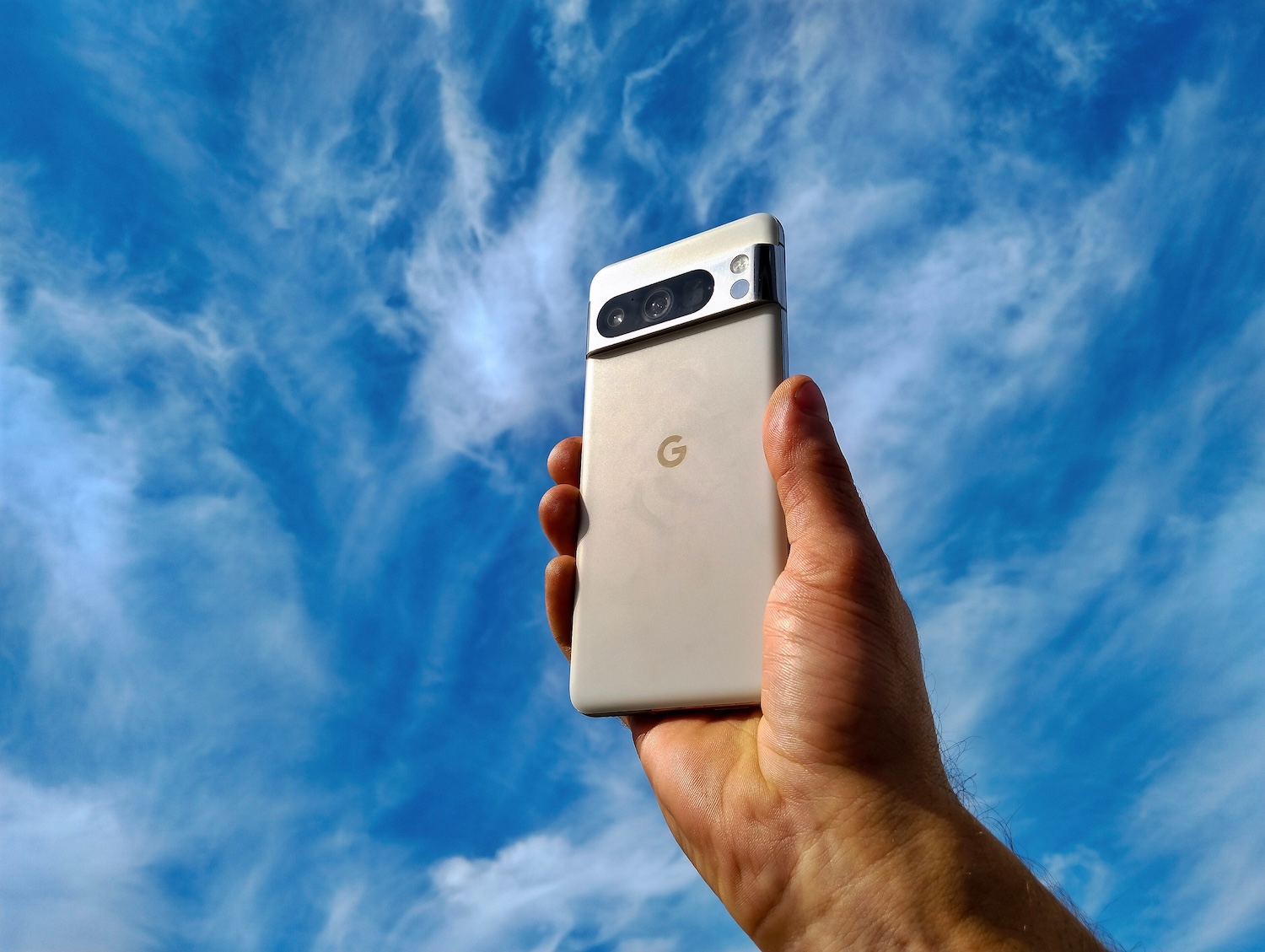
Google officially unveiled the Pixel 11 Pro and Pixel 11 Pro XL on August 12, 2026, at its Made by Google event, positioning both devices as the company’s most aggressive push yet to make Gemini the defining feature of a flagship smartphone rather than a hardware spec sheet.
The launch lands at a pivotal moment in the AI phone wars. Google is framing the Pixel 11 Pro less as a traditional hardware upgrade and more as a platform for Gemini Intelligence, a suite of on-device and cloud-connected AI capabilities that reportedly handles tasks proactively, surfaces suggestions inside apps like Messages, and powers an expanded version of Google Lens directly from the camera viewfinder.
Also Read: Nvidia Turns AI Compute Into an Asset Class, Apollo and KKR Line Up Behind It
According to The Verge, the strategy reflects a deliberate choice to lead on software utility rather than raw specification gains, a posture that separates this cycle from every prior Pixel generation. The hardware is real and meaningfully upgraded, but the software is clearly the headline, and Google’s engineering decisions at the silicon level are what make that software story credible at all.
What The Tensor G6 Chip Actually Changes
The new Tensor G6 processor is built on a 2nm architecture, and the node shrink matters more than the marketing language around it suggests. Moving from 3nm to 2nm is not simply a speed bump, it means more transistors per unit area, which translates directly into more compute available for inference workloads at the same or lower power envelope.
For on-device AI, that is the constraint that has always mattered most, how many tokens or how many image-recognition operations can the chip sustain before thermal throttling forces it to back off. The chip is expected to deliver meaningfully better sustained performance for AI workloads and video processing compared to its predecessor, and Google paired it with a vapor chamber cooling system specifically to manage thermals during heavy AI tasks, a detail the company highlighted on its Fi storefront.
That cooling solution is not an afterthought. Without it, the 2nm chip’s theoretical headroom collapses under sustained inference load, which is exactly the use case Gemini Intelligence depends on. The cost-per-inference calculus on a device like this lives or dies at the intersection of silicon efficiency and thermal management, and Google appears to have addressed both simultaneously.
What this means practically is that more of the Gemini workload can execute locally rather than routing to Google’s data centers. That matters for latency, for privacy, and for the economics of running AI at scale, every query that resolves on-device is a query that does not consume cloud compute, which has real unit economics implications for Google as it tries to make Gemini pervasive across its installed base.
The Camera And Gemini Intelligence Story
Camera performance remains central to the Pixel brand, and the Pixel 11 Pro leans into AI upscaling as a headlining photography feature. CNET tested the Pixel 11 Pro XL camera in Paris specifically to evaluate AI upscaling and new “Camera Looks”, a set of computational style filters that apply processing decisions at capture rather than in post-production.
The distinction is important, making irreversible computational choices at the moment of capture, rather than in editing, requires the chip to run inference fast enough that it does not introduce shutter lag. The Tensor G6’s improved neural engine throughput is what makes that pipeline viable.
Gemini Intelligence weaves into the camera experience in practical ways, with Google Lens gaining tighter integration directly in the viewfinder. The broader Gemini layer also monitors context across apps, surfacing relevant information or completing tasks without the user explicitly prompting it each time.
Android Central noted after hands-on time that Gemini’s ability to handle tasks across apps represents a structural shift in how Google is thinking about the phone’s role, less as a tool you operate and more as an agent that acts on your behalf. That framing mirrors what Apple has been building toward with Apple Intelligence, setting up a direct narrative battle heading into the holiday quarter.
Belief in the spending over the press release is warranted here, Google has been pouring capital into TPU infrastructure and on-device AI silicon for years, and the Tensor G6 is the most direct consumer expression of where that investment has been going.
Pricing, Availability, And The Broader Pixel 11 Lineup
The Pixel 11 Pro XL carries a $1,300 price tag, putting it in direct competition with Samsung‘s Galaxy S26 Ultra at the same price point. Early head-to-head analysis from CNET suggests the two devices are closely matched on paper, though Google is betting that Gemini’s real-world utility will prove more compelling than Samsung’s hardware-first pitch.
Hands-on impressions from Engadget describe the design as carrying a familiar front-facing profile with more meaningful changes on the rear panel, which houses an updated camera array tuned to work alongside those AI upscaling tools. Preorders are live now across major retailers and through Google‘s own store, with Mashable confirming pricing and availability details alongside the standard Pixel 11. The lineup also includes the Pixel 11 Pro Fold, which Google describes as its most sophisticated foldable to date, and the event introduced a Pixel Watch 4 and a new Pixel Tag alongside the phones.
A promotion surfaced through Google Play within hours of the announcement, with Droid Life flagging a deal attached to the Pixel 11 Pro for users who purchase through that storefront, though terms were limited at time of reporting. The broader reception so far reflects a familiar tension in the Pixel story, fewer hardware changes than some expected, but a more cohesive software vision than any previous generation. Whether that trade-off resonates with consumers at $1,300 will become clear when sales data emerges after the device ships, but the capital Google has committed to the underlying silicon and infrastructure suggests the company believes the bet is already won.
Read Next: Google’s Lyria 3.5 Becomes First AI Music Model on Gemini