Work AI Maker Tec-Do Bets Its New Bot Can Unlock Team Budgets
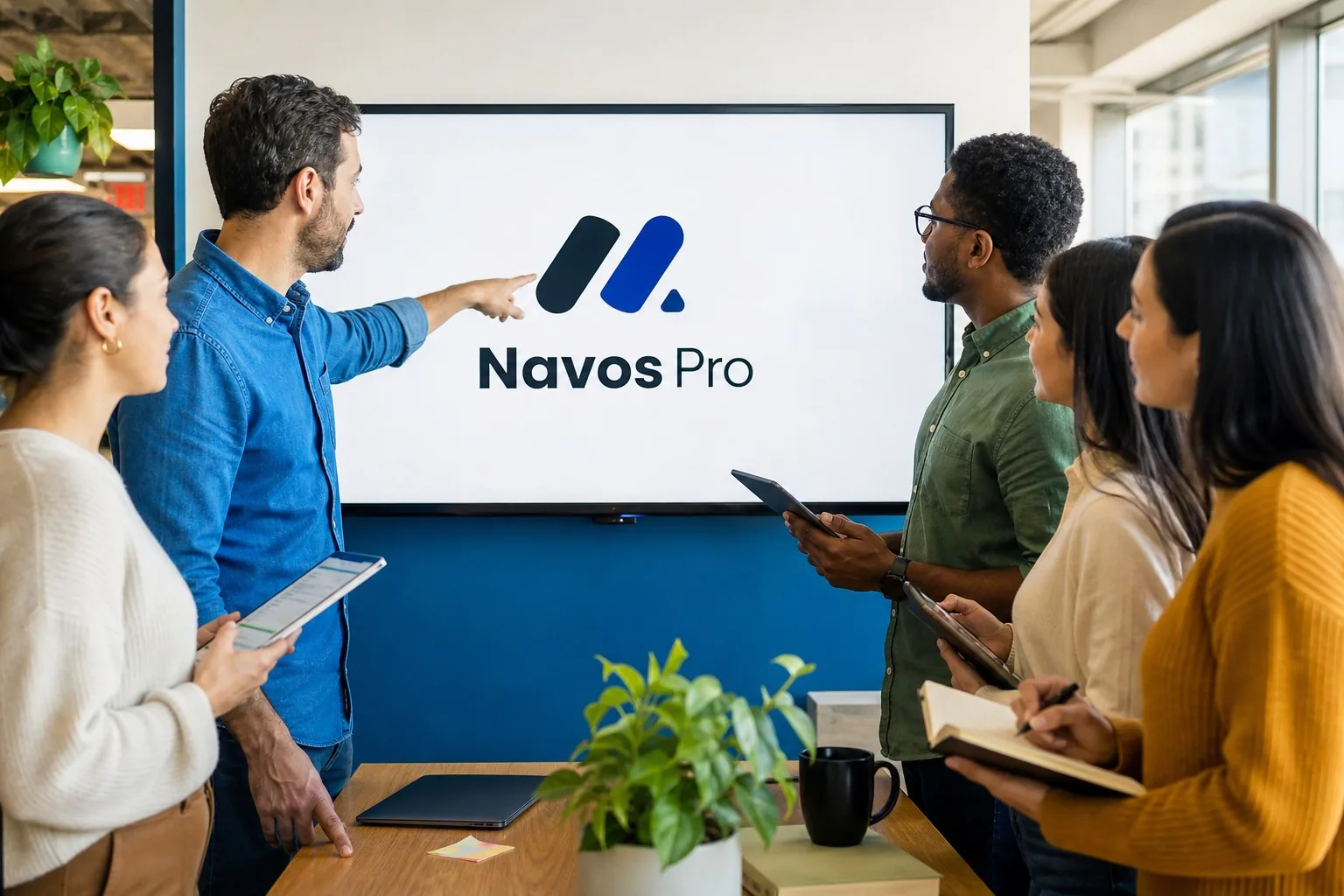
Tec-Do, a workplace software company, unveiled Navos Pro at TGC 2026, saying the new work bot can handle routine office jobs and prove whether it saves companies money.
Key Takeaways
- Navos Pro was introduced at TGC 2026 as a product for results-driven AI for work
- Tec-Do framed itself around growth technology, automation and performance tooling for enterprise customers
- Tec-Do pitched Navos Pro as a Pro-Agent tuned for repeatable business tasks rather than a general assistant
- Navos Pro must manage memory, handle permissions, call tools and provide verification so teams can treat the agent as a worker
Tec-Do said Navos Pro was introduced at TGC 2026 as a product for results-driven AI for work, and the company frames itself around growth technology, automation and performance tooling for enterprise customers. That framing matters because enterprises are moving from budgeted drafting and summarizing to demanding agents that complete workflows, produce measurable gains and fit inside existing teams.
Work AI Is Moving Past The Chat Window
Navos Pro arrives into that second phase.
Tec-Do pitched the software as a Pro-Agent rather than a general assistant, which suggests a narrower tool tuned for repeatable business tasks. Work AI in this sense is meant to do steps and finish processes with less supervision, not merely answer prompts.
That distinction is becoming common across enterprise AI.
A chatbot answers questions when asked. An agent is expected to take steps, use tools and finish a process with less supervision.
Buyers care because software spending is easier to defend when output can be measured.
Tec-Do’s announcement did not give detailed technical benchmarks, seat counts or pricing. Instead it emphasized that work AI should be judged by completed results, not by how often employees open a chat box.
From Writing Help To Task Completion
Navos Pro shifts the conversation from AI as a writing partner to AI that completes bounded business processes.
The product must manage memory, handle permissions, call tools and provide verification so a team can treat the agent as an actual worker rather than an assistant that leaves the user as the operator.
Also Read: Software Firm Triples AI Success On 114 Business Tasks
Tec-Do’s Pro-Agent framing shows vendors aiming to solve that trust problem. The tighter the task, the easier it is to score.
A company can test whether an agent completed 100 campaign setups or cut review time by 20%. Those are the types of measurable outcomes enterprise buyers now request.
Why Enterprise Buyers Want Numbers Now
Tec-Do presented Navos Pro as a direct business tool intended for narrow, testable pilots rather than a broad horizontal assistant.
Finance and procurement teams in enterprises now ask whether a pilot reduced time or improved conversion. A narrow agent that can be piloted in one department and compared against a baseline is easier to quantify and either renewed or cut.
That dynamic favors agents that show clear before-and-after metrics.
Large horizontal assistants often spread broadly before anyone agrees on a success metric, while a tool like Navos Pro can be evaluated on specific workflow outcomes.
Navos Pro exemplifies the move from conversational AI toward software that owns a business task. It gathers inputs, chooses tools, produces an output and shows whether the output met the target.
For Tec-Do that likely means templates around specific work patterns, a marketing team asking Navos Pro to assemble a campaign brief, pull asset requirements and route approvals, or a sales team requesting a target list and tailored outreach drafts, so buyers can compare time spent before and after rollout.
Watch whether Tec-Do publishes case studies with conversion, time or cost numbers.
Those metrics will decide whether Navos Pro is a real work agent or another branded chat layer. Work AI will be judged by completion and error rates, not novelty.
Read Next: Software Firm Gives Companies 1 Rulebook For AI Across Microsoft And Amazon