Warsh Axes Fed Rate Votes As Fed Holds Rates In Split Decision
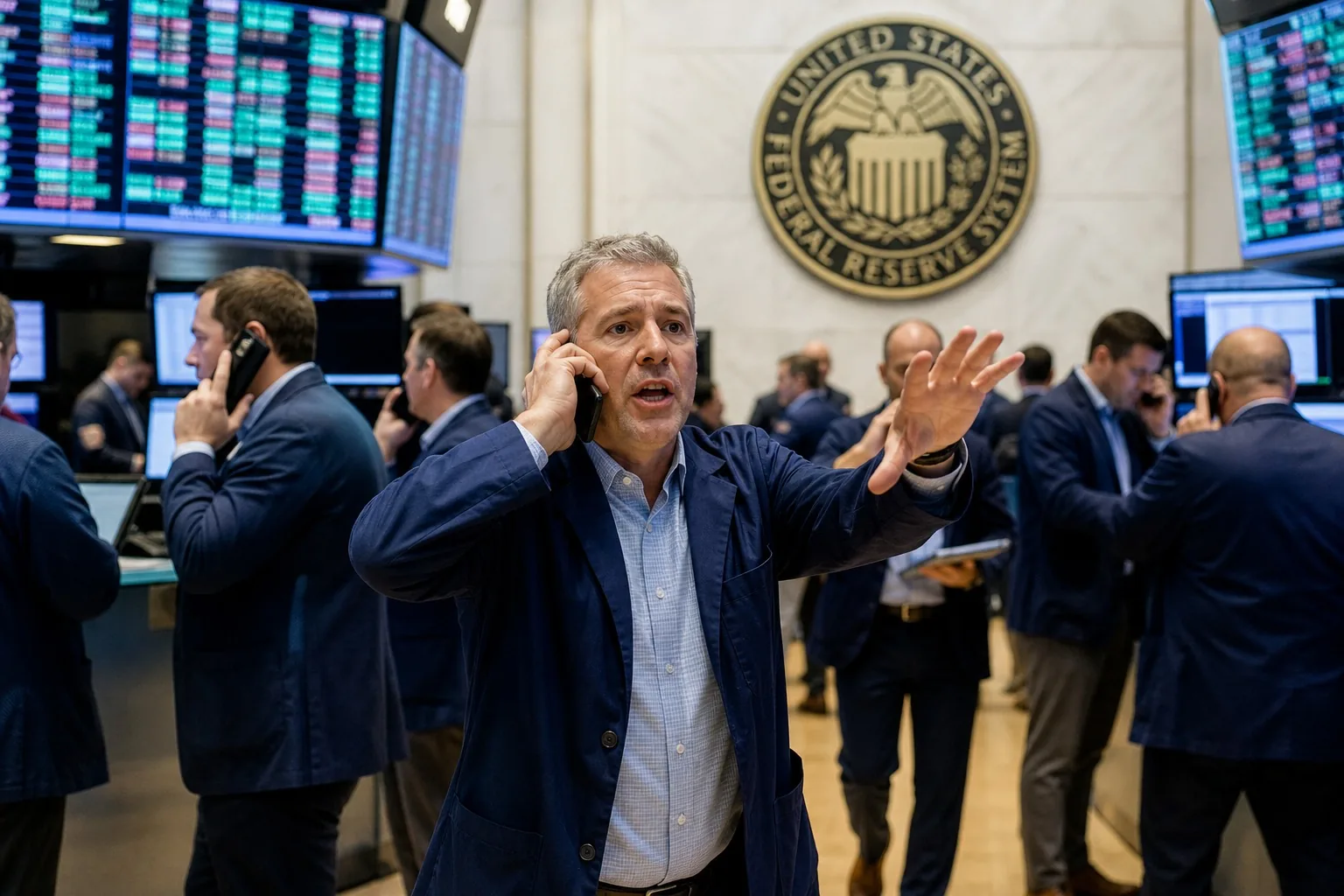
Kevin Warsh said Fed Meetings will be fewer starting next year as the Federal Reserve held rates Wednesday, with two officials pushing for another hike after a 10-2 vote.
Key Takeaways
- The Fed held its key rate at 3.75% to 4% in a 10-2 vote
- Governor Lisa Cook and Cleveland Fed President Beth Hammack voted for a quarter-point hike
- Warsh said the Fed will cut the number of rate-setting meetings in the coming years
- Traders still see about an 84% chance of a rate hike in December
Fewer Fed Meetings Starting Next Year
Warsh announced the Fed Meetings schedule change at his press conference after the decision. The Fed has held eight Fed Meetings a year since 1981, even though the law only requires four.
Under the new plan, one of next year’s eight meetings becomes a strategy session with no rate vote, and two will in 2028, leaving six rate decisions a year.
The Fed’s published calendar still lists eight meetings for 2027.
Warsh first raised the idea in July, arguing that more economic data should pile up between decisions. He has also cut back on the hints the Fed gives markets about its next move.
Critics say fewer meetings could make markets jumpier around each decision. Russell Rhoads, a finance professor at Indiana University’s Kelley School, said in August that cutting meetings “is going in the wrong direction.”
Fed Holds Rates But Two Officials Wanted A Hike
The Fed’s statement kept the benchmark rate at 3.75% to 4%, after a quarter-point hike in September that was its first increase since July 2023. Lisa Cook and Beth Hammack dissented because they wanted to raise rates again now.
The statement also changed its tone. The Fed now calls economic growth “strong” instead of “solid,” and says it wants “the accumulation of more information” before deciding its next step.
Warsh Says Borrowing Has Already Gotten Tougher
Warsh said the September hike is already working. “Since our policy action in September, we have started to see some changes in financial and credit conditions,” he said, according to American Banker. “They have tightened for some businesses and households, much as we would expect.”
But he pushed back on the idea that rates are now too high. “While overall financial conditions are tighter, I’m unwilling and unable to call them tight,” he said. He also said politics played “no role” in the decision, which came less than a week before the midterm elections.
That will be watched closely.
President Donald Trump, who picked Warsh to lead the Fed, said in February he would not have chosen him if he wanted rate hikes.
What It Means For Your Money And Crypto
Prices are still rising too fast. Consumer prices were up 3.7% in September from a year earlier, and oil is above $100 a barrel as the Iran war chokes supply.
Traders priced about an 84% chance that the Fed raises rates again at its December 8-9 meeting.
The 10-year Treasury yield sat near 5.02%, which keeps mortgage and car loan rates high. Bitcoin traded near $80,600. Higher rates tend to weigh on bitcoin and other risky assets because cash and bonds pay savers more for doing nothing.
Read Next: BIS Warns Stablecoin Adoption Slows As U.S. Banks Raise Rates And Keep Cash Home