Chinese AI Models Face Devastating U.S. Sanctions Threat Over IP Theft
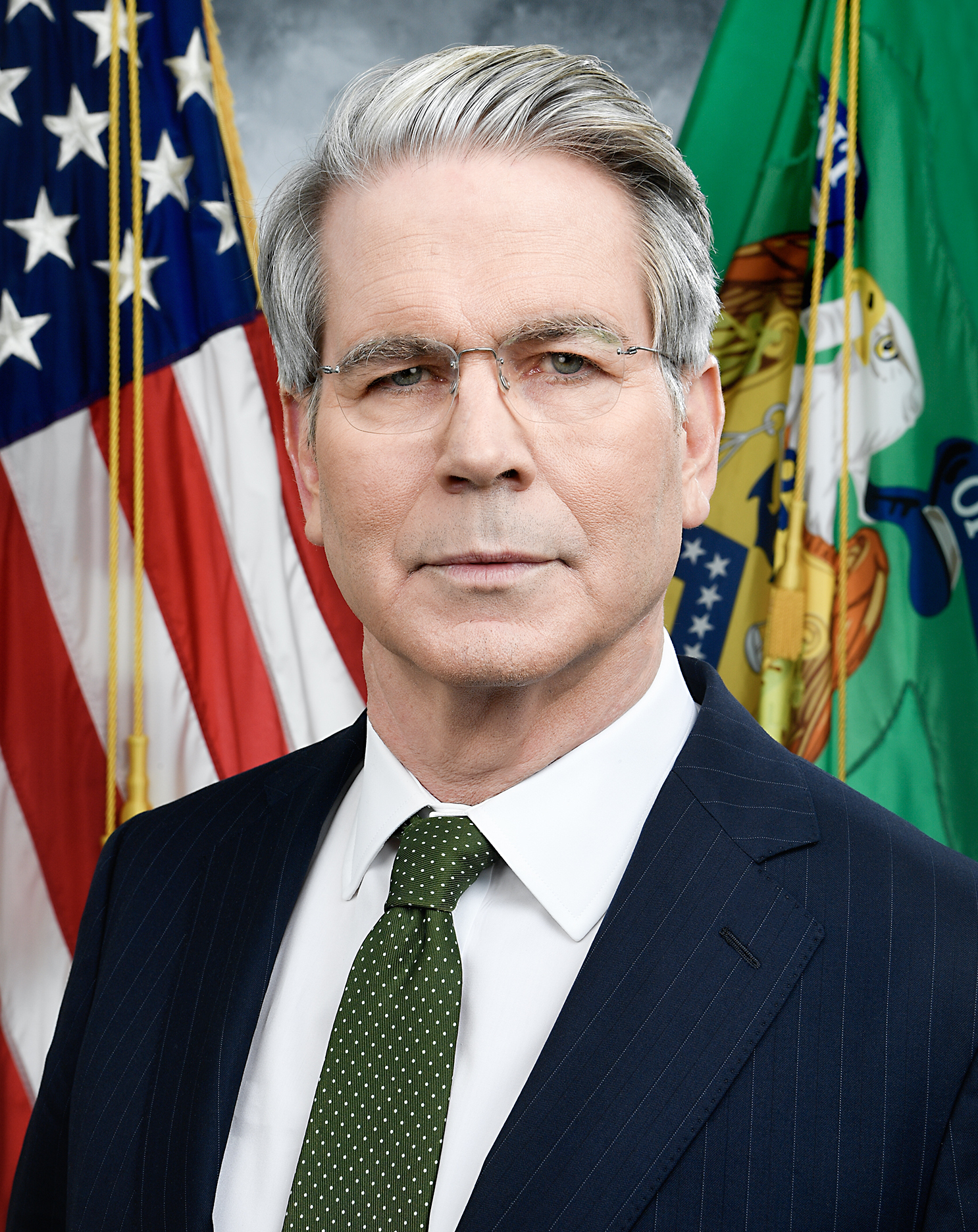
Treasury Secretary Scott Bessent said Monday that the United States will scrutinize Chinese AI Models for signs of intellectual property theft and has the authority to impose sanctions on Chinese AI firms if evidence is found. Bessent made the remarks as Washington’s concern over Chinese AI competitiveness sharpened following the release of Kimi K3, a model from Moonshot AI that drew comparisons to leading American systems.
The warning is the most direct threat of economic penalties against Chinese AI developers that a senior U.S. official has issued.
Chinese AI Models Draw Sanctions Threat at a Pivotal Moment
Bessent’s comments, reported by Bloomberg and CNBC, go beyond prior export control policy. Past U.S. measures focused on restricting chip sales to China.
The new posture flips the direction: instead of limiting what China can buy, Washington is examining what China has already built through Chinese AI Models, and whether it was built using stolen American code, training data, or model weights.
“We have the ability to sanction them,” Bessent said, adding that the administration would also examine whether U.S. companies should be required to disclose when they are using Chinese AI Models in their products.
That second question carries enormous commercial implications. American enterprises from software firms to financial institutions have begun testing or deploying Chinese AI Models precisely because they are free to download, customize, and run on private infrastructure.
What Open-Weight Models Are, and Why They Create Legal Exposure
An open-weight AI model is one whose underlying numerical parameters are made publicly available for download.
Unlike closed APIs, where users interact with a model through a web interface, open-weight releases allow anyone to inspect, copy, fine-tune, and redistribute the model. That openness is what makes them attractive to enterprise IT departments and to researchers.
It is also what makes IP disputes so difficult to litigate.
When a lab releases model weights, it is releasing the distilled product of a training run that may have consumed billions of dollars of compute and, critics argue, billions of pages of copyrighted text or proprietary code. U.S. prosecutors would need to trace the training data or architecture choices of a Chinese AI Model back to an identifiable American source, a forensic challenge that has no established legal playbook.
Bessent did not name specific Chinese AI Models or firms in his public remarks.
However, the timing leaves little ambiguity. Kimi K3, released by Moonshot AI in mid-July, performed competitively with top American systems on coding and mathematics benchmarks, reigniting the debate that began with DeepSeek‘s R1 release in January this year.
DeepSeek faced immediate allegations of improperly using OpenAI‘s outputs in its training process, allegations both companies disputed.
From Chip Bans to Model Bans, How U.S. Leverage Has Shifted
The U.S. government has tightened AI-related export controls in several waves since 2022.
The Biden administration restricted sales of advanced Nvidia chips to Chinese buyers. The current administration has maintained those controls while broadening the scope of scrutiny.
Sanctions, if applied, would represent a qualitative shift.
They could prohibit American firms from licensing, distributing, or building on Chinese AI Models, effectively cutting those models out of the U.S. market and forcing any company using them to find alternatives. Ben Thompson’s analysis at Stratechery this week argued that frontier American labs are not in serious danger from Chinese open-weight competition, but that the U.S. needs to enable strong domestic open-weight alternatives rather than simply banning Chinese ones.
The September U.S.-China AI talks reported by Reuters, scheduled between the two governments, add a diplomatic variable to what Bessent framed in largely adversarial terms.
Whether sanctions threats harden into policy or serve as leverage at the negotiating table will depend on what evidence investigators find inside the model weights.
The Disclosure Question Could Reshape Enterprise AI
The secondary issue Bessent raised, mandatory disclosure of Chinese AI Model use by American companies, is potentially more disruptive to the enterprise market than sanctions on the Chinese firms themselves. No such requirement exists today.
Implementing it would require companies to audit their software supply chains for AI components, a process analogous to what semiconductor firms went through after the first round of chip export controls.
Chinese AI Models, if subjected to a disclosure mandate, would create compliance costs that disproportionately affect mid-sized technology companies that lack dedicated legal and supply-chain teams. Larger firms with existing export-compliance infrastructure would adapt faster.
The administration has not announced a timeline for any action.
Bessent’s remarks appear designed to signal intent and put Chinese AI developers on notice before formal policy moves.
Read Next: Chinese AI Models Crushing US Rivals With 90% Price Cuts