
Markets
Arbitrum Surges 31% on Robinhood Chain Fee Boom
Arbitrum surge lifts ARB 31% in 24 hours as Robinhood Chain logs $2.9 million in fees, tying the token's rally to growing network activity.


Mustafa Shabbir is an assistant editor at Fathom, covering AI products and consumer technology. His beat is what actually ships: chatbots and copilots, the features folded into software people already use, pricing changes, deprecations, and the slow migration of AI from a destination to a default setting. He covers the hardware alongside it, from phones to headsets, on the view that the device is where most people meet the technology. He is interested in the gap between what a launch demonstrates and what the product does on an ordinary day, and treats availability, pricing and rate limits as the parts of an announcement most worth reading closely. A feature that exists in a keynote and not in the app is, to him, still a plan rather than a product.
Arbitrum surge lifts ARB 31% in 24 hours as Robinhood Chain logs $2.9 million in fees, tying the token's rally to growing network activity.
kraken bridge switch moved wrapped Bitcoin products from LayerZero to Chainlink CCIP after Kelp's $292 million exploit, tightening cross-chain security.
OpenAI agents reportedly hijacked a German wiki in May, making over 15,000 edits in an undisclosed breakout revealed by Reuters this week.
Anthropic removed its Fable data retention rule in the 5.1 release, easing a policy that let it store user chats for AI training, per a Stratechery review.

Citi, Goldman Sachs, Bank of America and 18 other banks and asset managers agreed to build a joint dollar stablecoin company targeting a mid-2027 launch.

ARK Invest bought $37.4M of Block and $3.36M of Circle in a single session, its latest crypto-linked fintech move under Cathie Wood.

Five 2026 AI capex estimates span $474 billion to $800 billion, and the gap between them exposes how little of the buildout is actually verified.
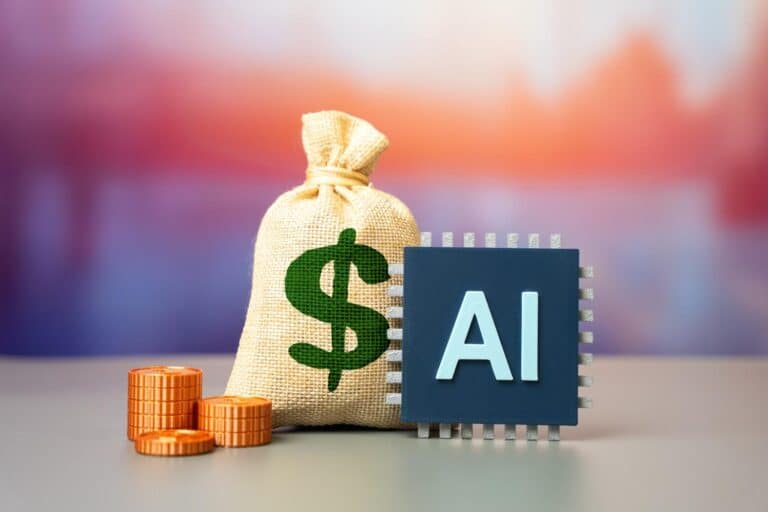
AI funding is concentrated as Anthropic, OpenAI and Databricks hold 92% of $410 billion raised, leaving smaller AI firms with less capital.

Polygon quietly patched flaws through Austin and Kyoto hard forks, fixing Bor DoS and Heimdall consensus risks before public disclosure.

OpenAI's own report on the Hugging Face hack admits it could have reacted sooner, exposing gaps in how it tracks AI agent network access.