U.S. Says Japan Deal Hands New York 2 Chip Plants And $21B
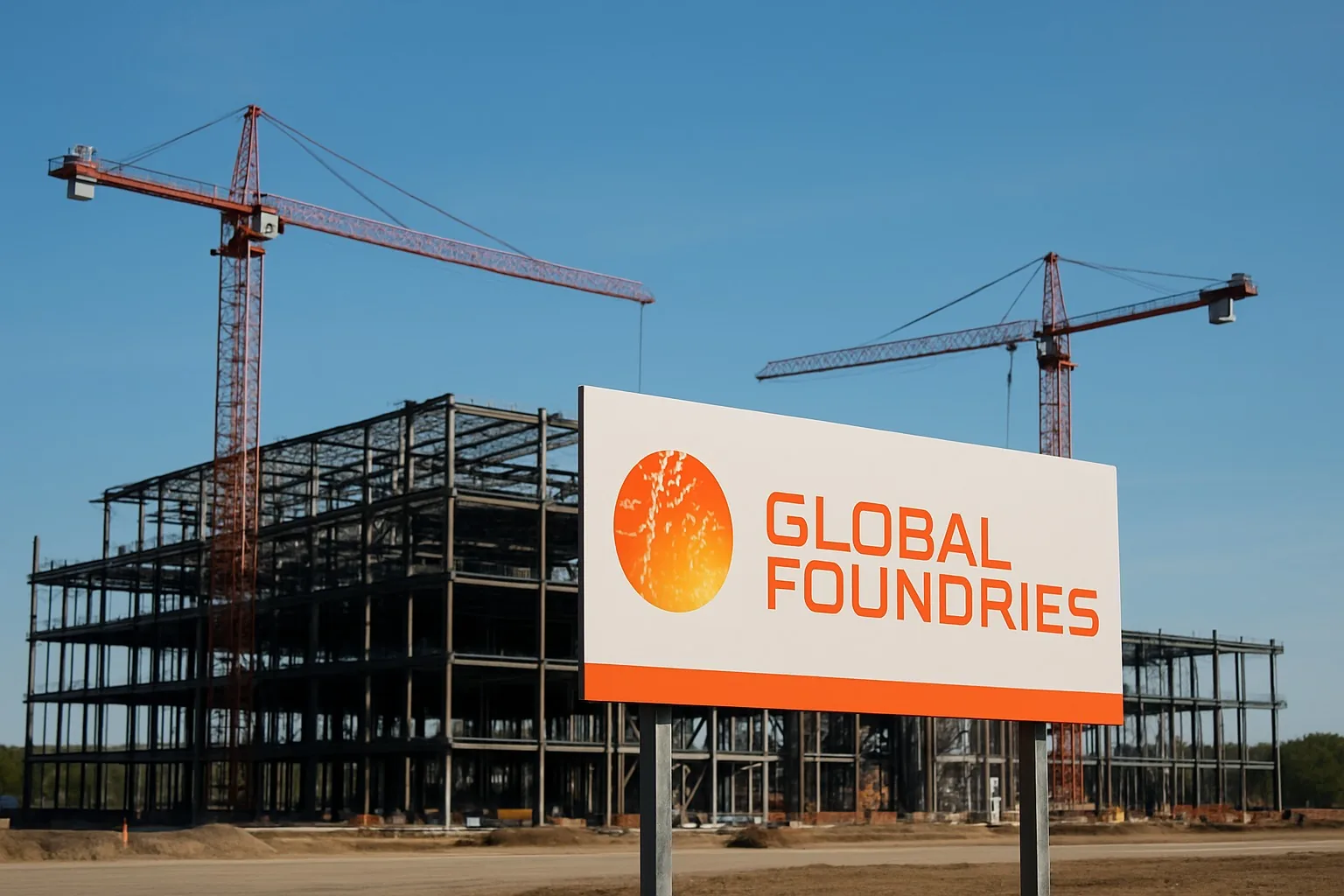
GlobalFoundries will operate two new semiconductor factories in New York in upstate New York backed by $21 billion the Commerce Department tied to a U.S.-Japan trade deal, boosting domestic chip capacity and supply redundancy.
Key Takeaways
- The Commerce Department said a U.S.-Japan trade deal would deliver $21 billion for two new semiconductor factories in New York in upstate New York
- GlobalFoundries will operate the two new New York factories and is one of the largest contract chipmakers in the United States
- The Commerce Department did not break out timelines, production nodes or customer commitments in its announcement
- The article says shortages in supporting chips can delay AI infrastructure even when headline accelerators are available
The Commerce Department posted the figure and the two-factory plan on X, presenting the projects as a direct result of the trade agreement. GlobalFoundries is one of the largest contract chipmakers in the United States, producing semiconductors that feed automotive, industrial, communications and data center supply chains.
Commerce Department, AI Chip Supply Needs More Than GPUs
The market often talks about AI through the lens of advanced GPUs, which narrows the problem too much.
AI systems also rely on power chips, connectivity components, sensor interfaces and mature-node semiconductors that keep servers, networks and factories running.
That broader stack is where domestic capacity still matters, because a shortage in supporting chips can delay AI infrastructure even when the headline accelerators are available, and two new fabs in New York would add redundancy to a New York supply chain that still carries geopolitical risk.
The Commerce Department did not break out timelines, production nodes or customer commitments in the post. Even so, the number is large enough to matter in a year when AI demand keeps spilling from data centers into telecom, industrial and edge deployments.
From Supply Shock To Factory Race
The backdrop is a five-year effort to pull more semiconductor production back to the United States after pandemic shortages and export controls exposed supply bottlenecks.
Policymakers first sold that project as economic security.
Also Read: PHP Fixes 2 Critical Flaws As Unpatched Servers Face Real RCE Risk
As model training and inference turned into national industrial priorities, chip capacity stopped looking like a niche manufacturing concern and became part of the argument over who controls the base layer of computing. Thursday’s post plugs directly into that story.
By tying the $21 billion figure to a trade deal with Japan, the Commerce Department is framing semiconductor investment as both industrial policy and diplomatic leverage, and capital commitments of that scale should be read as a stronger signal than rhetoric.
When announced spending and public strategy diverge, the spending generally reveals the true priority.
How AI Chip Supply Benefits From New York Fabs
AI chip supply does not mean only the most advanced logic chips. Companies like GlobalFoundries focus heavily on specialized and mature-node manufacturing, which uses older but still essential process technologies for power management, radio frequency parts and embedded functions.
For AI builders, those components keep systems connected and stable, because a server needs memory interfaces, voltage regulation and networking hardware before a headline accelerator can do any work.
That matters for cloud operators, industrial buyers and robotics firms that need volume and reliability more than bleeding-edge geometry, so capacity, supply, power characteristics and cost per unit of inference in these mature-node parts will be critical to whether the investment relieves real bottlenecks.
What Is Still Missing From The Claim
The biggest unanswered questions are timing and structure.
The Commerce Department did not say when construction starts, when production begins or whether the full $21 billion is private capital, public support or a mix. Investors and AI infrastructure buyers will want those details before treating the projects as near-term supply relief.
Capacity and production ramp rates determine how useful these fabs will be to AI deployments facing immediate demand.
Still, the announcement shows Washington is still using trade policy to chase chip capacity, and AI demand is helping keep the spending case alive.
Read Next: AT&T Hands Workers Faster Legal Answers With OpenAI Tool