ChatGPT, Gemini And 8 More As Artprice Takes On AI Over Cultural Data Rights
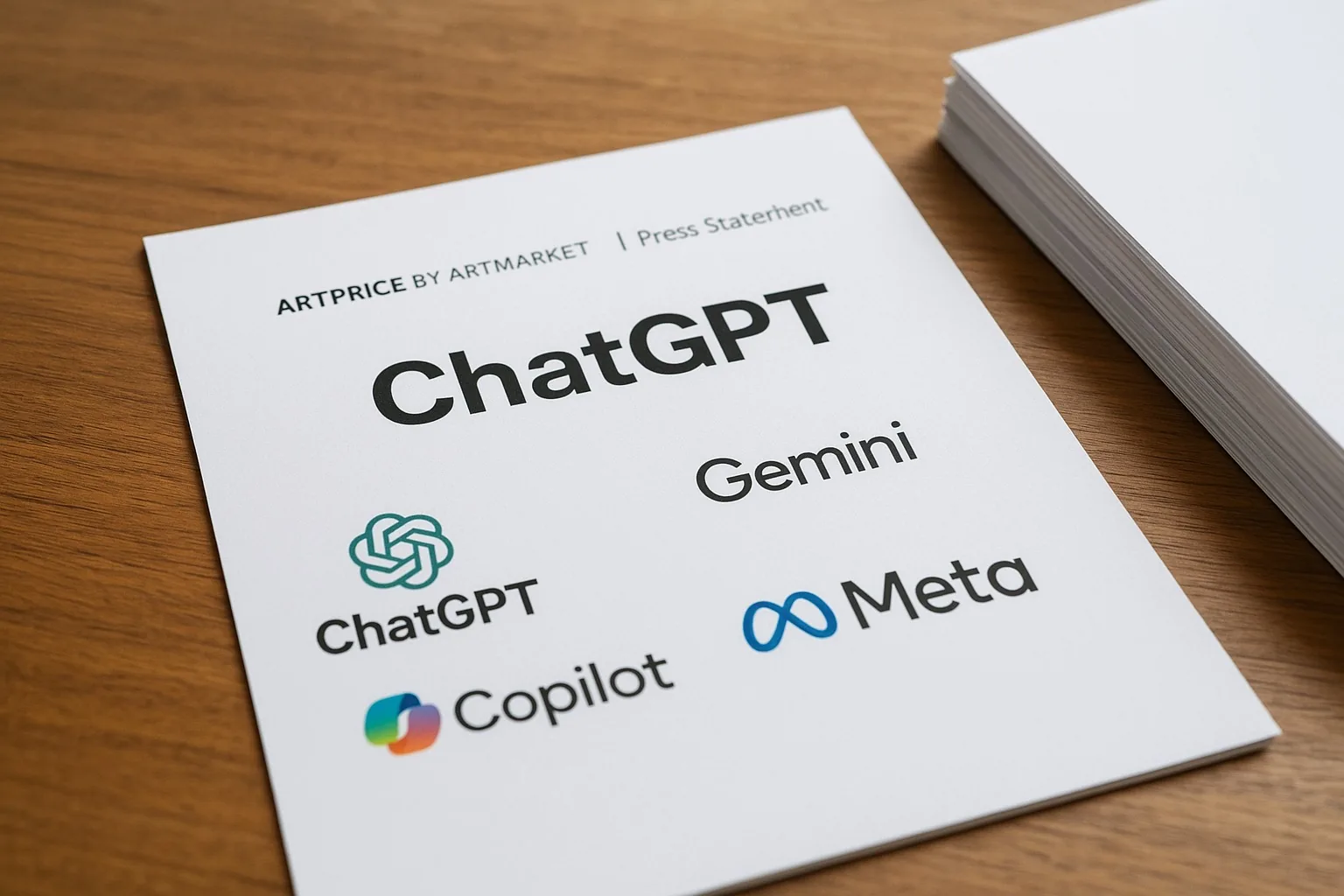
AI authorship moved into a named commercial dispute on Sunday when Artprice by Artmarket published a statement listing 10 major AI systems and tying them to author responsibility, literary property and the use of cultural data.
Key Takeaways
- Artprice by Artmarket published a statement listing 10 major AI systems and linking them to author responsibility, literary property and cultural data
- The project names ChatGPT, Gemini, Grok, DeepSeek, Perplexity, Mistral, Qwen, Copilot and a Meta model as examples
- Artmarket runs art market databases, price records and publishing products built around cultural archives
- Artprice said the work should not be read as an endorsement by OpenAI, Google, Microsoft or Meta
Artprice said the project names ChatGPT, Gemini, Grok, DeepSeek, Perplexity, Mistral, Qwen, Copilot and a Meta model as examples in a broader work on authorship rights. Artmarket runs art market databases, price records and publishing products built around cultural archives.
A second regional release carries the same core message and repeats that the work should not be read as an endorsement by OpenAI, Google, Microsoft or Meta.
AI authorship often gets discussed as a theory problem. Artprice frames it as a rights and data problem with named tools, named markets and a named archive owner, centering the debate on Cultural Data, authors, archives and literary property.
That shift is more concrete than many copyright debates around generative AI. Instead of asking only whether a model can produce original text, Artprice asks who supplied the source material, who organized it into a commercial database and whether that structured collection deserves payment or consent before training.
The company’s wording matters particularly in Europe, where archive and database protections carry legal weight different from the U.S. focus on platform innovation or output novelty.
Artprice’s stance treats Cultural Data as a product of curation and commercial labor rather than raw public content.
Also Read: Menlo Ventures Pours $30M Into Nectar MCP To Feed Live Data To ChatGPT, Claude
From Copyright Claims To Archive Value
The backdrop is a year of rising pressure from rights holders across books, news, code and image libraries. Model builders train on very large datasets and generate output token by token, making it harder to trace any single answer back to a single protected work.
Artprice sits in a narrower lane than a publisher or studio, but its position is useful because art market businesses depend on structured records, catalog entries, sale histories, artist biographies and valuation notes, that customers pay to access.
That framing turns AI authorship into a data extraction question as much as a copying question. If a model learned from a curated archive, the commercial concern may be less about a lifted sentence and more about whether years of paid database work were converted into model capability without a license. Treating those collections as Cultural Data highlights the aggregate value of many modest records.
How Earlier Fights Set Up This One
Since late 2025, publishers, artists and software platforms have tested whether model training should count as ordinary indexing, fair use or a licensable commercial act.
The argument widened as companies signed training deals with news groups and specialist data owners, implying that some model builders accept a market for premium datasets even while legal standards stay unsettled across jurisdictions.
For Artprice, archives and pricing databases sit between raw culture and paid information services. A court fight over novels would not answer every question raised by a paid art record system, because Cultural Data often reflects collection, curation and commercial organization.
AI authorship could next move from broad copyright rhetoric to database claims, provenance rules and auditable training sets, affecting OpenAI, Google, museums, collecting societies and specialist publishers that hold valuable structured records.
The practical issue is traceability. A rights holder can often spot a copied image or paragraph, but it is much harder to prove a model absorbed a taxonomy, pricing style or body of descriptive language from a private archive.
If courts or regulators shift that burden, archive owners like Artprice may have a clearer commercial case and model developers might need more direct licenses for specialist collections.
Recognizing Cultural Data as licensable or protected would give specialist data vendors more leverage than many individual creators in the next phase of the AI authorship fight.
Cultural Data, in this framing, is both the raw input and the commercial product at stake.
Read Next: Opus 5.5, GPT-6 Astra, Gemini 4 Argon Share Hidden Core Skill. Persistence