Hot CPI Report Sinks Nvidia As Rate-Cut Bets Fade, S&P 500 Drops 1%
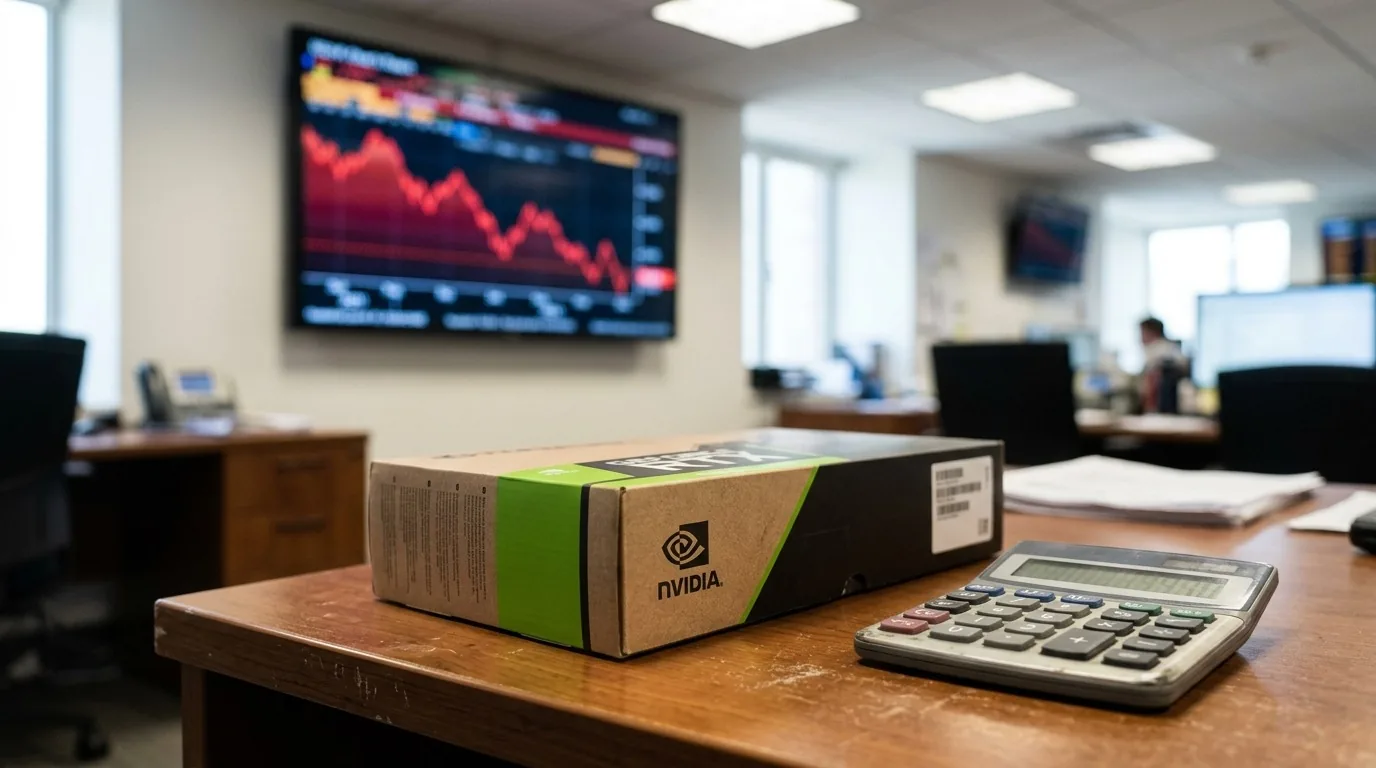
The U.S. Bureau of Labor Statistics released a hotter-than-expected CPI Report on Oct. 13, pushing bond yields higher and sending the S&P 500 and Nasdaq each down more than 1%.
Key Takeaways
- The Bureau of Labor Statistics released a hotter-than-expected CPI Report on Oct. 13, pushing bond yields higher
- The S&P 500 and Nasdaq each fell more than 1% after the inflation data raised doubts about further Fed rate cuts
- Nvidia was among the session’s biggest decliners as AI supplier stocks faced a second straight day of selling
- The Russell 2000 was on pace to enter correction territory as rate-sensitive market segments absorbed much of the damage
The inflation data, published via the BLS CPI Report, raised doubts about how quickly the Federal Reserve can keep cutting interest rates, a bet that has underpinned much of the market’s AI-driven rally over the past two years.
Rising yields make future tech earnings worth less in today’s dollars, and chipmakers tied to artificial intelligence spending took the brunt of the selling as investors recalculated what those earnings are worth under a higher-rate outlook.
Nvidia was among the session’s biggest decliners as the broader AI trade wobbled for a second straight day. The move followed a separate rout on Oct. 13 that Reuters described as the clearest sign yet that sentiment on AI supplier stocks is shifting, after Broadcom chief executive Hock Tan compared parts of the AI investing boom to a casino.
CPI Report Pushes Yields Higher As Rate-Cut Bets Fade
Treasury yields jumped immediately after the CPI Report release, a direct reaction to traders paring back expectations for near-term Fed easing. Small-cap stocks fared worse than large caps, with the Russell 2000 on pace to enter correction territory, a term for a drop of 10% or more from a recent high, as the market’s rate-sensitive corners absorbed the bulk of the damage.
Why AI Names Led The Decline
AI stocks carry some of the market’s highest valuations, built on expectations of sustained capital spending by companies like Microsoft and Meta Platforms on data centers and chips. For those valuations to make sense, that spending must remain sustained even as higher yields reduce the present value investors place on future earnings.
Higher yields squeeze those valuations harder than they squeeze the rest of the market, which is why Nvidia and its peers again absorbed a disproportionate share of Tuesday’s selling. Investors now await the Fed’s Beige Book, a periodic survey of regional economic conditions, for further signals on the central bank’s next move.
Read Next: OpenAI’s 10,000 Agents Run 36 Hours Straight With Zero Human Checks