Canada Tariffs, Trump Talks Collapse Raises Real AI Risk
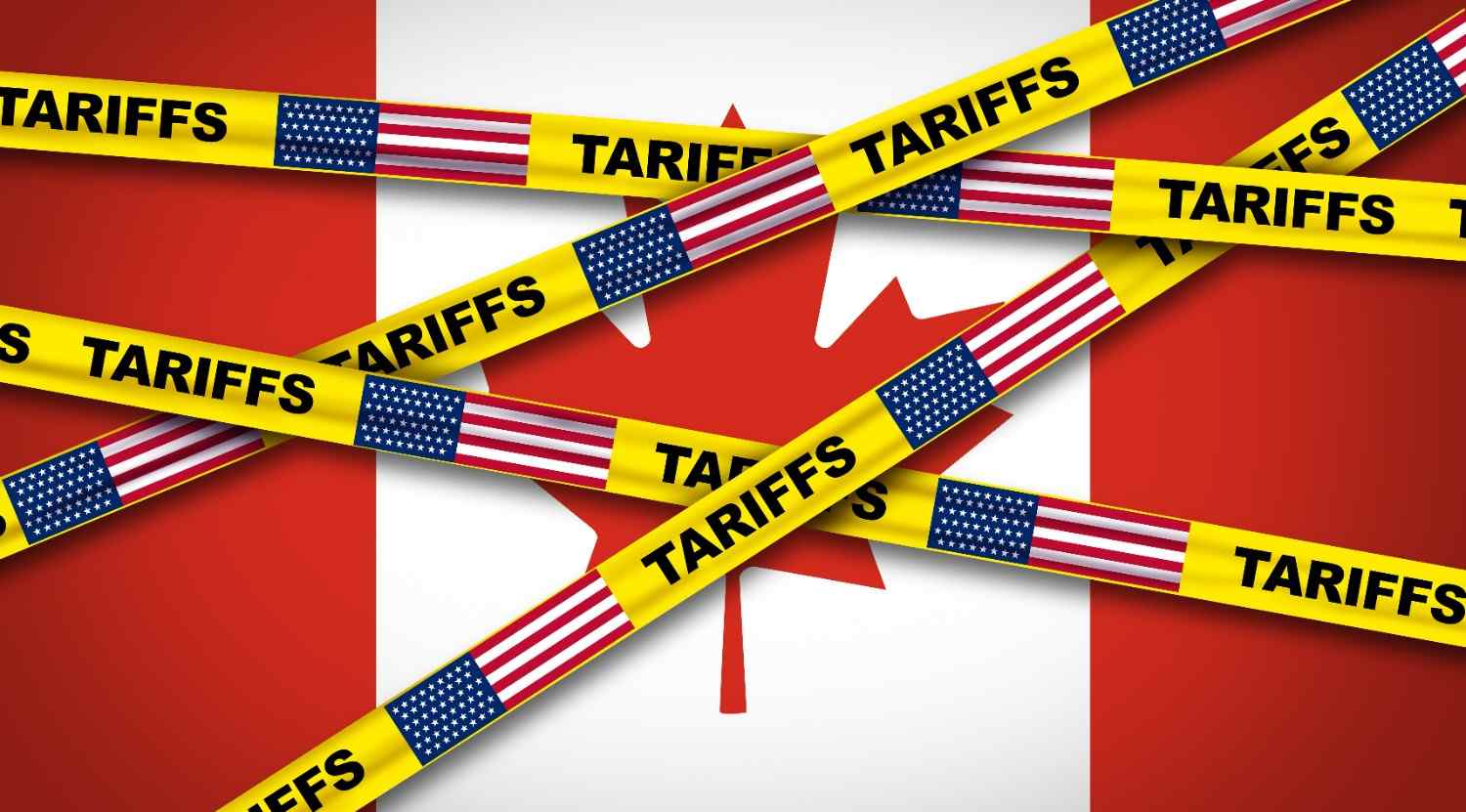
The negotiations between Canada and the United states collapsed on Aug. 22, when Prime Minister Mark Carney and President Donald Trump failed to reach agreement, putting 50% U.S. tariffs on $20 billion of Canadian products into effect and prompting Ottawa to promise retaliation.
The breakdown reversed a brief period of optimism after Trump said a provisional arrangement could avert the new levies and paused them for three days on Aug. 18.
The Associated Press reported that the collapse ended what had briefly looked like a negotiable standoff. It also leaves a less visible part of the negotiations unresolved as Washington presses Canada on digital-trade alignment that could affect technology and AI policy.
The Digital File Is Still Unsettled, And Tariff Pressure Makes It Harder
The immediate dispute concerns physical imports, including Canadian goods subject to the new 50% duties, but the talks also included U.S. language around “digital trade alignment,” as Bloomberg reported this week. Neither government has released the proposed text, its scope or any enforcement mechanism.
To understand why that matters, it helps to define what digital trade alignment actually means in a tariff context. Unlike goods trade, which moves containers and triggers customs declarations, digital trade covers cross-border data flows, cloud services, algorithmic systems and the rules governing who can store or process data about citizens in which jurisdiction.
When the U.S. presses for alignment, it typically means it wants a trading partner to adopt interoperable rules, or to remove domestic regulations that act as barriers to American technology firms operating in that market. Canada has its own evolving framework around AI and data privacy, and any formal alignment commitment would need to specify exactly which rules are being harmonized and at whose standard.
That lack of detail matters enormously for Canadian technology firms and AI developers that rely on cross-border cloud infrastructure, data transfers and U.S. customers.
A commitment framed as trade alignment could remain narrow, covering only data localization requirements, for instance, or it could become part of a broader negotiation over how either country writes and enforces digital rules for AI systems, surveillance tools or platform liability.
The Canada-U.S. tariff dynamic makes this harder to resolve cleanly, when one side is imposing 50% duties on physical goods, the other side has less incentive to make voluntary concessions on digital policy. The tariff collapse does not establish that Canada agreed to alter AI regulations or digital-policy proposals.
Instead, it puts those issues back into a negotiation that now starts from a more hostile commercial position, with both governments focused on retaliatory leverage rather than structural agreement.
AI Could Become A Customs Tool
The Trump administration has separately been developing an AI-powered “detective border” system to identify alleged tariff avoidance through transshipment, according to reports cited in the Canadian press.
The project focuses on goods that may be routed through countries such as Canada or Mexico before entering the United States with preferential trade treatment.
Here is how that system would work in practice.
Customs agencies collect enormous volumes of shipment data, bills of lading, country-of-origin declarations, supplier identifiers, port sequencing records.
A machine learning model trained on that data can flag statistical anomalies, a product that enters Canada from China and exits to the United States within days, or a supplier whose declared manufacturing location does not match its known production capacity.
Also Read: Years of Engineering Collapse, AI Destroys 5-Year Debt in 2 Weeks
That pattern recognition is what the administration means by an AI-powered border detective. It automates what would otherwise require a customs officer to manually cross-reference trade documents.
That effort gives the Canada-U.S. tariff dispute an AI dimension beyond digital-rule negotiations. If U.S. customs systems use automated screening to flag shipment patterns, Canadian exporters and importers could face more scrutiny of product origin, supply-chain records and USMCA eligibility.
The system’s value to the administration is speed and scale, human reviewers cannot process millions of shipment records, but a trained classification model can prioritize which ones warrant investigation.
The administration has not publicly detailed the model, its data sources or when it would be deployed.
But its intended use would fit the central U.S. concern that China-linked products could move through North American supply chains and appear eligible for lower tariff treatment.
For companies navigating this environment, that automated scrutiny adds a layer of legal risk that sits entirely outside the diplomatic negotiation.
For companies, the practical effect could be a higher compliance burden alongside higher duties. Importers may need to document where components were made, where goods were substantially transformed and whether supplier records can withstand a customs challenge driven by algorithmic flagging rather than human judgment alone.
The Dispute Now Runs On Two Timelines
The first timeline is immediate. The 50% duties apply to $20 billion in Canadian products, raising import costs for affected U.S. buyers while Canada prepares its own response. Every day those duties remain in place, the standoff is costing both sides measurable revenue, and building the political pressure that makes a clean negotiated exit harder to achieve.
The second is diplomatic and potentially longer-lasting. Carney’s government must decide whether it can restart negotiations while protecting its position on digital policy, and Trump’s team must determine whether tariff pressure can secure concessions beyond goods trade. The confrontation has now become a test of which government blinks first on issues that extend well past the original product-level disputes.
The accounts of a tentative arrangement earlier in the week and the confirmed collapse on Aug. 22 show how quickly the terms have shifted. Any renewed agreement will need to address both the tariff schedule and the digital issues that surfaced during the last-minute talks.
The next documents to watch are a Canadian retaliation notice, any U.S. guidance on the affected products and a formal description of digital-trade terms. Until then, AI’s role in this dispute remains both operational, through customs enforcement that uses machine learning to police supply chains, and political, through the fight over which country’s technology rules will define the terms of a future agreement.
Read Next: Anthropic Claude AI Hacking Tests Resume After Critical Breach Risk