48 AI Agents Spot A Possible Lost Maya Pyramid Overnight, And Mexico Has No Record Of It
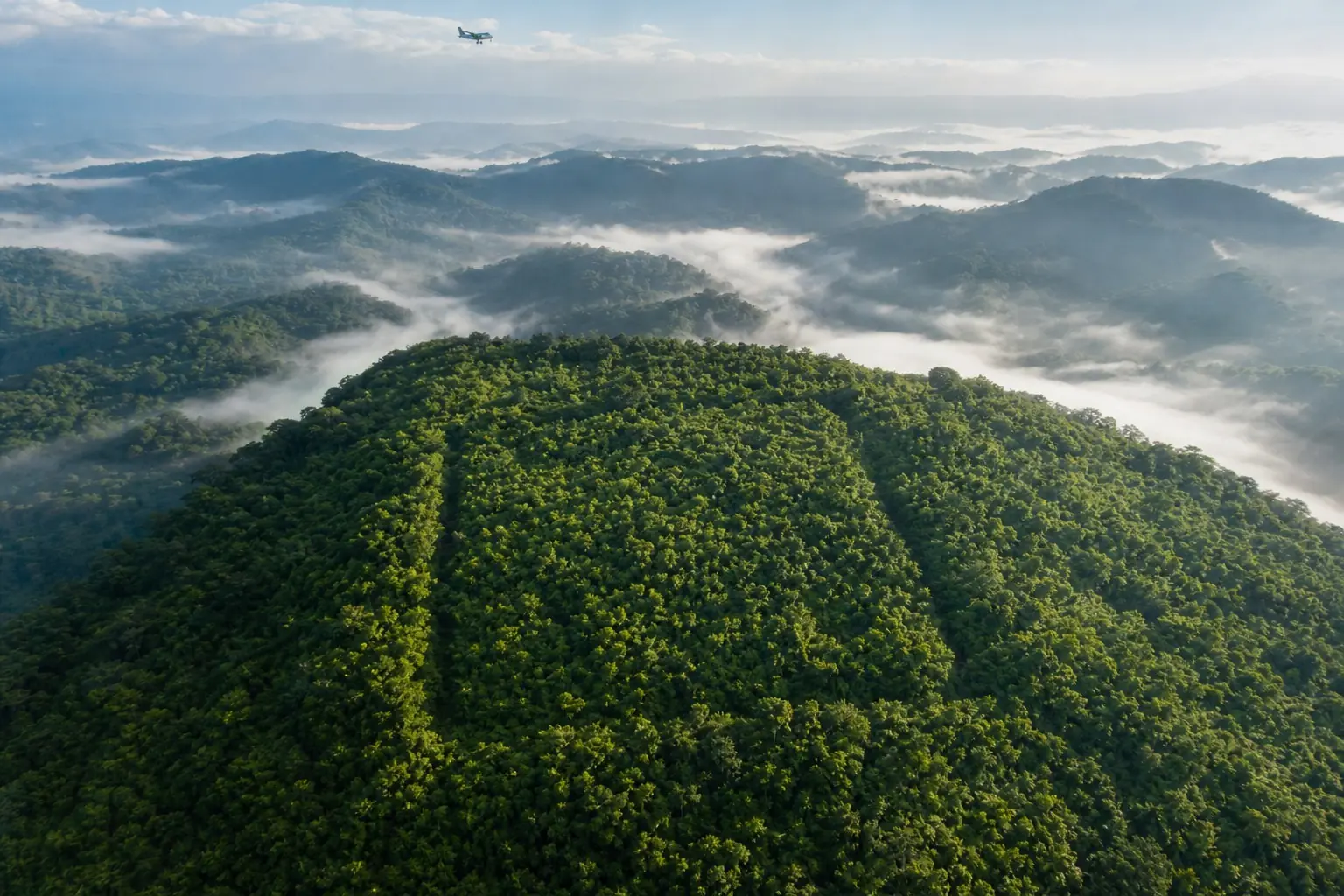
Pietro Miotti, who says he is not an archaeologist, set 48 AI agents loose on public NASA lidar data overnight, and they flagged a possible Maya site with a plaza and a pyramid that Mexico’s national archaeology institute has no record of.
Key Takeaways
- 48 AI agents scanned about 1,200 square kilometers of NASA lidar data of the Maya region in one night
- They flagged a hilltop site with what looks like a plaza, an oval pyramid at least 8 to 12 meters tall, a raised courtyard and a possible reservoir
- Mexico’s INAH said no registered archaeological site was found at the location he reported
- The find is not confirmed, and any fieldwork needs INAH’s approval
Miotti shared the story on Tuesday, saying it took 72 hours to go from a random thought on vacation to a reply from the institute. His post has drawn close to a million views.
How The Agents Found It
The idea came while he was traveling in Peru in October and reading about Hiram Bingham, the explorer who brought Machu Picchu to world attention. He asked AI tools including Gemini, ChatGPT, Claude and Grok what such an explorer would do today, and they pointed him to lidar, which uses laser pulses from aircraft to map the ground under forest cover.
NASA’s free lidar archive did not cover Peru, so he turned to the Maya region. He turned the lidar strips into images, and 48 agents went through them one by one, looking for pyramids, platforms and plazas while ruling out natural hills, sinkholes and roads. He used no special model, just the agents and a written guide.
Also Read: What Are AI Agents? How Tools, Memory And Rules Turn Chatbots Into Workers
What Mexico Said
When he asked which sites were not on record, the agents pointed to one hilltop settlement under 10 to 17 meters of forest. He had them check the raw lidar data to confirm the shapes were really on the ground, then had a report drafted, translated into Spanish and sent to INAH with the exact location in a confidential annex.
INAH replied that “no registered archaeological site was identified at the location given in your report.” That means the site is not on its records, not that it has been confirmed as a new find.
What Happens Next
Archaeological sites in Mexico are protected by federal law, so only INAH can approve a visit. Miotti says he has offered to help with an INAH-led field check, and the local INAH center will decide whether to send a team. His own description of the site’s layout is a guess until then.
Read Next: AI Agents Burn More Cash The Longer They Work For You