Wall Street Watchdog Moves To Take Control Of Its Giant Trade Database
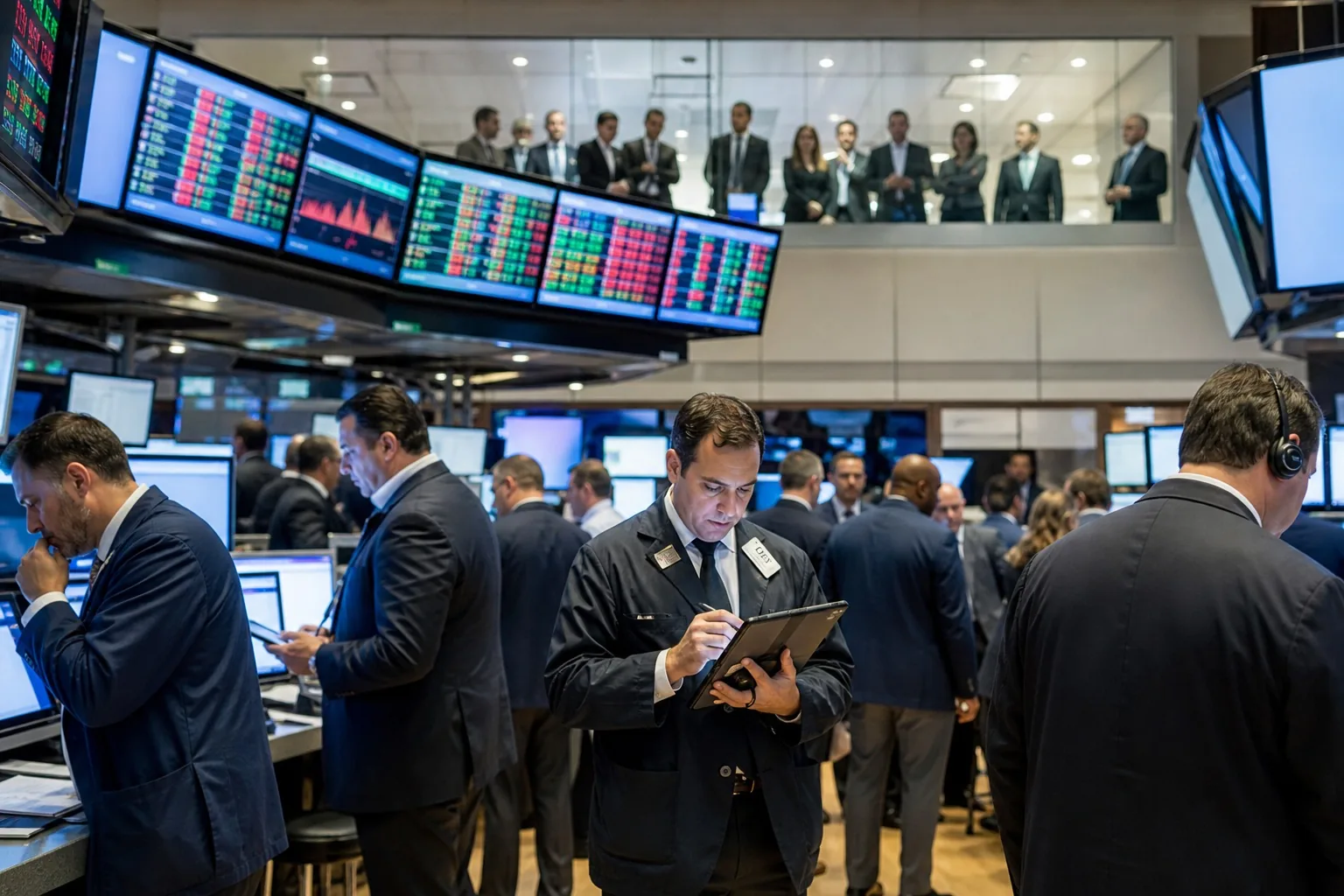
Wall Street’s top regulator wants to take direct control of the giant database that tracks trading in U.S. stocks and options, and to have taxpayers, not the stock exchanges, pay its costs.
Key Takeaways
- The Securities and Exchange Commission (SEC) proposed taking direct control of the Consolidated Audit Trail (CAT), its market-wide trade-tracking database
- Exchanges and brokers would still report the same trading data, but to the SEC or a firm it picks, not to a system the exchanges run themselves
- The SEC plans to use money from Congress to cover its own costs of running the system
- Earlier changes already cut the CAT’s projected yearly running costs by more than $100 million and stopped the collection of investors’ personal information
The Securities and Exchange Commission (SEC) announced the proposal on Nov. 20. The CAT is the system regulators use to follow orders and trades across the U.S. stock and options markets, so they can trace things like market manipulation or a sudden crash back to their source.
Today the exchanges and the Financial Industry Regulatory Authority (FINRA) are responsible for building and running it under a shared plan. The SEC says that setup has caused problems. Its proposal would scrap the rule that put the exchanges in charge, known as Rule 613, and replace it with a new rule that sends the same data to the SEC or a company it chooses.
“Today’s proposal addresses persistent concerns with cost overruns, funding, and governance of the Consolidated Audit Trail,” said SEC Chairman Paul Atkins. He said the goal is a CAT that is “accountable in its governance and disciplined in its costs.”
What Would Change
Also Read: Wall Street Watchdog Busts Fake Crypto Advisers Who Stole $37M
Why This Matters
The CAT has been one of Wall Street’s most fought-over projects. It is one of the largest financial databases in the world, and arguments over its cost, who should pay for it and the privacy of investors’ data have dragged on for years. Under the current setup, much of the bill has flowed through exchanges and brokers, who can pass costs on to the people trading.
Moving the system under the SEC changes who answers for it. The agency would be directly responsible for the database working and for what it costs, and its own share would be paid from its budget set by Congress. Supporters say that brings accountability. Critics of the CAT have long worried about a single government-held record of trading activity, which is why the earlier removal of personal information matters. The SEC said both investors and market firms backed more SEC control when it asked for feedback in April.
It also fits Atkins’ wider push to rethink rules he sees as costly or outdated, a theme of his time as chairman.
What To Watch Next
The proposal is not final. Once it appears in the Federal Register, the public gets 60 days to comment, and the SEC would then need a separate vote to adopt it.
Watch how the exchanges respond, since they would lose control of a system they built, and how Congress reacts to being asked to fund it. Also watch for details on which company, if any, the SEC picks to run the database, and whether brokers end up paying less for reporting.
Read Next: Coinbase Warns Bitcoin Could Slide To $53.5K In A 2022 Repeat