Crypto Exchange Binance Wins Brazil License To Swap Currencies
Binance has won a foreign exchange broker license from the Central Bank of Brazil, giving the world’s largest crypto exchange a regulated way to change money between currencies in a country where stablecoin trades now count as currency deals.
Key Takeaways
- Binance Brasil, the exchange’s local arm, now holds three licenses from Brazil’s central bank
- The newest one lets it act as a foreign exchange broker, a firm that buys and sells currencies for clients
- Brazil’s rules treat buying, selling and sending stablecoins abroad as foreign exchange deals
- Tougher capital and risk rules for licensed crypto firms start on January 1, 2027
Binance announced on Friday that Binance Brasil had received its third license in the country from the Central Bank of Brazil, this time as a foreign exchange broker. The company called it “another regulatory milestone for Binance in Brazil” and said the approval was a step toward “better financial products for local users.”
What The License Allows
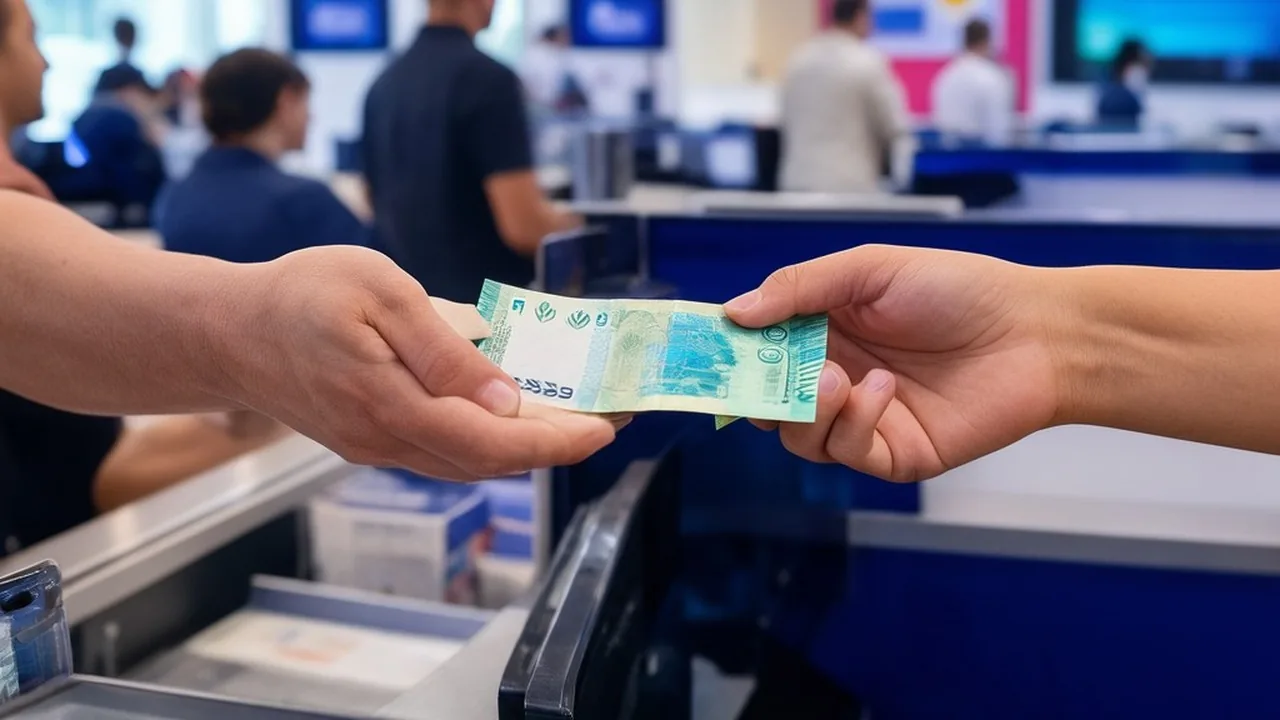
A foreign exchange broker is a company allowed to buy and sell foreign currency for its customers and to move money in and out of the country through official channels. In Brazil those channels are run and watched by the central bank, which tracks money as it crosses the border.
Binance did not say which products will use the new license or when they will launch. It did not name a currency, a fee or a start date, so for now the approval is a permission rather than a product.
Also Read: Brazil Sets 24-Hour Crypto Hold: Self-Custody Now Sits Beside Offshore Risk
What Brazil's Stablecoin Rules Mean For Binance
Brazil is one of the biggest crypto markets in Latin America, and over the past year its central bank has pulled crypto firms into the same rulebook that covers banks and brokers. Under rules that took effect on February 2, buying, selling or swapping stablecoins counts as a foreign exchange operation, and so does paying or sending money abroad with them. Stablecoins are crypto tokens pegged to a regular currency such as the U.S. dollar, and many Brazilians use them as an easy way to hold dollars.
That makes a foreign exchange license far more useful to a crypto exchange than it sounds. Many of the dollar trades Binance’s Brazilian users make are, in the eyes of the regulator, currency deals. A firm that holds its own license sits inside the system the central bank uses to watch money enter and leave the country, rather than outside it.
The timing matters too. The central bank gave crypto firms already working in Brazil until October 30 to apply for authorization or wind down, and stricter capital and risk rules for licensed crypto firms begin on January 1, 2027. Smaller players that cannot carry those costs risk being squeezed out, which could leave more of the market to the largest exchanges with the deepest compliance budgets.
The January 2027 Capital Rules Test
- Which Binance products in Brazil move under the new license, and whether dollar stablecoin trades are among them
- The central bank’s decisions on licenses under its new crypto rules, which exchanges had to apply for by October 30
- How Binance and its rivals meet the capital and risk rules that start on January 1, 2027
- Whether more crypto firms leave Brazil as the new rules start to bite
Read Next: Binance Lets Crypto Traders Buy Japan And Brazil Stock Tokens