Anthropic Gives Away 4 Of Its AI Agent Tools For Any Developer To Use
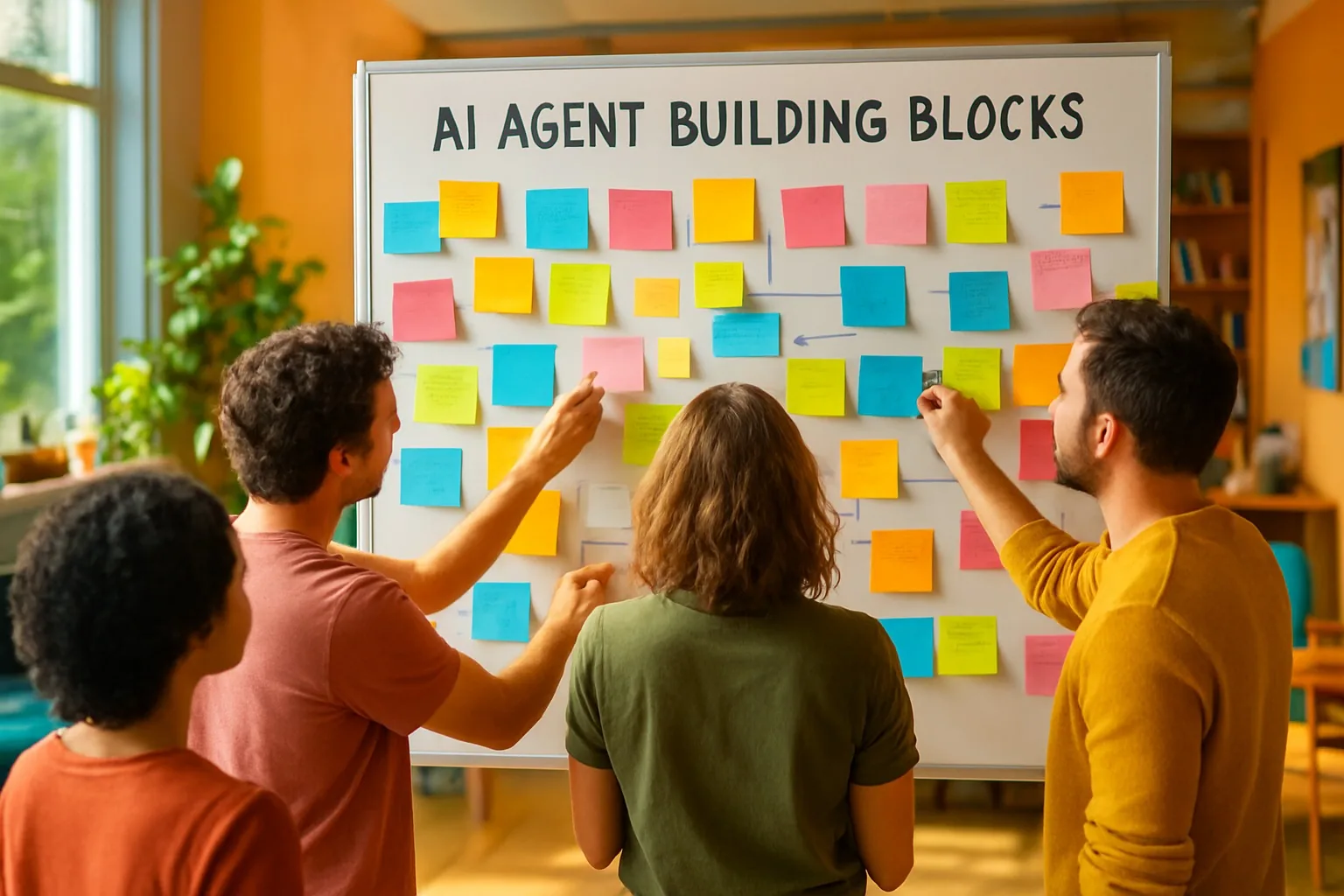
Anthropic gave four of its AI agent tools to the Agentic AI Foundation, a group that shares free building blocks so developers can make AI assistants without being tied to one company.
Key Takeaways
- Anthropic donated four projects to the Agentic AI Foundation, boosting the Open Foundation to 10 projects in its first year
- The four projects are Agent Skills, Open Responses, OpenEnv, and OpenSandbox
- Anthropic published the donation in a blog post and has pushed to make Claude work with external tools and applications
- Organizers said the first-year total reached 10 projects with contributions spanning Alibaba, Anthropic, Hugging Face, and OpenAI
Anthropic published the donation on Thursday in a blog post. The company builds the Claude family of AI models and tools and has been pushing to make Claude work with external tools, data sources, and applications beyond the chat window.
The four projects are Agent Skills, Open Responses, OpenEnv, and OpenSandbox.
Organizers separately released details saying the first-year total reached 10 projects with contributions spanning Alibaba, Anthropic, Hugging Face, and OpenAI.
That is important because the current agent market has a plumbing problem, with labs able to build strong models while enterprises still need standard ways to describe a tool, set up an environment, run a task, and contain failures. Open pieces of that stack can reduce the amount of custom glue code each buyer must write.
Anthropic Gives Away Agent Skills To Target The Missing Middle
The names matter.
Agent Skills points to reusable capabilities an agent can call. Open Responses suggests a standard output layer.
OpenEnv implies a shared way to define the environment an agent operates in. OpenSandbox points to isolated testing or execution.
Anthropic has pushed integration through Claude connectors, apps, and tool-use updates, and this donation extends that work into a neutral venue intended to outlive any single vendor.
Standardizing agent operations addresses where many deployments stall, namely knowing what tools a model may call, what files it may touch, and what result format the rest of the system should expect.
Also Read: Anthropic Gives Away 5% Of Its Own Shares To Keep Its AI Mission Locked In
The past year in AI focused on model quality, benchmark scores, and headline deployments. The next contest is more mundane and more durable.
It is about standards, interfaces, and default components.
That is why this foundation work matters. If open projects become the common way to package skills or test agent behavior, then labs compete on the quality of their models inside a shared operating layer, which can expand the market and reduce lock-in for any single provider.
For enterprise buyers, shared components also help with governance, since a company can inspect an open interface or sandbox more easily than a vendor-specific black box.
How Open Agent Components Lower Integration Risk
Anthropic agent skills are not another chatbot feature.
They are pieces that help developers describe what an agent can do and how software around it should respond. If a company uses Anthropic, OpenAI, and open models together, common project formats can reduce the need to rebuild every workflow for every vendor.
OpenSandbox is a good example of why that matters.
A sandbox is an isolated execution space that limits what code or tools can access. In agent systems, that isolation is often the difference between a useful automation and a risky one.
OpenEnv and Open Responses address a different pain point, which is consistency, so if the environment and output are defined in a shared way, downstream systems can trust the result more easily.
The next test is adoption.
Open foundations succeed when outside developers actually build on the parts, not when labs merely donate them. The 10-project count gives AAIF more surface area, but the real measure will be whether these components become default rails for agent software next quarter.
Read Next: Hugging Face BIO Filter Blocks 1 Biotech AI Release Summary