Bad Rules Could Quietly Make Self-Custody The Hard Option, TEXITcoin Founder Says
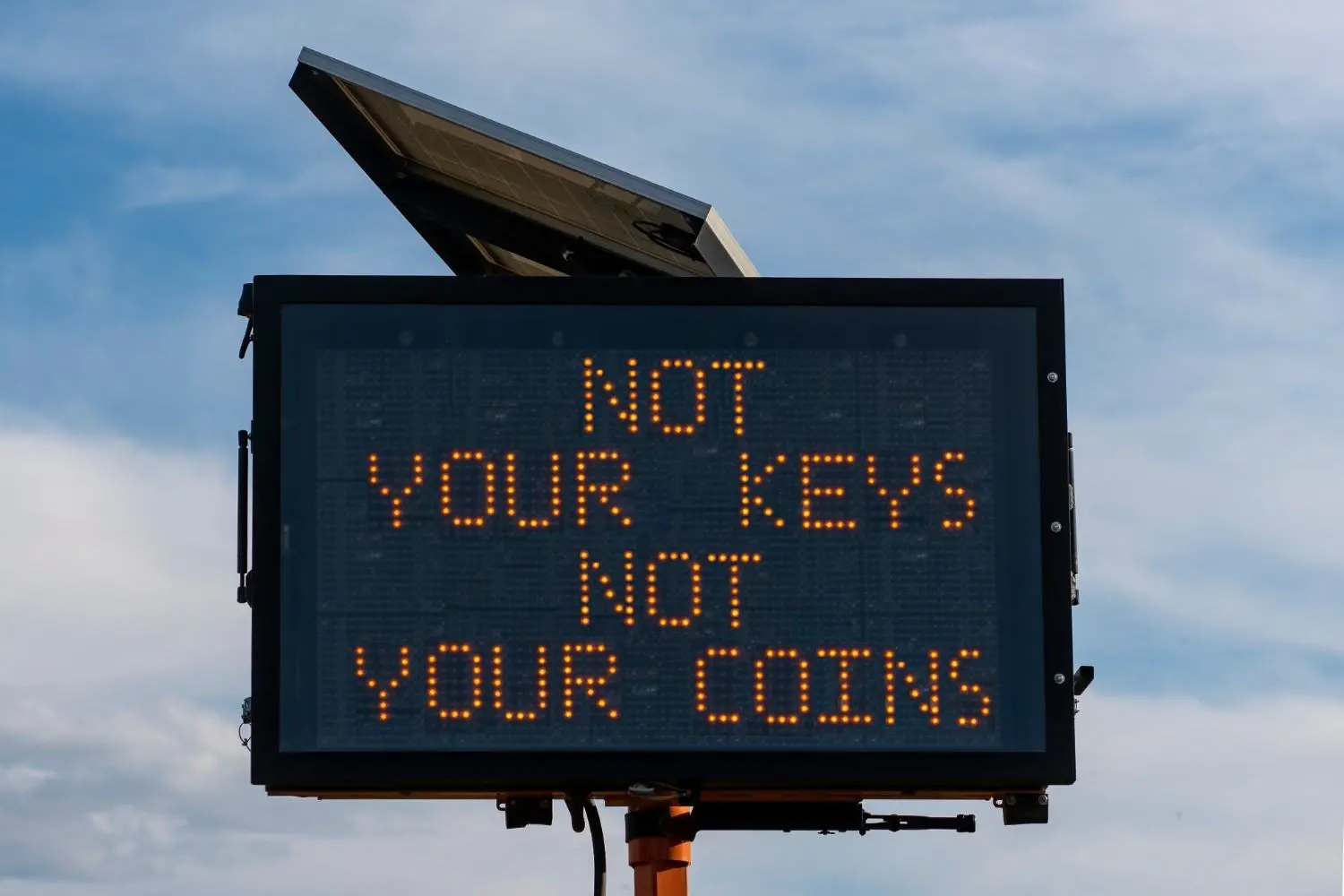
Bad regulation could make self-custody the inconvenient option rather than end it outright, TEXITcoin founder Robert Gray on Thursday said, pointing to two Washington moves two days apart in September.
Key Takeaways
- Gray said the risk is not a ban on self-custody but rules that quietly make custody by someone else the default
- He called brand reputation “probably the worst reason to trust a provider” and said real-time proof matters more
- He said holders who cannot judge the technology get pushed back toward banks and custodians
- He said there is no risk-free option, only a choice between digital and physical risk
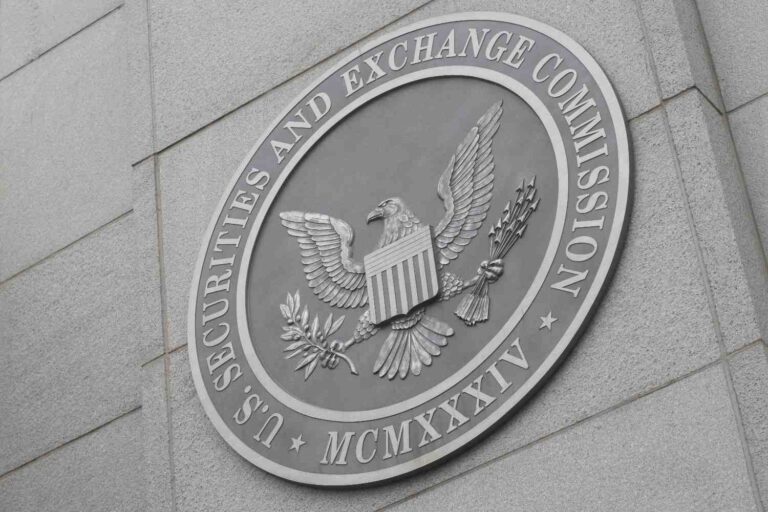
The CLARITY Act failed a Senate cloture vote on Sept. 15. Two days later the SEC gave venues trading tokenized securities a five-year conditional exemption from registering as exchanges.
The Wrapper Problem
Gray has etched private keys onto metal since 2011, and he sees the September sequence heading one way.
“The SEC clearing tokenized stocks the same week the Clarity Act died in the Senate points toward a regulated wrapper that looks like crypto and hands your keys to somebody else again,” he said.
“Regulation doesn’t have to end self-custody, but bad regulation that quietly makes custodianship the default and self-custody the inconvenient option will, and that’s the fight worth watching over the next year,” he said.
Also Read: Tokenized Stocks Soar as Coinbase and Chainlink Strike Breakthrough Deal
Brands Are The Worst Signal
Gray was blunter about how holders pick who to trust, in a year when a firmware flaw in a well-regarded hardware wallet cost owners tens of millions of dollars.
“Brand reputation is probably the worst reason to trust a provider, because it’s the one that sneaks up on you hardest, and FTX had a stellar reputation right up until it collapsed,” he said.
His worry is where that leaves ordinary holders. “Most people aren’t savvy enough to analyze the tech themselves, and that pushes them back to banks and custodians, which I think is a worse outcome than taking the risk,” he said.
What he looks for is structural. Providers who “never give themselves the chance to get away with it,” he said, because “a thief without the opportunity to steal considers himself an honest man.”
No Risk-Free Version
Gray does not claim metal solves it. A physical key “can be lost, stolen, or photographed just like anything else you own,” he said.
Gray and Blockchain Mint are among the respondents named in a Texas State Securities Board order over the marketing of crypto mining packages. He said no customer has lost a coin or a key to a product flaw. A hearing concluded in August and no ruling has been issued.
Read Next: Tokenized Deposit Moves Between HSBC and Standard Chartered, but It Is Only a Test