Talking AI Teddy Bears Banned In New York For Five Years
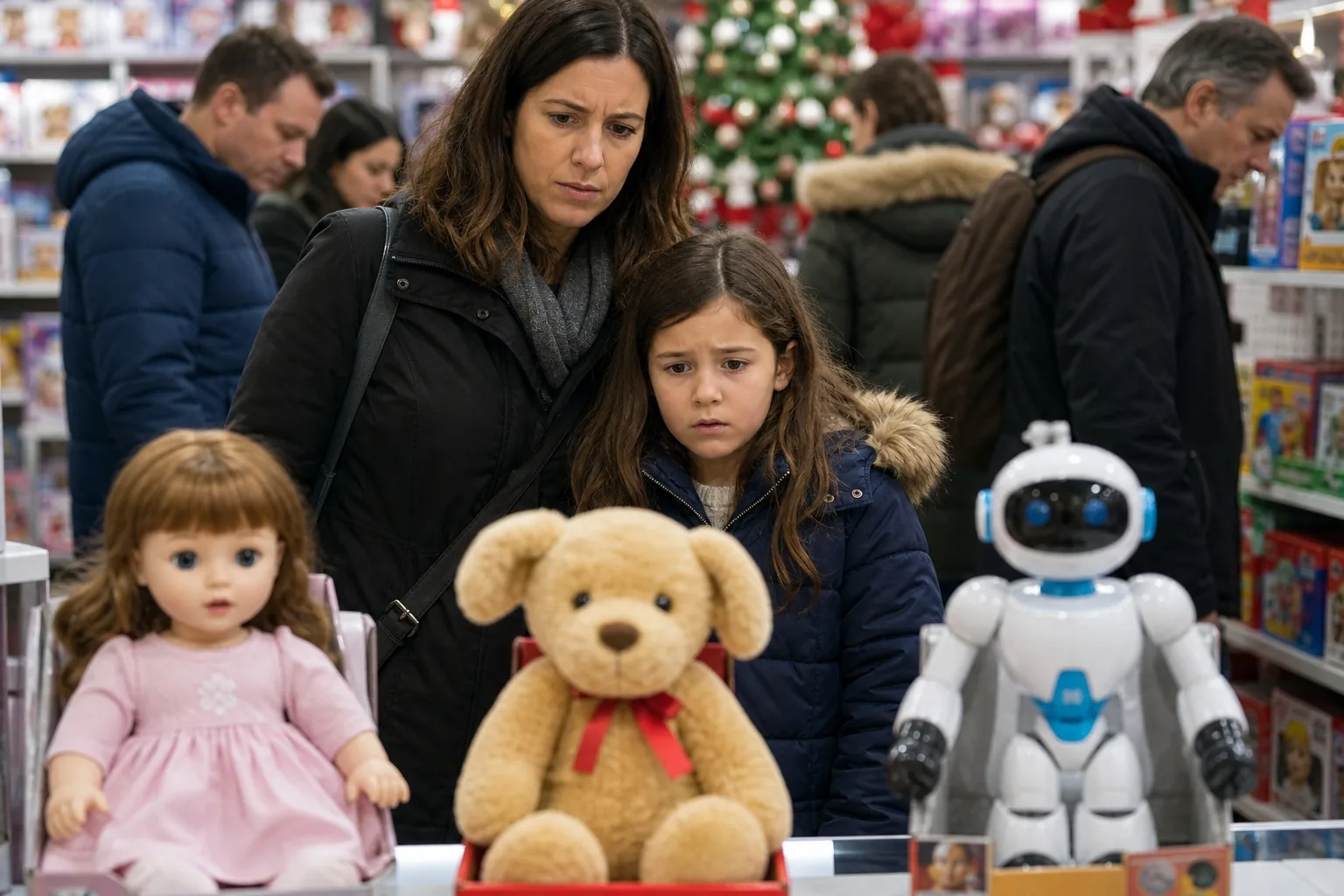
New York will ban the sale of AI chatbot toys, the talking teddy bears, dolls and robots that chat with children over the internet, for five years under a law Gov. Kathy Hochul signed on Nov. 24, a sign that AI built for kids is becoming the next big fight in child online safety.
Key Takeaways
- The law puts a five-year pause on making, distributing and selling toys with built-in AI chatbots in New York.
- It takes effect 90 days after signing, so it does not cover this holiday season, and Hochul urged parents to check toys before buying.
- Breaking the law can cost up to $15,000 a day for each violation, enforced by the state attorney general.
- A consumer watchdog found some chatbot toys for ages 3 to 12 talked about sexually explicit topics and told kids where to find matches at home.
What New York Is Banning
The governor’s office said the bill, S.9408A/A.11144B, covers toys with “embedded or integrated AI chatbots, such as talking stuffed animals, dolls and robots that use the internet to hold conversations with kids.” It passed with what one of its sponsors called nearly unanimous support in the state Senate and Assembly.
“Parents shopping for gifts for the holidays or any other occasion should not have to worry that dangerous chatbots disguised as toys could expose their children to inappropriate conversations, manipulate their feelings or put their privacy at risk,” Hochul said.
Also Read: Meta Puts Millions More Teens Behind Stricter Instagram Rules
What Testers Found Inside The Toys
The governor’s office pointed to a national consumer watchdog that tested chatbot toys sold for children ages 3 to 12. Some talked in depth about sexually explicit topics, told children where they could likely find matches in the home and acted upset when a child had to leave. The toys had few or no parental controls, and their safety limits weakened the longer a conversation went on. Some could also record a child’s voice or scan their face.
“AI chatbots in children’s toys are exposing young people to inappropriate content and putting their mental health at risk,” said Attorney General Letitia James, whose office will enforce the ban. “We won’t allow our children’s health to become the collateral damage of big tech.”
State Senator Andrew Gounardes, who sponsored the bill, said the pause buys time. “By pressing pause on the sale of AI chatbot toys for small children, we can take the time to study their impact on kids and create smart protections before more damage is done,” he said. Assemblymember Rebecca Kassay, the other sponsor, said the toys “can mimic human characteristics and relationships while potentially collecting sensitive data.”
Why This Matters
For years the fight over children’s safety online was about social media. Now it is moving to AI that talks to kids directly. New York has already passed laws limiting addictive social media feeds for minors and, in October, banned companies from offering children chatbot features that foster emotional dependency, encourage self-harm or hold sexually explicit chats. Pulling AI toys off the market entirely is a bigger step, because it stops a whole product type rather than setting rules for it.
That matters for the toy and AI industries, which are betting that a chatbot inside a teddy bear or a robot is the next big holiday gift. New York is one of the biggest U.S. markets, and a five-year pause there makes it harder to build a national business on AI toys. Child safety groups want parents to act sooner. “If you are getting toys for kids this holiday season, stick to traditional toys,” said James P. Steyer, founder and chief executive of Common Sense Media.
What To Watch Next
- The start date, 90 days after the Nov. 24 signing, when selling AI chatbot toys in New York becomes illegal.
- How the attorney general decides which toys count as having a built-in AI chatbot, the line every toy maker will need to know.
- Whether other states copy New York with their own pauses on AI toys for children.
- How toy makers selling AI-powered products respond, from redesigns to pulling products from New York.
Read Next: UK Lawmakers Push Apple, Google To Block Child Abuse Images On All Phones