Russia’s Crypto Approval Locks in Bitcoin and Ethereum, and One Stablecoin
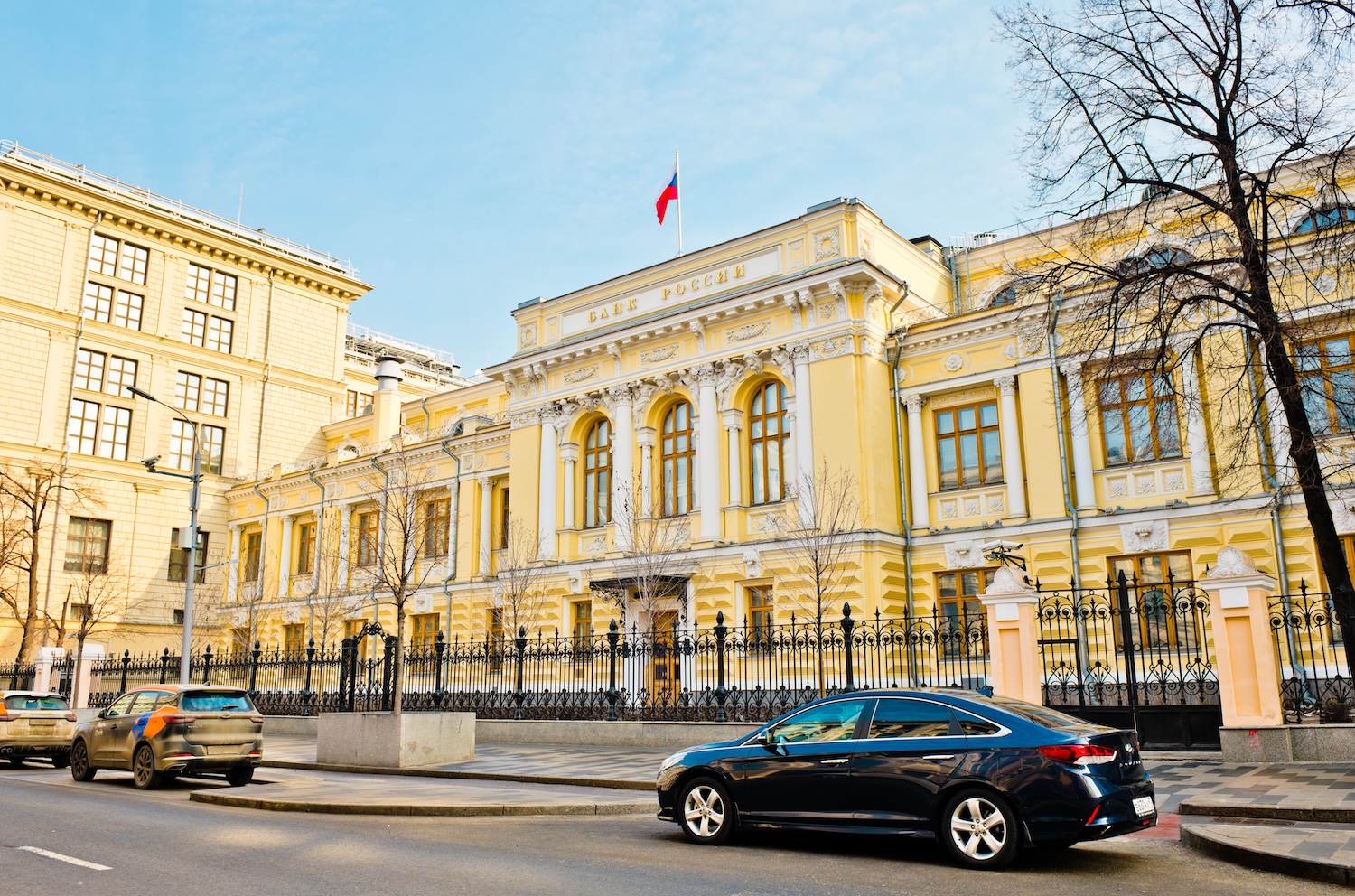
Russia’s central bank has approved Bitcoin (BTC), Ethereum (ETH), and Tether (USDT) for retail trading on licensed domestic exchanges. The decision landed on August 11.
Everything else stayed out — including XRP (XRP).
It’s the first formal list of permitted assets under Russia’s licensed exchange regime.
Key Takeaways
- Russia’s central bank approved Bitcoin, Ethereum, and Tether for retail trading on licensed domestic exchanges on August 11
- XRP, which ranks sixth by market capitalization, was excluded from the approved list
- The 2024 Digital Financial Assets law created the legal framework for a licensed exchange market in Russia
- USDT qualified for approval as the dominant dollar-pegged stablecoin used heavily in cross-border commerce
Bitcoin and Ethereum cleared a liquidity threshold the central bank set as the entry bar.
XRP did not. The ruling marks the most significant step in Russia’s regulated cryptocurrency market since it began drafting the framework in 2024.
Russia’s central bank built its approved list around a single criterion: whether a cryptocurrency trades with sufficient depth and volume on global markets to be considered liquid enough for retail exposure.
Bitcoin and Ethereum met that bar without question, ranking first and second globally by market capitalization.
Tether’s USDT qualified separately as the dominant dollar-pegged stablecoin, a cryptocurrency designed to maintain a fixed $1.00 value against the U.S. dollar, used heavily in cross-border commerce that Russian businesses and individuals have relied on since international banking sanctions tightened after 2022. The central bank has not published a review schedule, but the framework is now operational.
For the primary source details on the August 11 determination, see the Bank of Russia’s official regulatory communications.
XRP, which ranks sixth by market capitalization, failed to make the list. The central bank has not published a detailed rationale for the exclusion, but the outcome is consistent with regulatory hesitancy toward assets whose issuers face or have faced securities-law scrutiny in other jurisdictions. Ripple Labs, the company behind XRP, spent years litigating with the U.S.
Securities and Exchange Commission before reaching a partial settlement. That legal history has made overseas regulators cautious, even where domestic securities law does not apply.
Also Read: Bitcoin and Ether Soar Past Struggling XRP in 5-Week Surge
How Russia’s Licensed Exchange Regime Actually Works for Bitcoin and Ethereum
The approved list functions as a prerequisite, not a guarantee.
Russian exchanges must first obtain a license under the framework the State Duma passed in 2024, which created a formal legal category for cryptocurrency trading platforms operating inside Russia. Once licensed, an exchange may offer retail clients only the assets on the central bank’s approved whitelist.
That two-layer structure, license first, asset approval second, mirrors the approach taken by regulators in the European Union under the Markets in Crypto-Assets framework and by the Monetary Authority of Singapore. The design gives regulators ongoing control: they can add or remove assets from the whitelist without requiring new legislation.
In practice, that means named exchange operators seeking a license now face a concrete operational problem: they must demonstrate compliance with both the licensing tier and the asset-restriction tier before any retail offering can proceed.
Bitcoin and Ethereum are entrenched under this structure, while XRP and any future applicant must clear the liquidity bar each time the list is reviewed. The central bank has published no timeline for when that review will next occur, leaving XRP’s path to inclusion formally open but procedurally undefined.
Cross-border transactions are treated separately from retail trading.
Russia’s framework permits Bitcoin and Ethereum, alongside USDT, for international settlement, a channel that state-linked entities and exporters have used to move value around dollar-based correspondent banking. The approval of USDT for this purpose is particularly significant: it gives Russian counterparties a dollar-denominated unit of account that does not require access to the SWIFT network or a U.S. correspondent bank.
Also Read: Claude Makes a Breakthrough on a 165-Year-Old Math Mystery
How Russia Arrived at This Framework
Russia’s approach to cryptocurrency has shifted sharply over the past four years.
The central bank pushed for an outright ban in early 2022, arguing that digital assets threatened monetary sovereignty and enabled capital flight. The Finance Ministry resisted, and the invasion of Ukraine in February 2022 changed the calculation entirely: with sweeping Western sanctions cutting off dollar and euro access, cryptocurrency became a practical tool for preserving international trade flows.
The 2024 Digital Financial Assets law created the legal scaffolding for a licensed exchange market, but it left the question of which assets would be permitted to a later regulatory determination.
The August 11 announcement fills that gap. Russia now has a functioning, if narrow, legal retail cryptocurrency market for the first time.
The three-asset list reflects the central bank’s conservative instinct: it approved Bitcoin and Ethereum, the two assets no serious regulator can credibly ignore, and the one stablecoin that is practically unavoidable in the dollar-shadow economy that sanctions have created.
What The XRP Exclusion and the Bitcoin and Ethereum Dominance Mean Going Forward
The immediate consequence for XRP holders in Russia is a clear one: the token cannot be traded on any licensed domestic exchange under the current rules. Russians who hold XRP may still transact peer-to-peer or through offshore platforms, but licensed, regulated access is closed.
Whether Ripple or Russian exchange operators petition for a future inclusion is unknown. The central bank has not published a review schedule.
For the broader market, the ruling confirms a pattern that regulators in multiple jurisdictions are converging on: a small set of highly liquid, institutionally recognized assets receive formal legal status, while the rest of the market remains in a gray zone.
That concentration of regulatory legitimacy into Bitcoin and Ethereum reinforces the structural advantage those two networks already hold. Every jurisdiction that publishes a whitelist and places Bitcoin and Ethereum at the top makes it marginally harder for any other asset to displace them at the institutional level.
The USDT approval carries its own implication.
It signals that Russian regulators are willing to accept dollar-denominated stablecoins as part of their sanctioned economy’s plumbing, a pragmatic concession to the reality that dollar demand does not disappear when dollar-clearing access does.
Read Next: All Claude Output Now Embeds Breakthrough Watermarks Globally