MoneyGram Calls In AI To Catch Fake IDs As Deepfakes Get Cheap
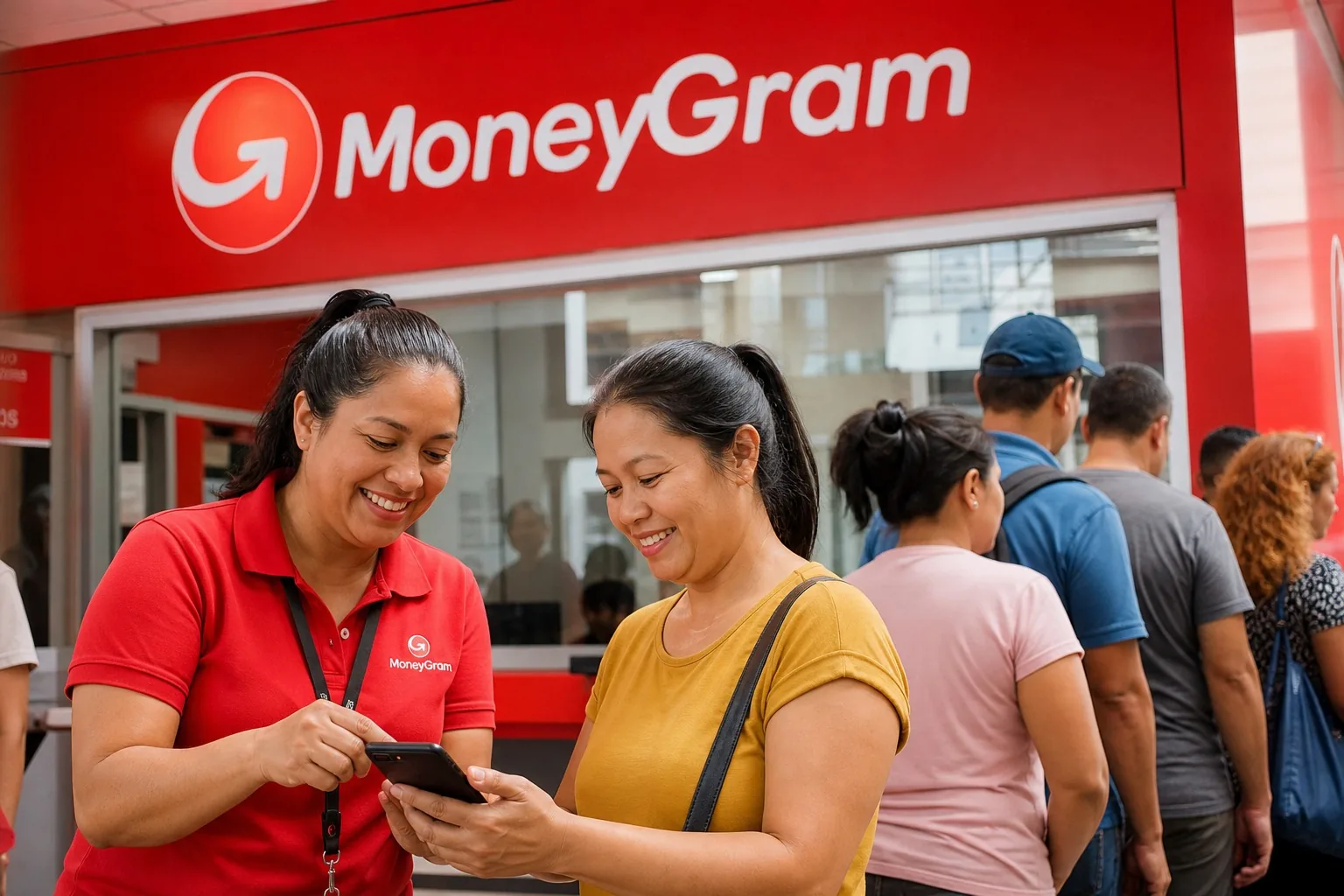
MoneyGram, which moves money for more than 60 million people, has picked AI startup AiPrise to check customers and data across its network, as fake IDs become cheap and easy to make.
Key Takeaways
- MoneyGram will use AiPrise to run some of its verification checks through one platform
- AiPrise draws on more than 100 data sources worldwide and covers 200+ countries
- MoneyGram serves 60 million active customers through nearly half a million retail locations
- Both CEOs told Fathom the real fight is fake IDs and messy rules from country to country
MoneyGram Picks AiPrise For Fraud Checks
The two companies announced the deal on Wednesday. MoneyGram will use AiPrise for compliance and fraud prevention, starting with select verification processes in some of its markets.
The aim is to give MoneyGram’s teams one consistent way to review information and record how each verification decision was made. MoneyGram operates in more than 200 countries and territories and is rebuilding much of the technology behind its network.
Fake IDs Now Take Seconds To Make
Chaitanya Sarda, CEO of AiPrise, told fathom.news that checking a document photo is no longer enough on its own.
“Generative AI can fake a passport or selfie in seconds, so any check that asks ‘does this image look real?’ is losing.”
He said the fix is to check people against sources fraudsters cannot fake, such as government registries, cross-checked data and warning signs like the same face showing up on unrelated accounts. Over time, he expects verified identities to become reusable, so customers stop uploading documents again and again.
Who Pays When An AI Lets A Crook Through
Sarda said regulators care whether a decision can be explained, not whether a person or a machine made it. He argued AI agents can clear that bar more easily than manual review because they log every source checked.
“Liability doesn’t change: the regulated institution owns its decisions, and vendors are accountable for building accurate, auditable systems.”
He expects supervisors to focus on how these AI agents are tested, monitored and overridden by humans.
Tighter Checks Without Locking Out Migrants
Many people who send money home have no credit history, informal addresses or few documents. Sarda said the answer is not to relax the rules.
“Don’t lower the bar. Widen what counts as evidence.”
He said checking local registries in both the sending and receiving country solves much of the problem, while small transfers can move with lighter checks under a risk-based system.
Stablecoins Move Fast But Leave A Trail
MoneyGram already supports stablecoin transfers. Sarda said the compliance basics for stablecoins are the same as for regular money, but the payments settle in seconds without banks screening them along the way. The upside is that the public ledger makes the money traceable.
Also Read: Crypto Firm ONDO Floods Robinhood Chain With 15 Stock And Fund Tokens
He named self-custody wallets, patchy enforcement of the Travel Rule and the businesses that convert crypto to cash as the biggest gaps today.
MoneyGram CEO Says Cash Still Matters
Apps like Wise and Remitly have pushed remittance fees down for years. MoneyGram CEO Anthony Soohoo told fathom.news he does not see its shops and its apps as rival networks.
“As money becomes more digital, access to the physical world becomes more valuable, not less.”
He said MoneyGram links digital wallets, bank accounts, cards and stablecoins to its retail locations, and is cutting costs through smarter routing and newer rails such as blockchain. In his view, digital money still needs a last mile, and MoneyGram is one of the few networks that has one.
The Real Risk Is A Patchwork Of Rules
Asked which regulatory change worries him most, Soohoo pointed to fragmentation rather than regulation itself. Cross-border payment firms already deal with hundreds of different rulebooks.
“The challenge is not really regulation. It’s more about fragmentation, but I think good regulation creates trust and common rules.”
He cited the US Genius Act, which sets rules for stablecoin reserves, redemption and supervision, as the kind of clear framework that gives MoneyGram confidence to move ahead. Where rules stay unclear, he said, companies tend to hold back.
A Crowded Market For ID Checks
Dozens of vendors now sell similar verification tools. Sarda said simple data lookups have become a commodity, but reliable onboarding decisions across 200+ countries have not. He expects single-country and single-check tools to get squeezed out as the market consolidates.
AiPrise is a Santa Clara, California, startup backed by Y Combinator. It offers business checks, identity checks, anti-money laundering screening and document verification through a single API, and counts payment firms, neobanks, marketplaces and crypto platforms among its customers.
Read Next: Invesco Hands Advisers 2 Claude Tools To Build Portfolios Faster