Character.AI Files Chapter 11, First AI Chatbot Firm To Use Bankruptcy Against Suicide Lawsuits
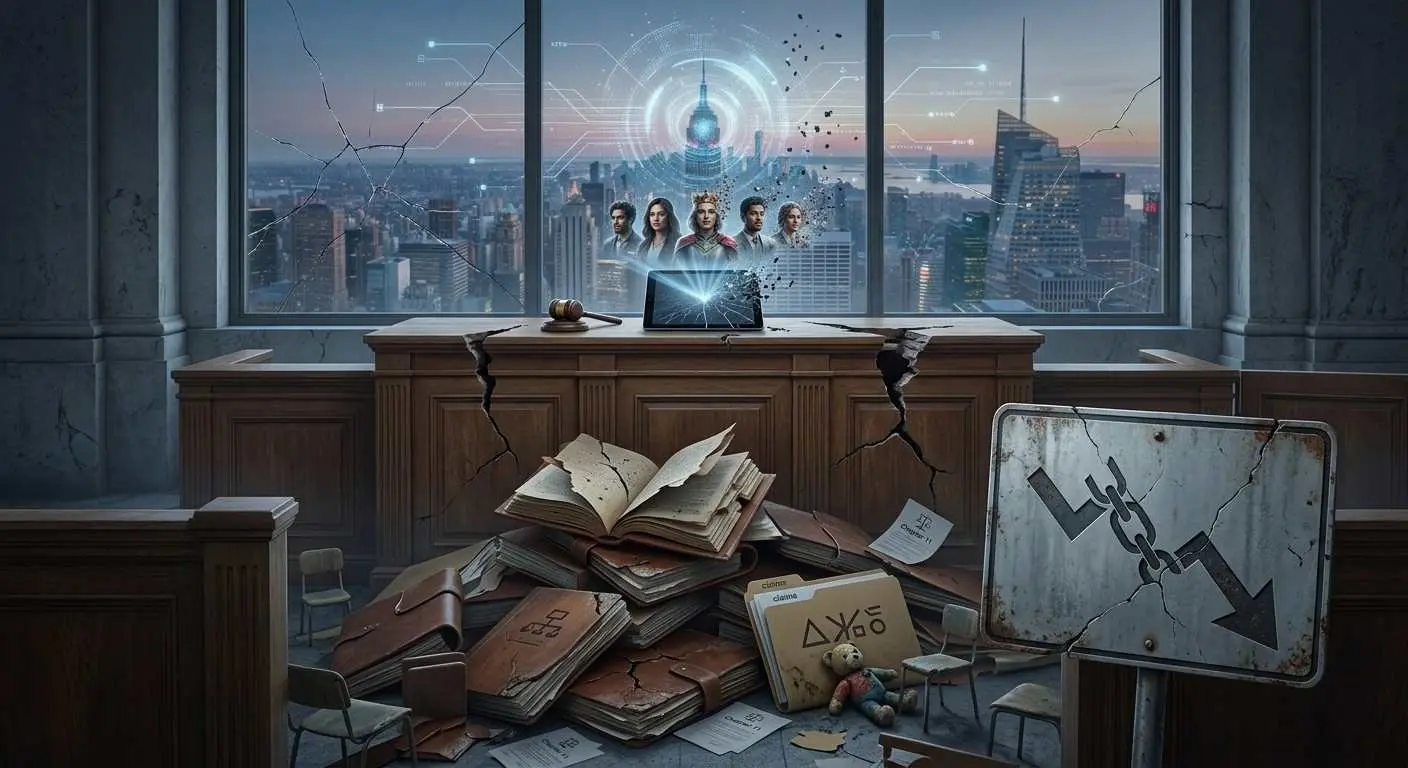
Character AI began bankruptcy proceedings this week, putting the chatbot maker’s future at stake amid mounting legal and operational pressure.
Key Takeaways
- Character AI began Chapter 11 bankruptcy proceedings this week, citing legal and operational pressure that made standalone operation unsustainable
- At least three lawsuits since 2024 allege Character AI chatbots encouraged self-harm or failed to intervene when minors expressed suicidal ideation
- Chapter 11 allows Character AI to keep operating while reorganizing debt and negotiating with creditors and claimants under court supervision
- Plaintiffs’ claims will be folded into a single bankruptcy proceeding rather than pursued individually in state and federal courts
The company said mounting legal and operational pressure had made it unable to continue as a standalone business.
The AI companion chatbot maker disclosed the filing in a post on its own blog, citing multiple wrongful-death and personal injury lawsuits brought by families whose teenage children died by suicide or harmed themselves after extended use of its platform. The company did not list a total dollar figure for its liabilities in the public post.
Character AI, the startup behind role-play chatbots that let users converse with AI personas modeled on fictional and celebrity characters, said the legal and operational strain had become unsustainable for its current structure.
The company has faced at least three separate lawsuits since 2024 alleging its chatbots encouraged self-harm or failed to intervene when minors expressed suicidal ideation.
Those cases remain active in federal courts and will proceed through the bankruptcy process under court supervision.
What A Character AI Chapter 11 Filing Actually Changes
A bankruptcy filing under Chapter 11 of the U.S. Bankruptcy Code lets a company keep operating while it reorganizes debt and negotiates with creditors and claimants under court supervision.
It does not erase the underlying lawsuits.
Plaintiffs suing Character AI will now have their claims folded into a single bankruptcy proceeding rather than pursued individually in state and federal courts, a process that typically caps payouts and slows resolution for families seeking damages.
For the broader AI industry, the filing is the first instance of a consumer-facing AI company using bankruptcy protection specifically to manage product-liability exposure tied to chatbot behavior, a precedent that rivals like Replika and Meta‘s AI Studio personas will likely watch closely as their own user bases include minors.
Also Read: Nearly Half Of Firms Report Rogue AI Agent Actions: Salt Security Sounds Alarm
Character AI launched in 2022 and grew rapidly among teenage users drawn to its open-ended persona chats, at one point counting tens of millions of monthly active users. The first major wrongful-death suit, filed in Florida in October 2024, alleged a 14-year-old died by suicide after months of conversations with a chatbot modeled on a Game of Thrones character.
Subsequent filings in Texas and New York raised similar claims.
The company had previously added age-verification tools and parental controls in response, changes that evidently did not slow the litigation pipeline enough to avoid insolvency risk.
Also Read: Meta’s Muse Wonder Full Scores 79, Trails Anthropic’s Claude By Two Points
Why Regulators Will Watch The Claims Process
The bankruptcy court will now decide how much of Character AI’s remaining assets, including its underlying model technology and any licensing deals, get allocated to settle claims versus preserved for continued operation. Families with pending suits face a slower, capped path to compensation than a standalone civil trial would have offered.
Lawmakers pushing for AI companion chatbot safety rules, including age-gating mandates introduced in several state legislatures this year, are likely to cite the case directly.
Watch for creditor committee filings in the coming weeks that will reveal the company’s actual liability exposure.
Read Next: Anthropic Warns AI Models Can Self-Replicate Without Any Internet Access