Menlo Ventures Pours $30M Into Nectar MCP To Feed Live Data To ChatGPT, Claude
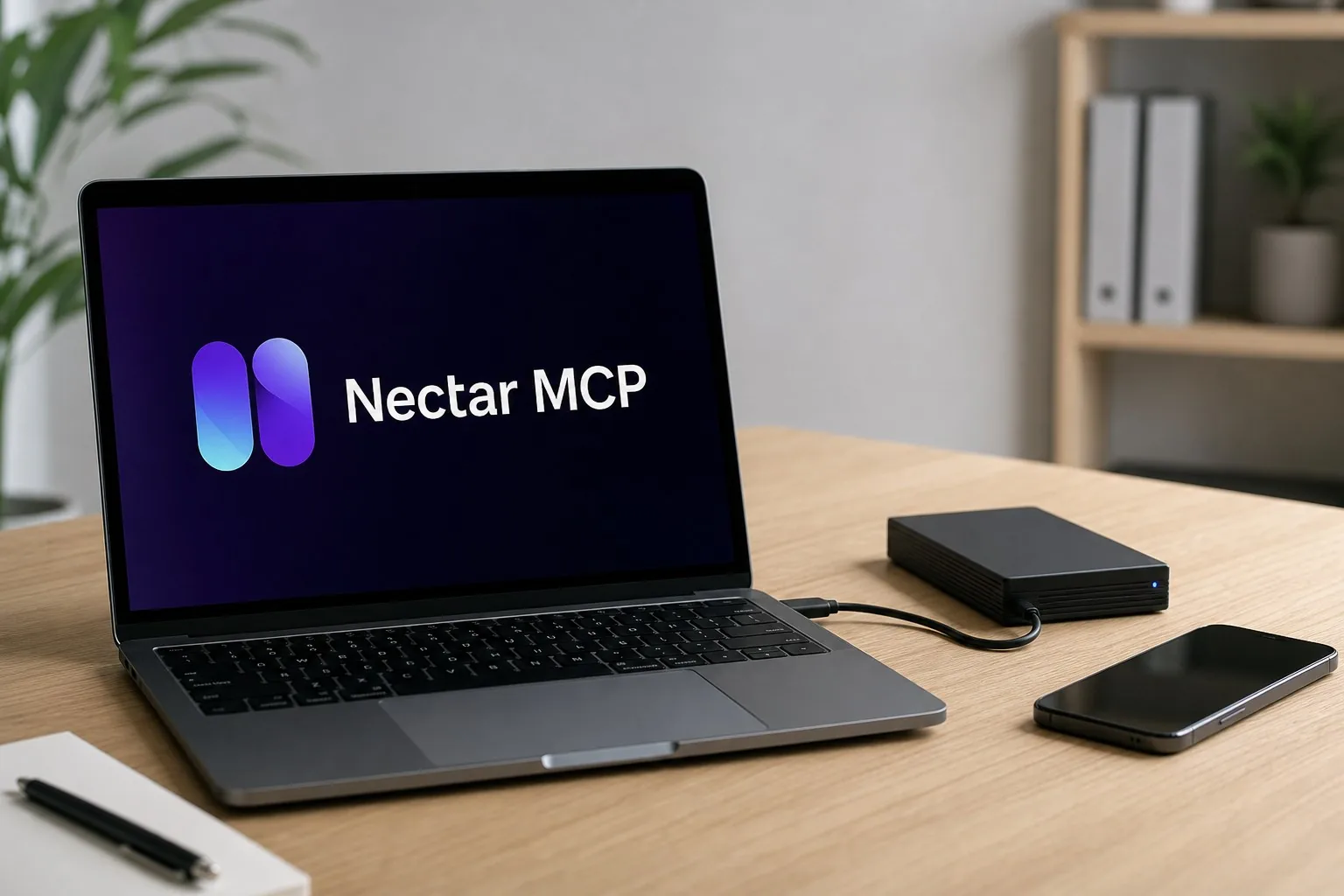
Nectar MCP closed a $30 million Series A on Friday, led by Menlo Ventures, to fund its effort to pipe consumer and creator data directly into major AI chat assistants.
Key Takeaways
- Nectar MCP closed a $30 million Series A led by Menlo Ventures to connect consumer and creator data with AI chat assistants
- The funding round included the Anthology Fund, True Ventures and GV, according to a company release
- Nectar uses the Model Context Protocol to let AI chat tools pull live, structured data from outside systems
- Nectar MCP has not disclosed customer names or revenue figures
The round included the Anthology Fund, Menlo’s joint venture with Anthropic, alongside True Ventures and GV, according to a release the company issued.
Nectar builds on the Model Context Protocol, an open standard that lets AI chat tools pull live, structured data from outside systems rather than relying only on what a model learned during training. The protocol is intended to replace custom connectors with one format that ChatGPT, Claude, Gemini and Copilot can read.
Why Consumer Data Needs A New Pipe
AI assistants answering questions about products, creators or brands have historically relied on stale web indexes or paid licensing deals.
Nectar’s pitch is that creators and consumer brands can expose their own data through an MCP server, allowing an AI agent to query current pricing, inventory or content details in real time rather than guessing from old training data.
For independent builders, the practical appeal is protocol support, not the funding headline. An MCP server can provide one interface for assistants that support the standard.
The harder question is distribution, whether platforms expose third-party servers prominently enough for those interfaces to become durable.
MCP emerged as multiple AI labs confronted connector fatigue, where every app needed bespoke integrations for every model. Anthropic published the open specification in late 2024, and rival labs including OpenAI and Google later adopted it, turning what began as one lab’s tool into a shared industry standard.
Also Read: MetaMask’s Agent Wallet Lets AI Bots Trade On Aave: Kulechov Confirms Rollout
What Nectar MCP Still Has To Prove
Nectar MCP has not disclosed customer names or revenue figures.
Its test is not simply whether builders can run MCP servers, but whether Anthropic, OpenAI and Google surface third-party servers inside their assistants by default, since those platforms control the user-facing access.
Read Next: Samsung Locks 80% Of 2027 Chip Supply As AI Memory Demand Soars