Britain Pays Billions To Waste Wind Power, Bitcoin Miners Want It
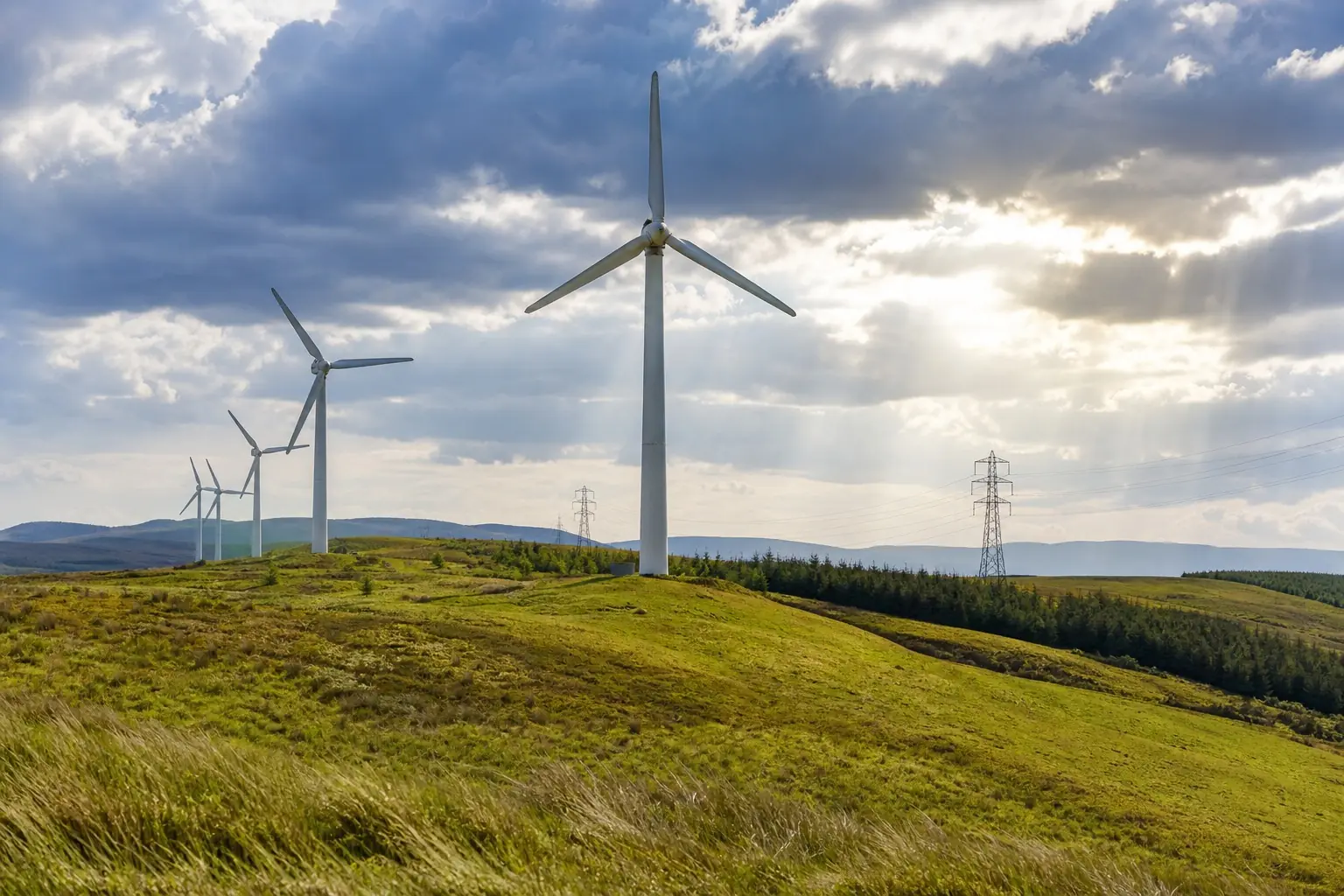
Britain is paying record sums to switch off Scottish wind farms and fire up gas plants instead, and Bitcoin backers now say miners should soak up that wasted power.
Key Takeaways
- Grid constraint costs hit £1.78B in a year, up from about £0.5B before 2020, according to a House of Commons committee
- September 2026 set a monthly record of £404.3M for wind-related constraint costs, with £30M paid out on Sept. 30 alone
- About 8.8 TWh of wind power was curtailed in northern Scotland in 2025, and 96% of Britain’s curtailed renewable power was in Scotland
- A Bitcoin Policy Institute report argues miners could use that power, but the committee never mentioned Bitcoin and pointed to AI data centers and storage instead
The House of Commons Scottish Affairs Committee laid out the problem in a May 21 report. It described “the perverse outcome of Scottish windfarms being switched off,” sometimes more often than they generate, and put constraint costs at £1.78 billion over the year, roughly 70% of the cost of balancing Britain’s grid.
Also Read: Drax Power Station Could Become A £20bn AI Data Center Hub
Why Britain Pays Wind Farms To Stop
Most of Britain’s wind farms are in Scotland, but most of the demand is in England. The cables running south cannot carry all the power on windy days. When the lines are full, the grid operator pays Scottish wind farms to cut output and pays power plants further south, mostly gas, to fire up and fill the gap. Both sides of that trade end up on household bills.
The committee said 96% of all the renewable power Britain curtailed in 2025 was in Scotland. It said the Seagreen offshore wind farm was reportedly paid to switch off about 65% of the time it was due to generate that year.
The Bill Keeps Breaking Records
Octopus Energy said on Oct. 5 that Britain’s wasted wind bill for 2026 had already passed £1.5 billion, beating all of 2025’s £1.47 billion with three months still to go. That figure covers both switching wind farms off and turning gas plants on.
September was the worst month on record at £404.3 million, and Sept. 30 cost £30 million in a single day. “We’ve already blown past last year’s entire bill, and customers are paying every pound of that waste. It’s madness,” said Octopus founder and CEO Greg Jackson. Octopus said the grid operator NESO forecasts £3.2 billion in constraint costs for the year to July 2027.
Posts on X this weekend said Britain pays “£1.78 billion to switch off wind farms.” That is not quite right. The £1.78 billion is the total constraint bill, and much of it goes to the gas and other plants that are paid to switch on elsewhere, not to the wind farms that switch off.
Energy analytics firm Montel put direct payments to curtail renewables in Great Britain at £363 million in 2025, down 10% from the year before, while 8.8 TWh of wind was curtailed in northern Scotland alone. The 8.8 TWh figure is for 2025, not this year.
The Bitcoin Pitch
The Bitcoin Policy Institute, a pro-Bitcoin think tank, released a report last week titled “Britain’s Biggest Opportunity.” Written by BPI executive director Conner Brown and Joey Garcia of Xapo Bank, it argues that Bitcoin miners could be built next to the stuck wind power in Scotland and switched off whenever the grid needs it.
The case rests on flexibility. Mining machines can power down in seconds without losing anything but income, so they can act like a sponge that only soaks up power nobody else can use. The report also says the constraint bill is not the same as the savings miners would deliver, which would depend on each project.
What Parliament Wants Instead
The Scottish Affairs Committee’s report does not mention Bitcoin or crypto mining at all. Its recommendation asks the government how it will use limited grid capacity in Scotland for “long-duration battery storage, AI data centres and other high-use energy industries.” In other words, the people writing UK policy see the same wasted power and are thinking about AI, not Bitcoin.
The Bottom Line
The waste is real and growing, and it is costing households more every year. Putting flexible demand in Scotland, whether miners, batteries or data centers, could cut some of it, and new cables south would cut more. But the bill is smaller than the viral £1.78 billion “switch-off” figure suggests, and for now Bitcoin miners are a lobby group’s idea, not a plan the government has backed.